Introduction
Wan 2.2 Text to video generates a clip from a written prompt alone. Each request returns one silent five-second video in 16:9 or 9:16, rendered at 480p or 720p. The prompt can run to 5,000 characters and is the only required field: the aspect ratio defaults to 16:9, the resolution to 480p, and prompt expansion stays off unless you switch it on.
Choose a Wan 2.2 mode by starting material
| What you have at the start | Mode | What the request needs |
|---|---|---|
| a written scene or script | Wan 2.2 Text to video | a prompt; 16:9 or 9:16 |
| a still you want to keep | Wan 2.2 Image to video | an image and a prompt; the frame sets the shape |
Key features & highlights
A fixed five-second take
Text to video has no duration setting: every take is exactly five seconds, so the length of a request is known before you send it. Five seconds holds one beat (a subject, one action and one camera move) rather than a sequence of events, and prompts work best when they are written to that size.
Two shapes and two resolutions
The aspect ratio is 16:9 by default or 9:16 for vertical delivery. Square and 4:3 frames are not offered, so render at 16:9 and crop in the edit when a square cut is needed. Resolution is 480p or 720p, and it is the only setting that changes the price, which makes 480p the natural drafting tier.
Picture only
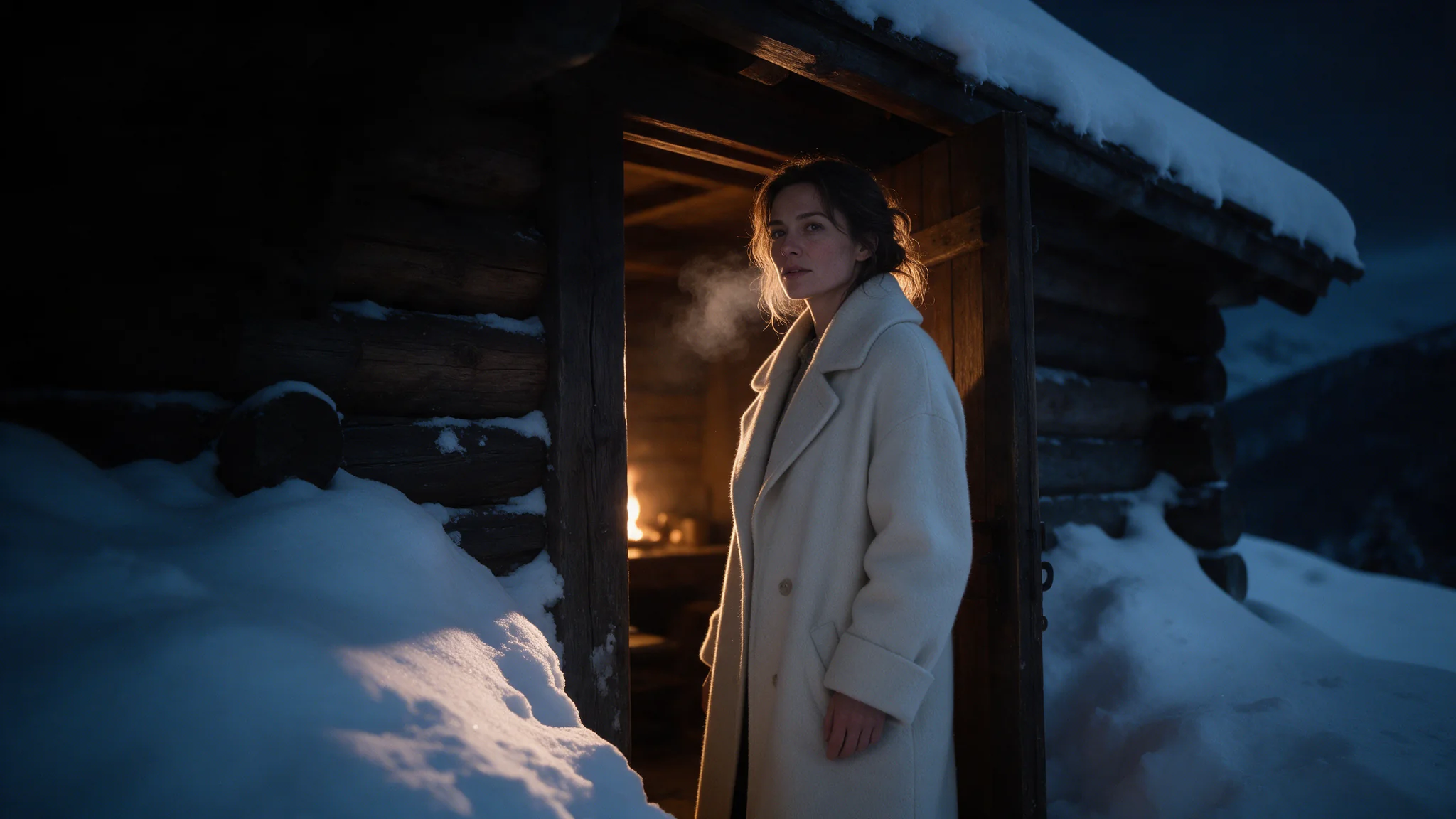
Clips come back without an audio track and there is no audio control. Anything the viewer should feel has to be visible: the published snow-platform example builds its rhythm from falling snow, breath clouding in the cold and a flickering platform lamp instead of relying on ambience.
Optional prompt expansion and seed
Prompt expansion rewrites a short brief into a fuller one before generation. The seed accepts 0 to 2147483647 and keeps the random source fixed so you can compare one change at a time; it does not promise a frame-identical clip on a second run.
Request parameters
| Parameter | Required | Description |
|---|---|---|
prompt | Yes | The shot itself, up to 5,000 characters: who, one action, one camera move, then light. A clear verb moves the result more than a stack of adjectives. at least 1 characters · at most 5000 characters |
aspect_ratio | No | 16:9 or 9:16, default 16:9. There is no square or 4:3 option on this endpoint. |
resolution | No | 480p or 720p, default 480p. It is the only setting that changes the price. |
enable_prompt_expansion | No | Off by default. When on, a short brief is rewritten into a fuller one before generation; leave it off once your prompt is a precise shot description. Default: |
seed | No | 0 to 2147483647. Hold it while comparing one change at a time; leave it out for variety. |
Pricing
Each request returns one five-second clip.
| Specification | Price |
|---|---|
| $0.24 / request |
| $0.48 / request |
Use cases
Storyboard drafts in bulk
Write each storyboard beat as its own prompt and render the whole list at 480p. Five seconds is enough to judge framing and movement, and because every request has the same length and a price set only by resolution, the cost of a batch is known before it is submitted. Rerender the takes you keep at 720p with the same prompt and seed.
Vertical clips for social feeds
Set the aspect ratio to 9:16 and describe one continuous action. The published night-market example does exactly that at 720p: a young woman in a yellow raincoat takes a skewer from a grill stall, smoke and steam rise through strings of bulbs, and she turns to walk toward the camera while it makes a slow handheld push-in.
Checking whether a shot idea moves
Before committing to a 720p take, test the idea cheaply. The lighthouse-stairs example is written as one action and one camera position, an older man with a lantern climbing the last turn of a spiral staircase while a low camera follows, and rendered in 16:9 at 480p.
Prompt guide & pro tips
Write one beat in a fixed order
Name the subject, the single action, one camera move and then the light. A clear verb moves the result more than a stack of adjectives: a man who climbs the last turn of a staircase and stops at a window gives the clip a start and an end inside five seconds.
Spend the character limit on detail, not on extra scenes
The 5,000-character limit leaves room for wardrobe, set, weather and light, but five seconds will not carry a second event. When a brief contains several events, split them into separate requests and cut them together in the edit.
Hold the seed while you revise
Pick a seed and keep it while you change one thing, such as a verb, the camera move or the aspect ratio. The night-market example fixes seed 250728 so that the same framing can be compared across prompt edits. Leave the seed out when you want variety instead.
Decide on prompt expansion early
For a one-line idea, switching prompt expansion on lets the service write a fuller brief for you. Once the prompt already names subject, action, camera and light, leave it off so the text runs as written, and judge any expanded run against one without it.
Know when text is not enough
A prompt alone will not hold a specific face or product steady from one run to the next. When the subject has to match an approved still, switch to Wan 2.2 Image to video and let the frame carry the appearance.
API quick start
# Generate the idempotency key once; reuse it when retrying after a lost response.
export SPICY_IDEMPOTENCY_KEY="${SPICY_IDEMPOTENCY_KEY:-$(uuidgen)}"
curl -X POST https://api.spicyapi.ai/api/v1/jobs/createTask \
  -H "Authorization: Bearer $SPICY_API_KEY" \
  -H "Content-Type: application/json" \
  -H "Idempotency-Key: $SPICY_IDEMPOTENCY_KEY" \
  -d '{
  "model": "alibaba/wan-2.2/text-to-video",
  "input": {
    "prompt": "A slow aerial shot drifting over a misty pine forest at sunrise",
    "resolution": "480p",
    "aspect_ratio": "16:9"
  }
}'

# Copy data.taskId from the response into TASK_ID, then poll the status.
TASK_ID="TASK_ID_FROM_RESPONSE"
curl "https://api.spicyapi.ai/api/v1/jobs/recordInfo?taskId=$TASK_ID" \
  -H "Authorization: Bearer $SPICY_API_KEY"
See the API reference for authentication, the complete schema, polling, and error handling.