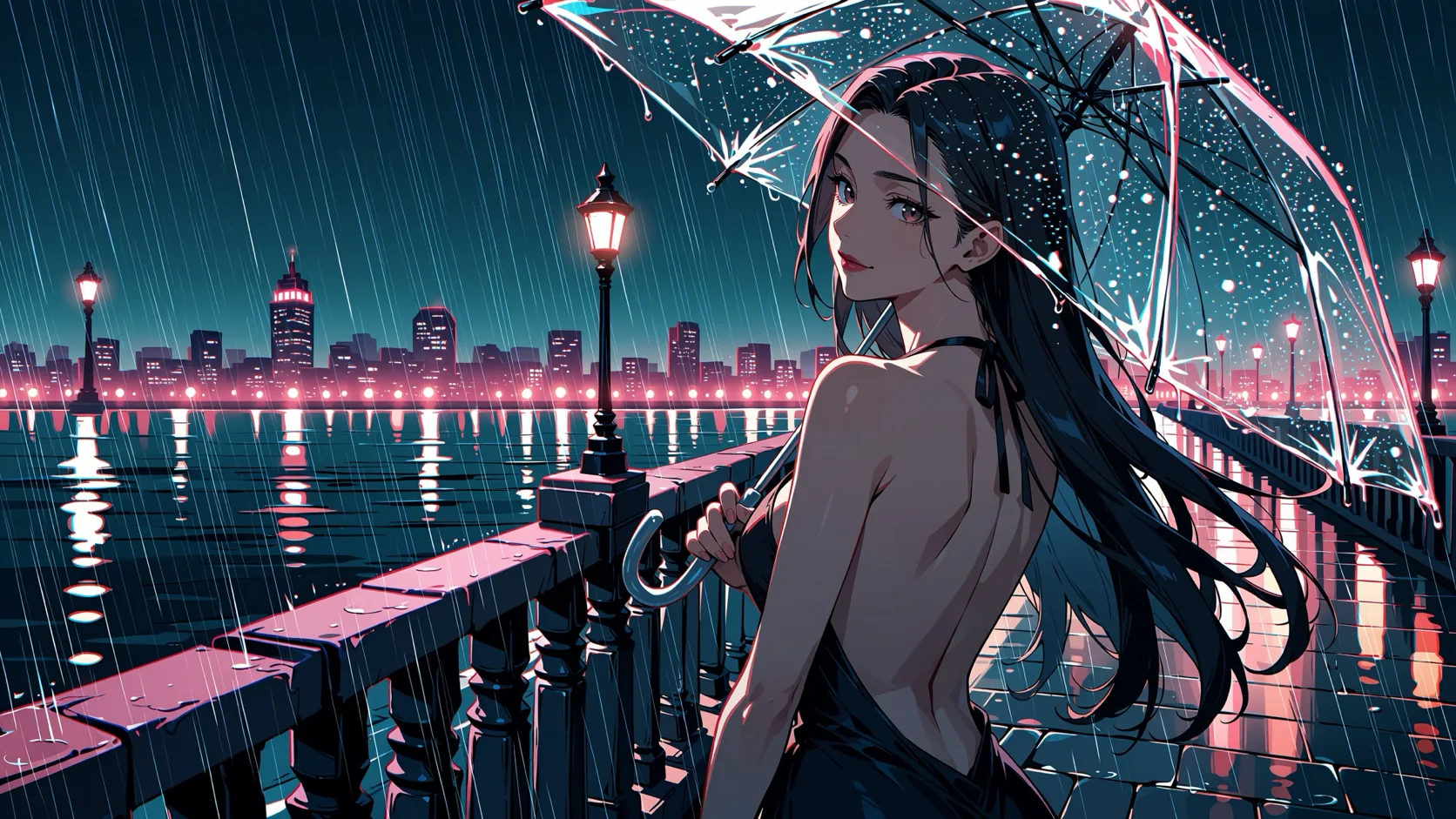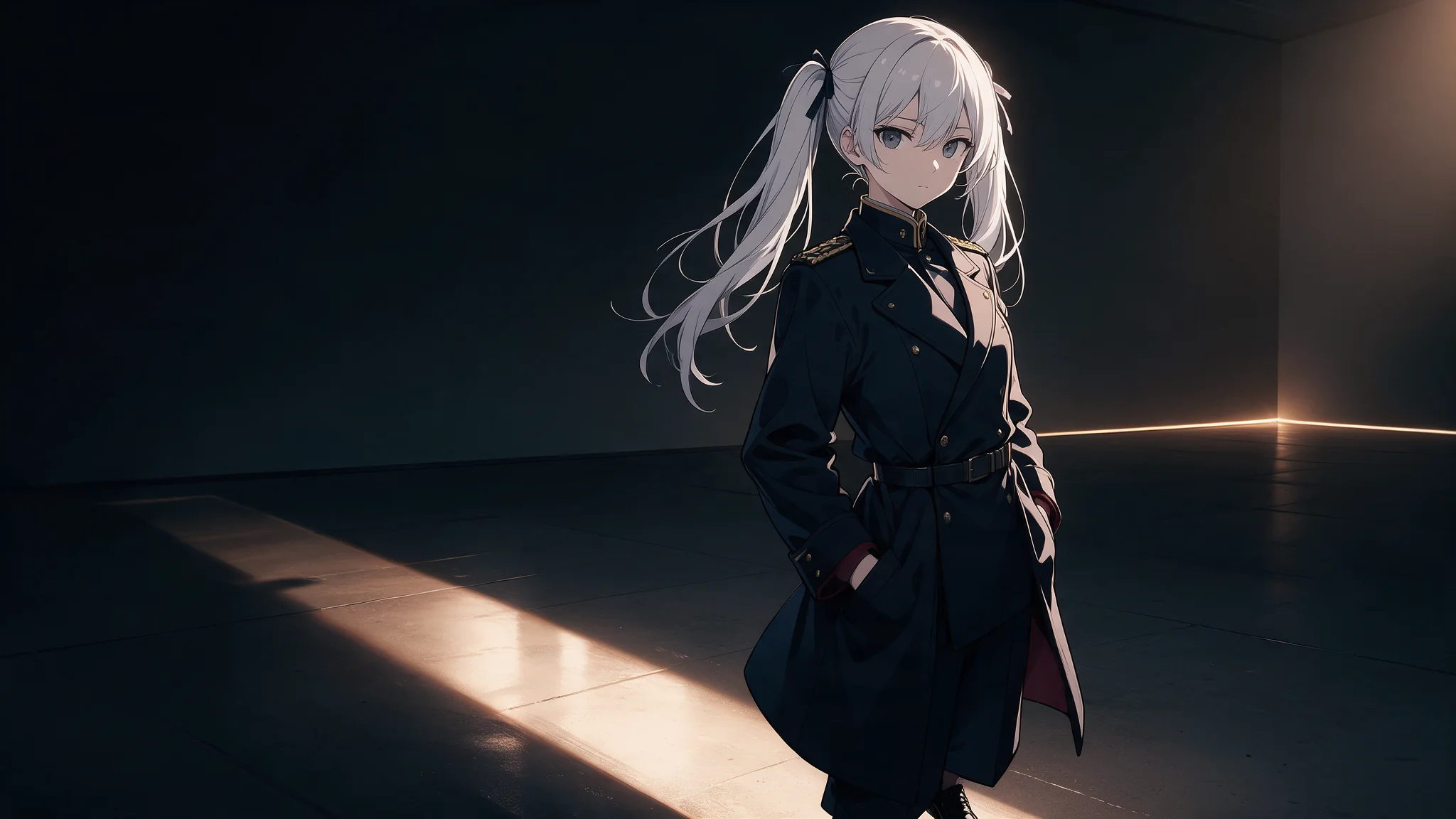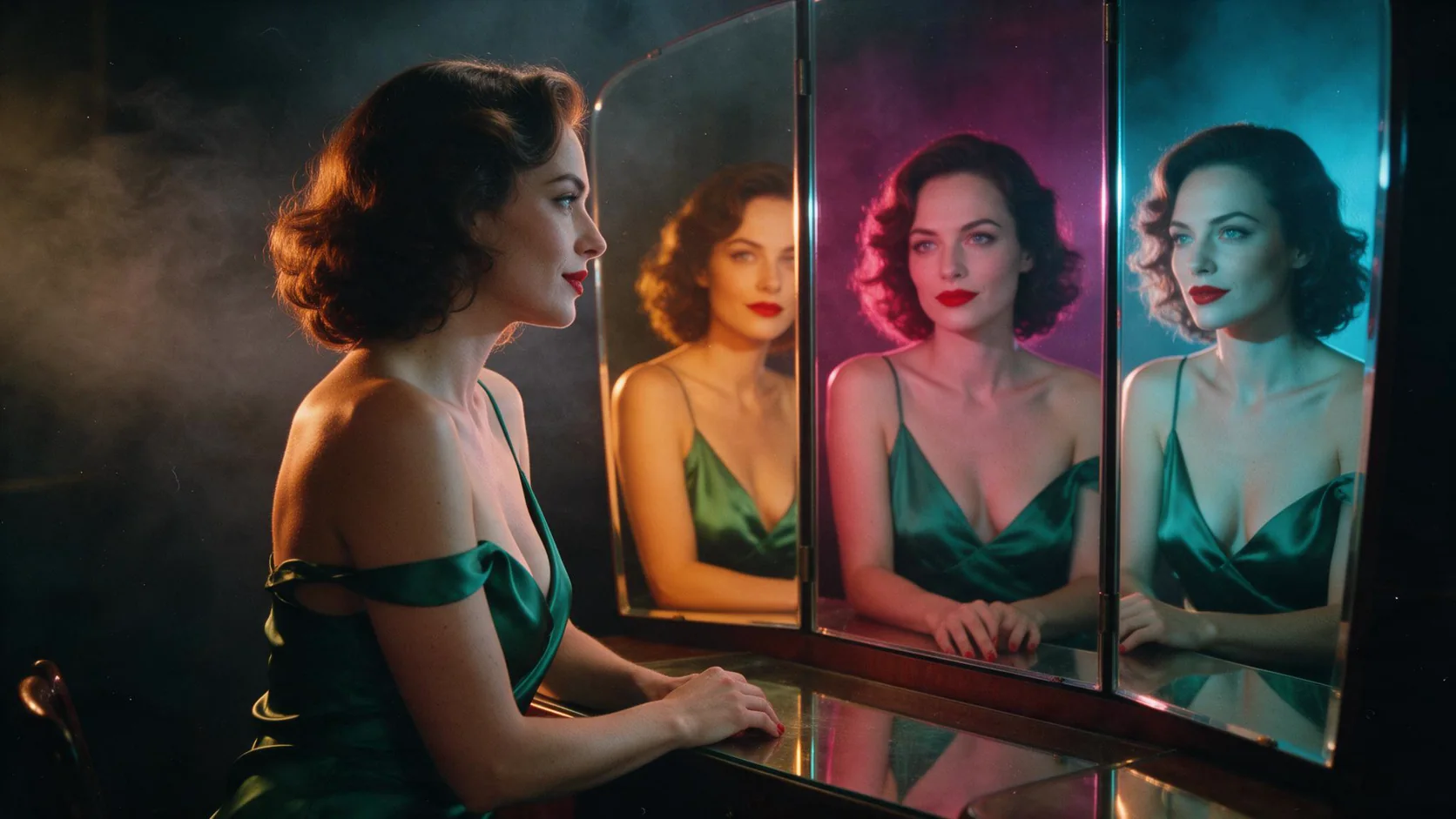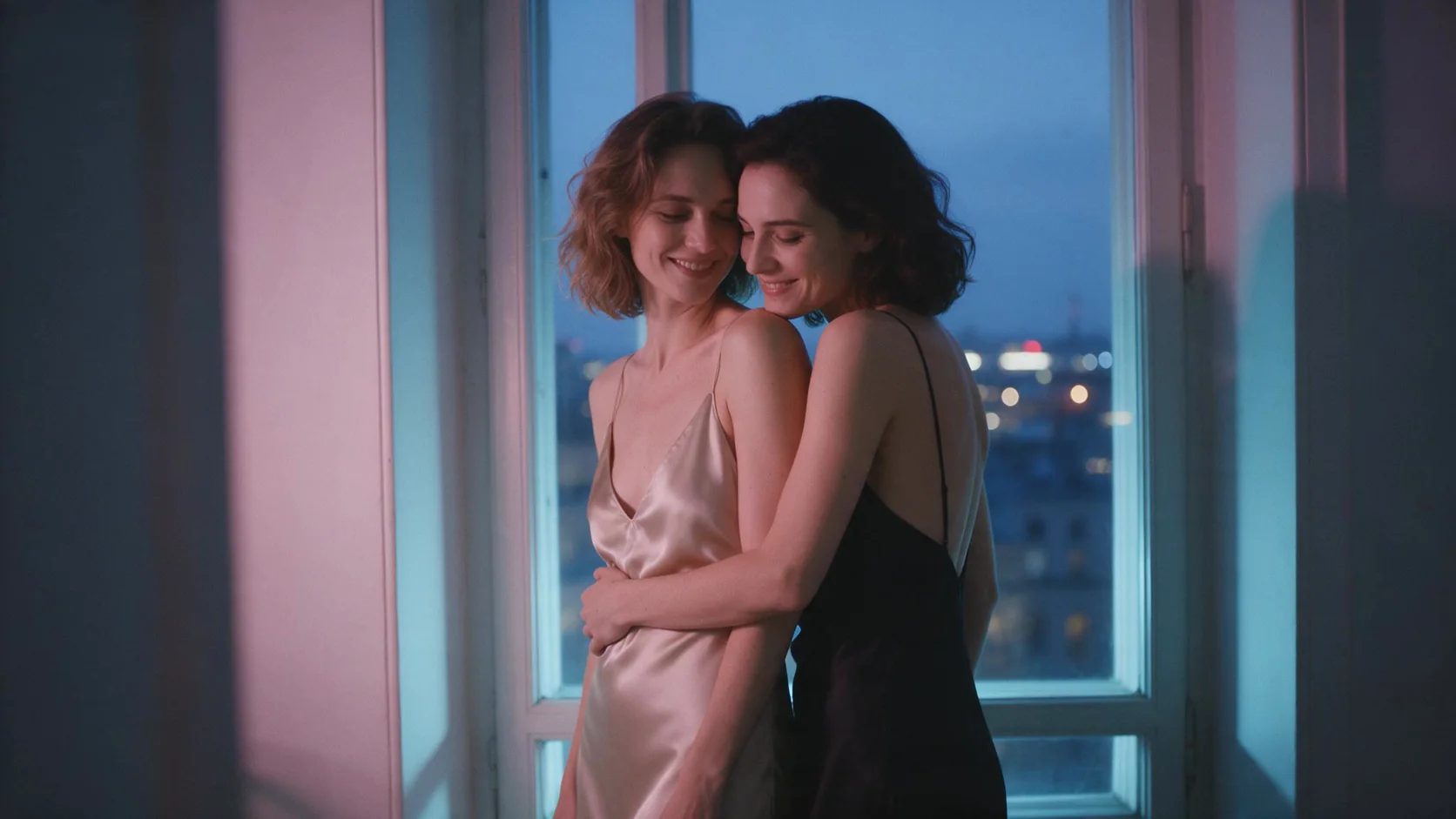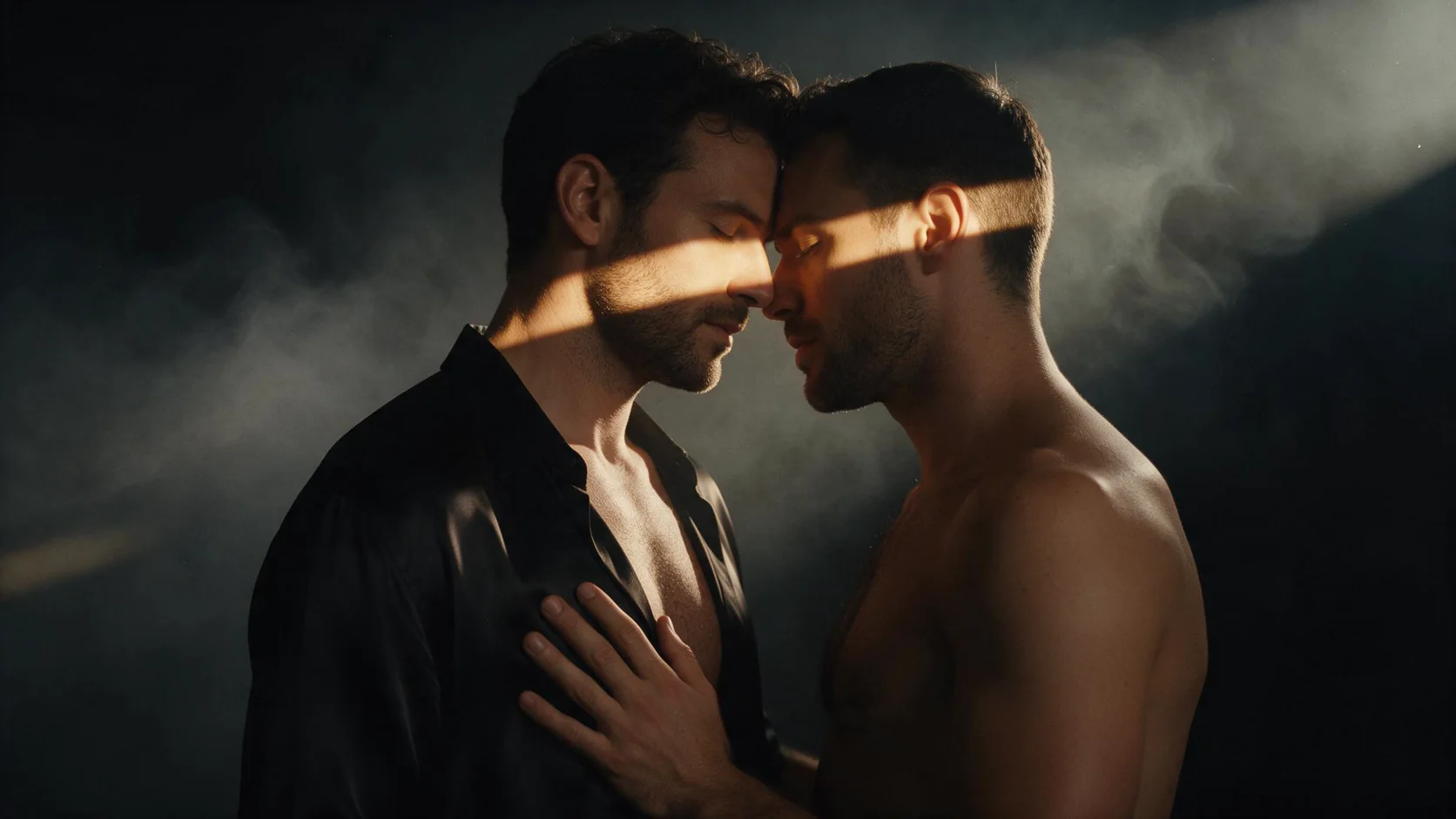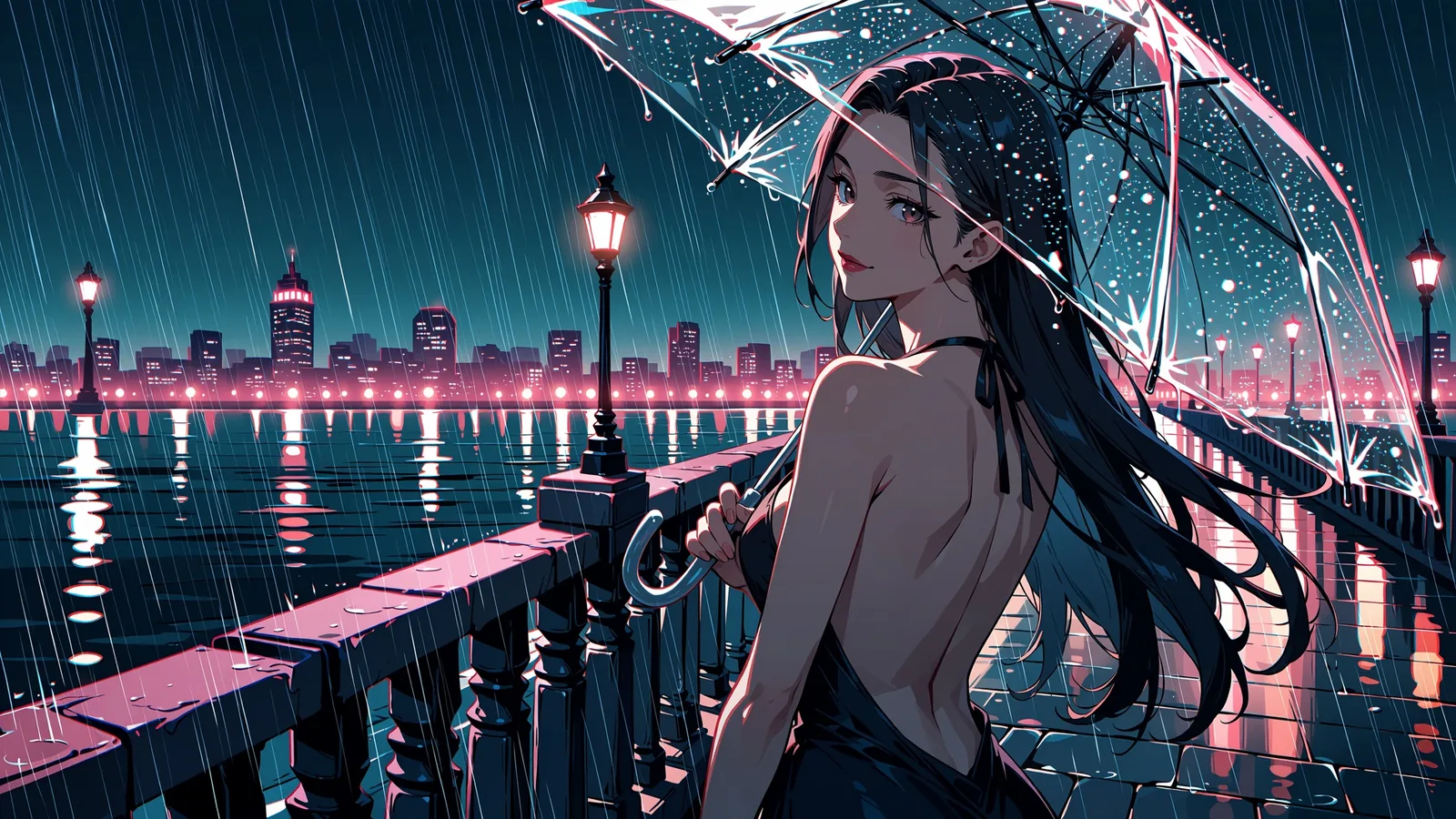
For NSFW anime art from a prompt alone, Anima Turbo was the best fit in our tests: it rendered our strongest content probe as written on the first try, it is built for anime, and it needs no extra files. Add Anima Turbo LoRA when you want your own style or character, Prefect Pony XL when you work in Pony-style tags, and a photoreal-first base only when you plan to steer it with an anime LoRA. General-purpose models such as FLUX 3 and Ideogram v4.5 refused almost everything past a neutral bikini photo.
"Best" depends on the job, so this is a decision guide rather than a leaderboard. Every claim below comes from our own runs on 5 October 2026 or from the SpicyAPI catalogue's content tests, and each section says how small the sample was. We do not rank image quality beyond what we saw.
At a glance: which model for which job
| Your job | Pick | Why, in our tests | Page |
|---|---|---|---|
| Anime art from text, no extra files | Anima Turbo | Anime and illustration model; most tested levels (intense scenes included) rendered as written | Anima Turbo |
| Your own art style or a recurring character | Anima Turbo LoRA | Same model with up to 3 LoRAs of your own | Anima Turbo LoRA |
| Danbooru or Pony-style tag prompts | Prefect Pony XL | Community anime checkpoint of the Pony XL lineage, text-to-image only | Prefect Pony XL |
| Photoreal base that can also go anime | Z-Image Turbo LoRA | Photoreal by default; anime with an anime LoRA; intense scenes rendered | Z-Image Turbo LoRA |
| An anime LoRA on a different base, plus editing | Qwen Image 2512 LoRA | Takes LoRAs and does editing; intense scenes rendered | Qwen Image 2512 LoRA |
| You already own a FLUX.1 Dev LoRA | FLUX.1 Dev LoRA | Takes your LoRAs; the strongest level was softened in our tests | FLUX.1 Dev LoRA |
| Unrestricted work on FLUX 3 or Ideogram v4.5 | Neither | They refused 10 of 12 and 11 of 13 requests | see below |
How we describe content levels
We use a five-step ladder. L1 is suggestive (lingerie, a strap slipping off the shoulder). L2 is partial, more revealing. L3 is fully revealing content. L4 is an intense scene between two adults. L5 is extreme: consensual restraint between adults, or cinematic gore. We did not run L5 on Anima. Nothing in this article prints a prompt above L1, and every character is an adult. The platform itself adds no content filter on these endpoints, so what matters is what each model does with the request.
Anima Turbo: best fit for prompt-only anime in our tests
Choose Anima Turbo if you want anime or illustration output from a prompt and nothing else. It is the distilled build of Anima by CircleStone Labs, a 2 billion parameter model built on NVIDIA Cosmos-Predict2 with a Qwen3 text encoder. The publisher recommends starting with the Turbo build, which it says is only slightly worse than the Aesthetic build on average while being much faster.

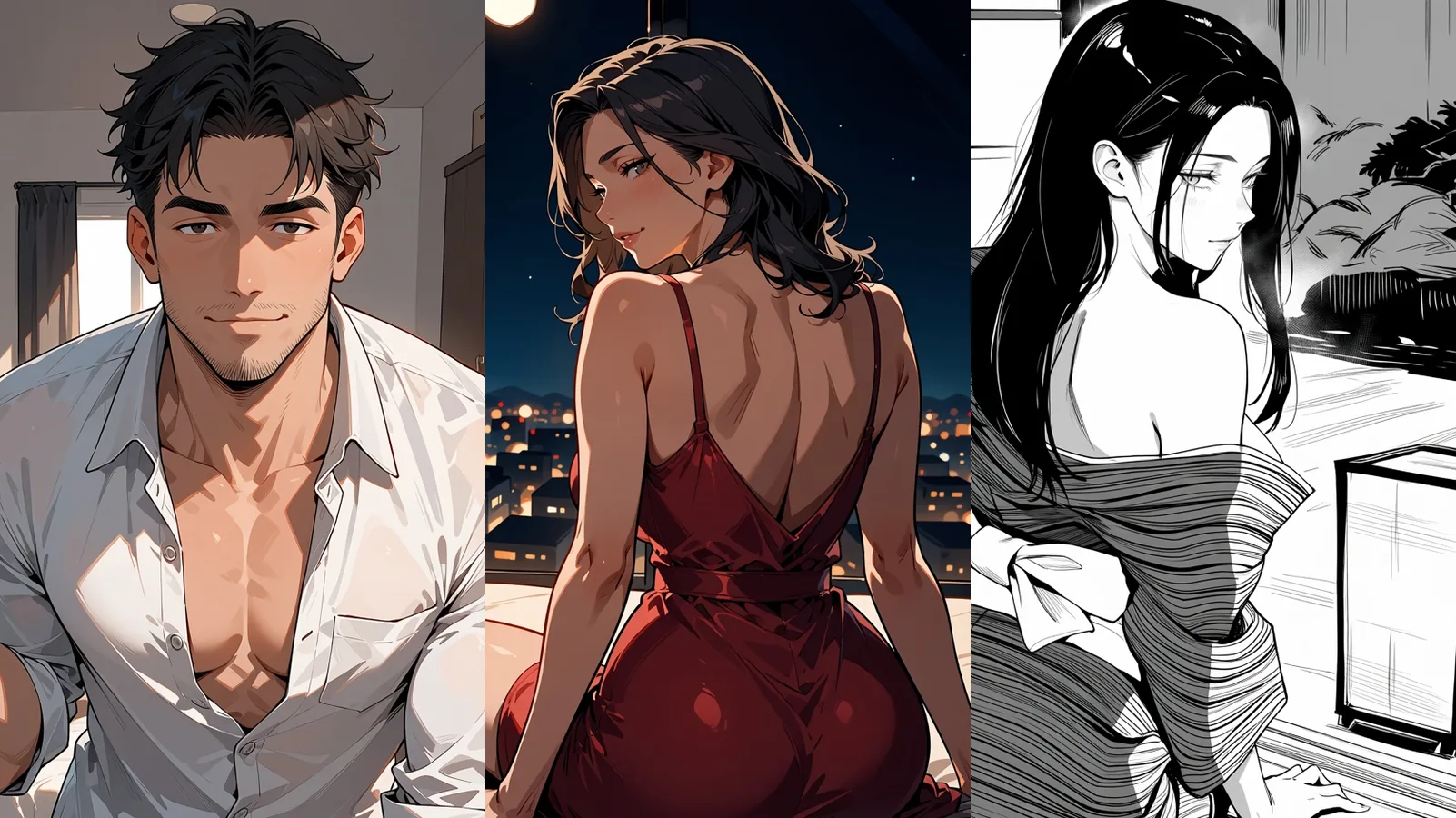
Anima Turbo text-to-image, 3:4, 1k tier, seed 22, rating tag sensitive. The prompt was a clothed adult male in a doorway.
What we tested: 25 requests across L1, L2, L3 and L4, text-to-image and image-to-image, with and without LoRAs, female and male subjects, two seeds for L3 and L4, and both the 1k and 1.5k tiers. We saw zero refusals and zero substitutions. L4 was rendered as written on the first try. In image-to-image runs that started from a clothed source, asking for L3 or L4 at strength 0.8 to 0.9 was followed. A further 60 aspect-ratio runs with an L2-level prompt all delivered.
Three practical points decide whether it suits you:
- Prompting. Danbooru-style tags, plain sentences and mixes of both worked. The publisher's order is quality and rating tags, head count (
1girl,1boy), character, series, artist, then general tags. Because there is no negative prompt, the rating tag is the main way to set tone. The model knowssafe,sensitive,nsfwand one stronger tag; the last two remove restraint. We only publishsafeandsensitiveexamples here. - Speed. Across 60 timed runs, model time was 2 to 16 seconds per image and 52 of 60 finished under 10 seconds.
- Limits. No photorealism, only a word or two of rendered text, and an occasional signature-like scribble in a corner (about one image in five for us; a new seed fixes it). Refusal-free does not mean flawless: anatomy and hands still need seed rerolls.
Here is a prompt that works as a starting point. It describes a clothed adult:
masterpiece, best quality, score_7, sensitive, 1girl, solo, adult woman, mature female,
long brown hair, white bathrobe slipping off one shoulder, standing by a large window at dawn,
holding a coffee cup, city skyline, soft light, calm smile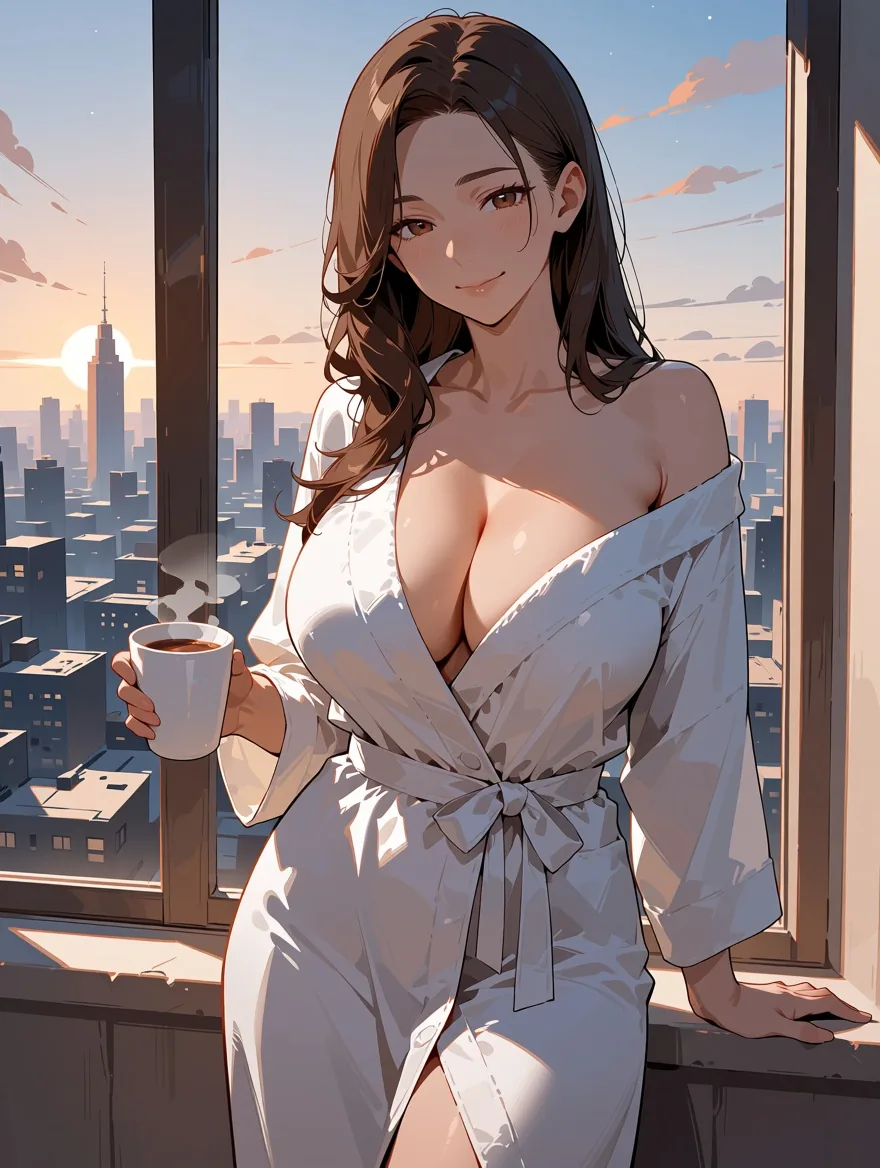
Anima Turbo text-to-image from the prompt above, 3:4, 1k tier, seed 23.
Anima also handles two characters in one frame, which matters for couple scenes:

Anima Turbo text-to-image, 16:9, 1k tier, seed 24, rating tag sensitive.
If you want the full prompt, strength and style-tag results for this model, our Anima Turbo test write-up goes through them one by one. You can run it from the Anima Turbo text-to-image page or the image-to-image page.
Keeping one character across scenes
If you make a series, you will want the same face in several places. In one test we fixed the description (silver bob, golden eyes, a beauty mark under the left eye) and the seed, and changed only the outfit and location. The character stayed recognisable across all three.
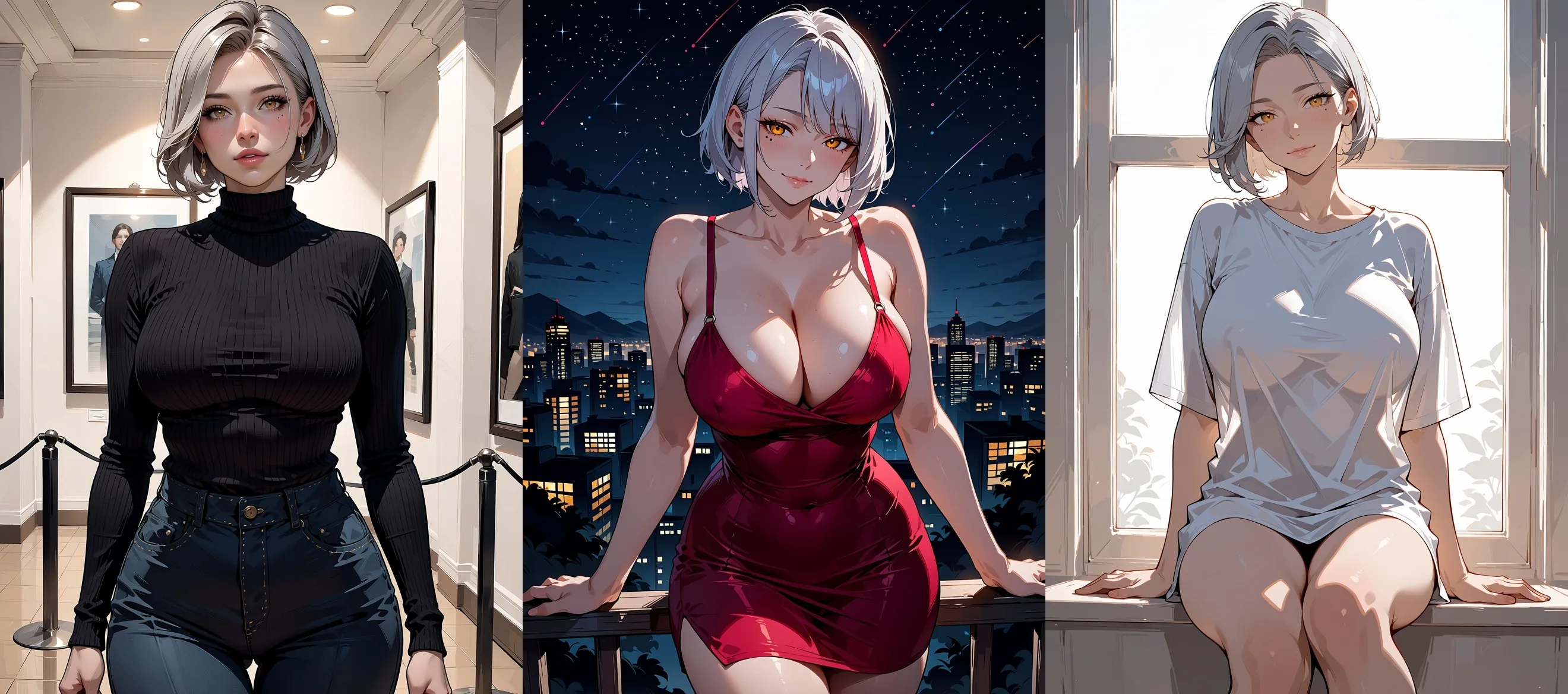
Anima Turbo text-to-image, 3:4, 1k tier, same seed (31) and same character description in three outfits and places. One run per image.
Seeds do not guarantee identical pixels, so treat this as a method that worked for us.
Anima Turbo LoRA: custom styles and characters
Choose Anima Turbo LoRA when the look matters more than the default model look. It is the same model with up to three LoRAs per request, each entered as a path (a direct HTTPS link to a .safetensors file) and a scale from 0 to 4. Loading LoRAs adds no separate charge.
In our content tests it matched the plain model: L3 and L4 rendered, with and without LoRAs, and we saw no refusals. What changes is control. A PC-98 era game look, for example, came from a public LoRA by Melon-Bread:
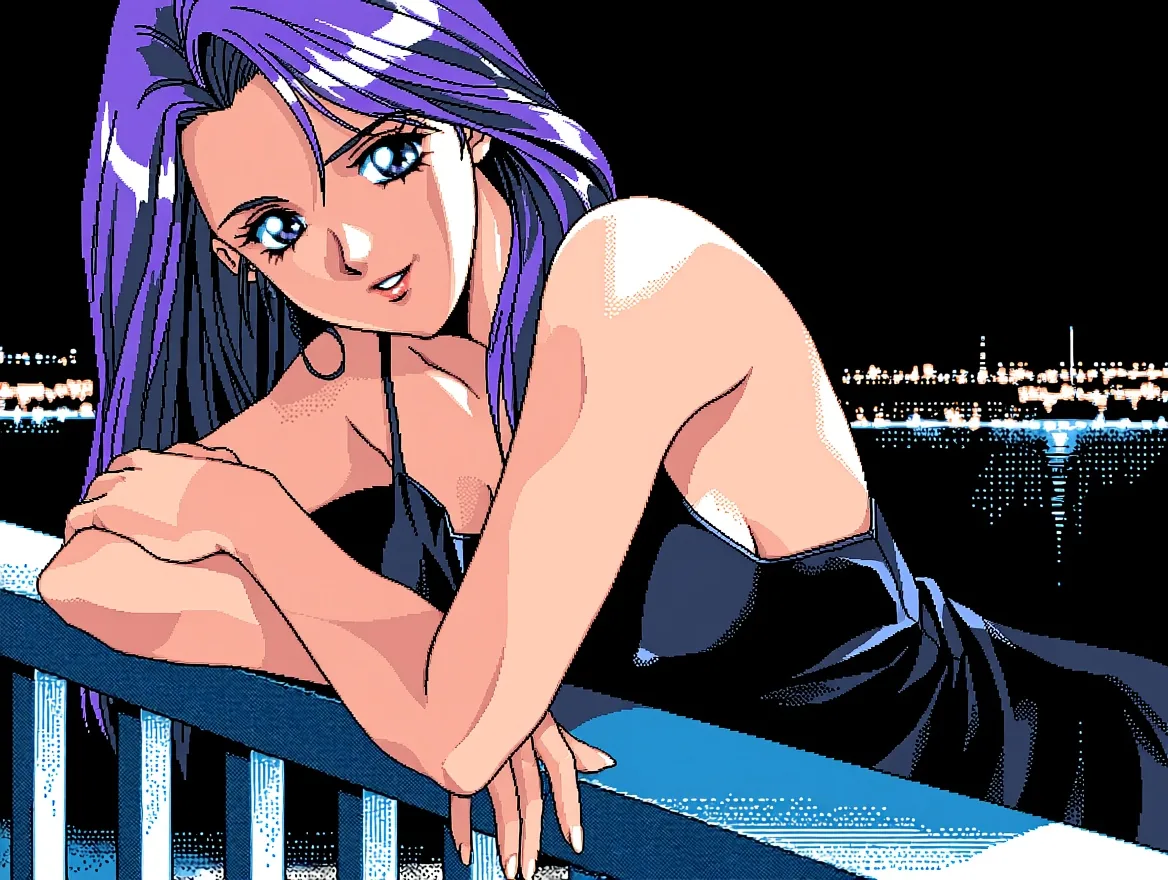
Anima Turbo LoRA text-to-image, 4:3, 1k tier, seed 32, PC-98 LoRA at scale 1 with its trigger word, rating tag sensitive.
A monochrome manga LoRA needed monochrome, greyscale in the prompt before it left colour behind:
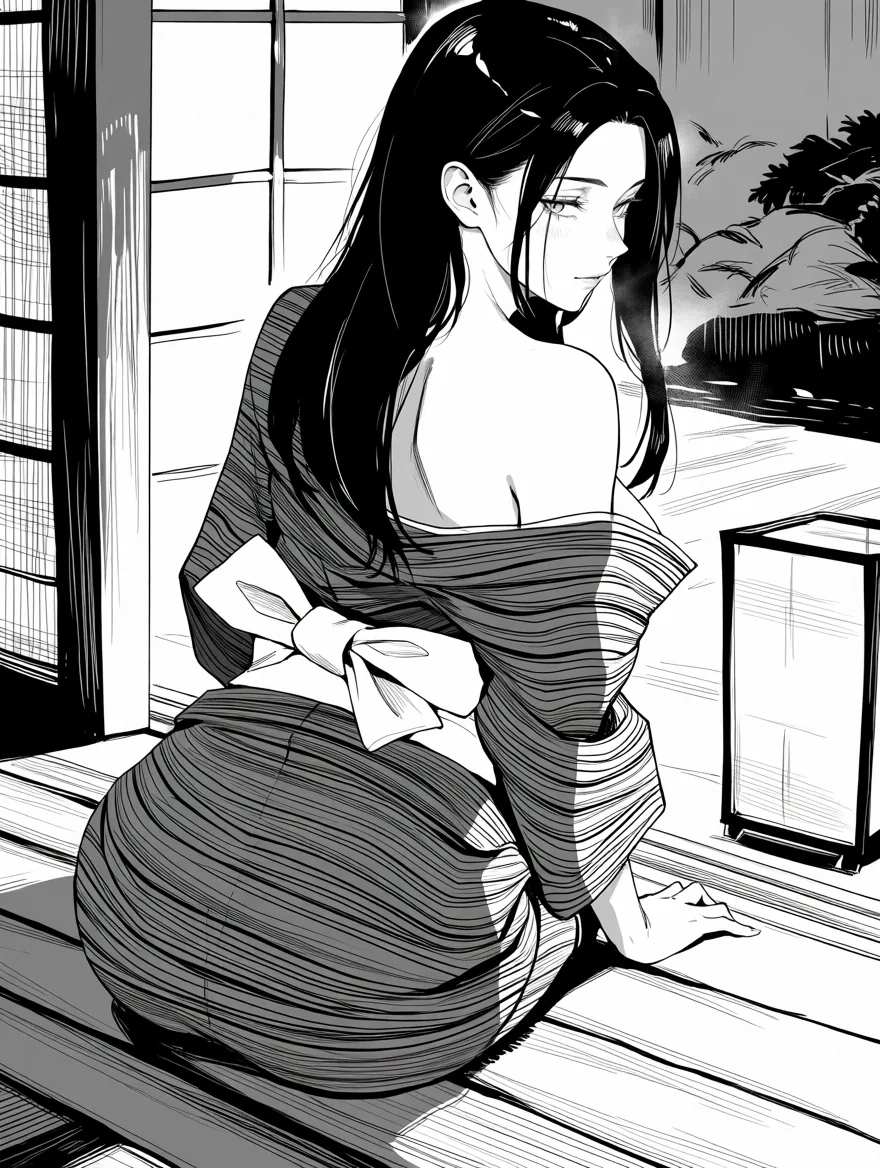
Anima Turbo LoRA text-to-image, 3:4, 1k tier, seed 33, monochrome LoRA at scale 1, rating tag sensitive.
Things to know before you start:
- Scale range. In our runs 0.5 was a light touch, 1 the full style, 1.5 pushed harder, and 4 broke the image into abstract shapes. About 0.5 to 1.2 is the useful range.
- Match the base. A LoRA trained for another base model (we tried a FLUX one) loaded without an error and changed nothing: the output was pixel-identical to using no LoRA. Use LoRAs trained for Anima. Hugging Face listed 129 of them on 5 October 2026.
- Link errors are not charged. A gated link that needs a login fails with an HTTP 401 message, and a repository page link instead of the file asks for the direct download link.
- First use is slower. The first request with a new LoRA can take longer while the file is fetched; one of ours took almost three minutes.
Our LoRA style guide covers scale, stacking and trigger words in more detail, and the model has a text-to-image page and an image-to-image page.
Prefect Pony XL: the tag-driven Pony lineage
Choose Prefect Pony XL if your prompts and habits come from the Pony XL ecosystem. It is a community anime checkpoint of that lineage, text-to-image only, with seven native SDXL sizes. In our internal run on 18 September 2026 it rendered three probe levels up to L4.
That was an earlier, separate test, so we do not compare it with Anima on content. The difference you will feel is workflow: Pony is text-only, has no image-to-image and no LoRA slot on SpicyAPI, while Anima Turbo gives you image-to-image and a LoRA sibling. For art-style choices on Pony in more depth, see our adult anime style guide.
Photoreal bases with LoRAs: Z-Image Turbo LoRA, Qwen Image 2512 LoRA, FLUX.1 Dev LoRA
Pick one of these only if you have a reason to leave the anime-native route. Typical reasons: you want one model that can produce both photoreal and anime output, you already own a LoRA trained for that base, or you need editing. Each takes your LoRAs, and the content results from the catalogue's tests differ:
| Model | What it is | Content tests |
|---|---|---|
| Z-Image Turbo LoRA | Alibaba Z-Image Turbo with your LoRAs; photoreal by default, anime with an anime LoRA | L3 and L4 rendered (text-to-image) |
| Qwen Image 2512 LoRA | Qwen-Image-2512 with your LoRAs, plus editing | L3 and L4 rendered |
| FLUX.1 Dev LoRA | FLUX.1 [dev] with your LoRAs | L3 rendered; L4 softened in our tests |
"Softened" means the request completed but the image did not match what was asked at that level. If your project depends on the most intense level, that row is the reason FLUX.1 Dev LoRA is the last pick in the table above rather than the first.
Two more uncensored image models, MiniMax H3 Image LoRA (L4 rendered) and Z-Image Spicy (photoreal, uncensored tier), are not anime picks.
Once you have a still you like, you can animate it. Seedance 2.5 Spicy, Wan 2.2 Spicy and MiniMax H3 Spicy are uncensored image-to-video families: they take an image plus a prompt and return a short video.
General-purpose models that refuse: FLUX 3 and Ideogram v4.5
If you are weighing FLUX 3 or Ideogram v4.5 for NSFW anime work, skip them: both refused almost everything beyond a neutral swimwear photo. We tested both on 5 October 2026 through a third-party hosted API, on the same ladder at the 1k tier.
| Model | Delivered | Refused |
|---|---|---|
| FLUX 3 text-to-image (Black Forest Labs) | A bikini beach scene; a neutral lingerie catalogue photo | Lingerie with flirtatious wording (L1), L2, L3, L4, a classical figure-painting study, a male figure study, and a euphemistic prompt with no flagged words (10 of 12 requests) |
| Ideogram v4.5 (Ideogram) | The same two | The same set; prompt expansion on or off made no difference (11 of 13 requests) |
Refusals came back in about two seconds, before any image was made, with the message "Content flagged as potentially sensitive. Please try different prompts or images." Refused requests were not charged. Because the euphemistic prompt was refused as well, the filter behaves as a semantic one, not a keyword list. We cannot tell whether that filter belongs to the model makers' own APIs or to the host we used, so read this as "refused on this route" and not as a verdict on the models in every setting.
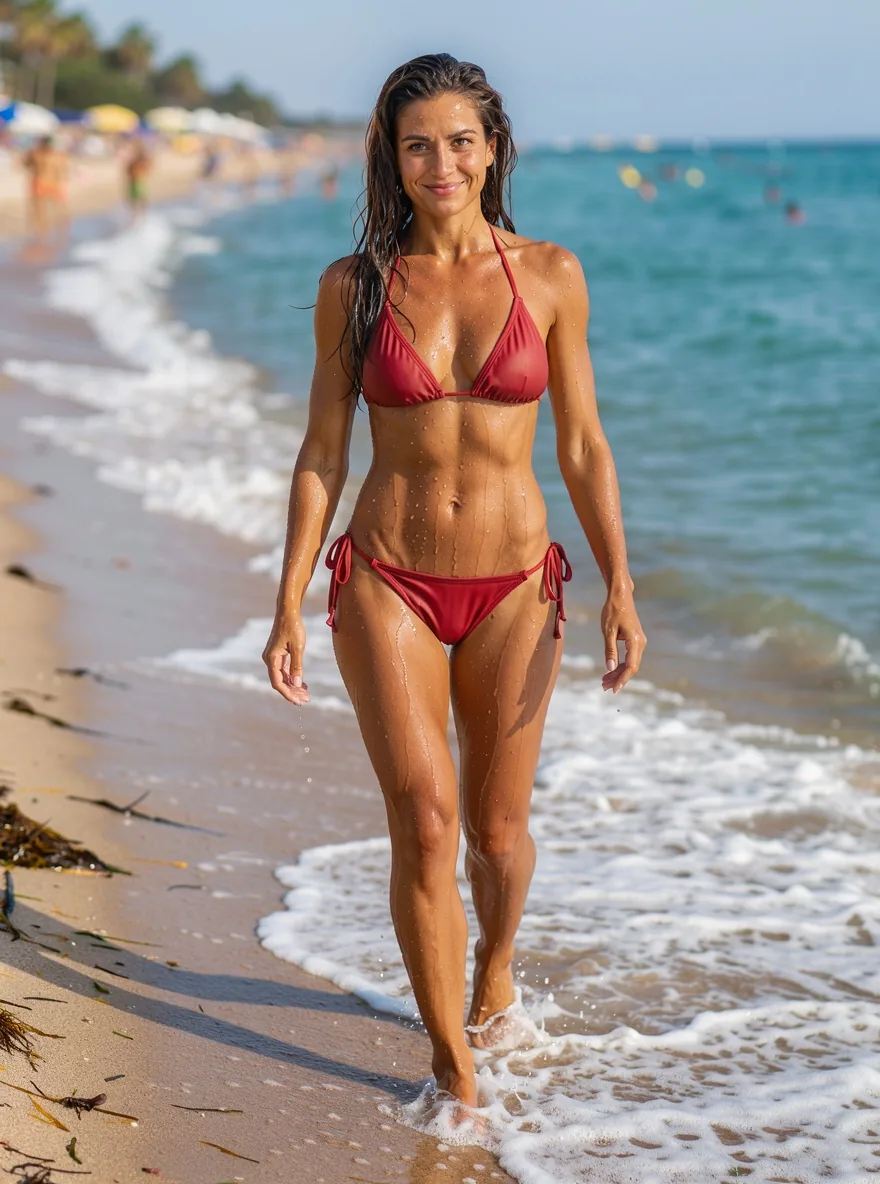
FLUX 3 text-to-image, 1k tier. This bikini beach photo was one of the two requests it delivered.
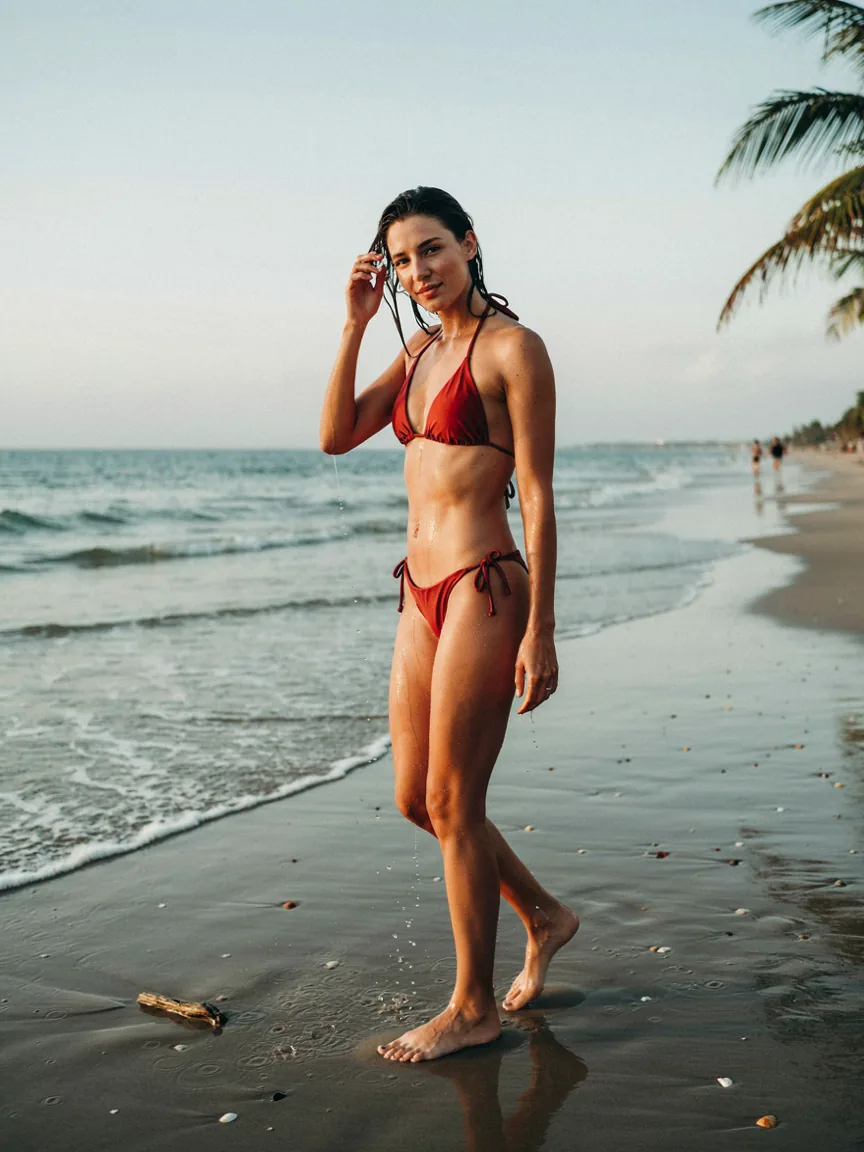
Ideogram v4.5, 1k tier. The same kind of bikini beach scene, one of the two requests it delivered.
Both models also returned photographs, not anime, so even a permissive setting would not have covered the "anime" half of your brief. For a broader comparison across image models, see our NSFW image generator roundup.
How we tested, and what the tests cannot tell you
Treat every number here as a small, dated sample. The Anima results are 25 content requests plus 60 aspect-ratio runs on 5 October 2026, mostly one or two seeds per case. The FLUX 3 and Ideogram v4.5 results are 13 and 14 requests on the same day through a single third-party route. Prefect Pony XL's result is from an internal run on 18 September 2026. The other rows come from the catalogue's content tests and are reported as written there.
What the tests do not show:
- They do not rank image quality. We did not score faces, hands, composition or style across models, and we do not claim Anima looks better than any other model here.
- They do not guarantee the same result next time. Providers change filters, and the same request and seed gave us slightly different renderings at different times.
- The rating tag moves tone less than people expect with a clothed description: with the same lounge prompt and seed,
safeandsensitivegave almost the same picture.
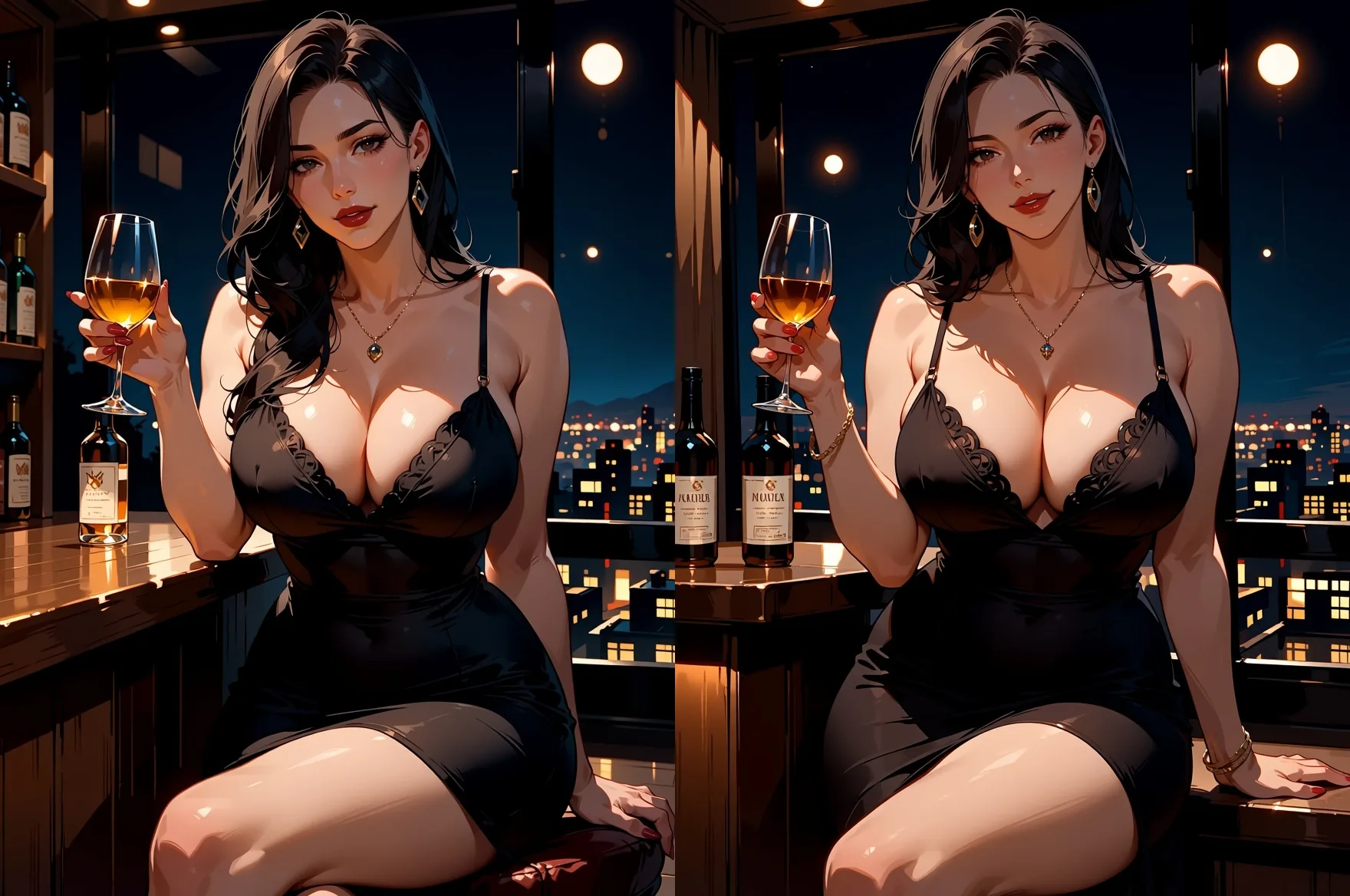
Anima Turbo text-to-image, 3:4, 1k tier, seed 27. Left: safe. Right: sensitive. Same prompt otherwise.
How to choose in three questions
- Do you have a LoRA or need a specific style? If yes, use Anima Turbo LoRA, or a LoRA-capable base that matches the LoRA you own (a LoRA for another base does nothing). If no, start with Anima Turbo.
- Do you write prompts as Pony-style tags and want that exact ecosystem? Then try Prefect Pony XL. If you want image-to-image from a photo or a drawing, Anima Turbo is the one that offers it.
- Do you need photoreal output at all? If yes, use a photoreal-first base such as Z-Image Turbo LoRA, and check its content row first. If you only want anime, stay on the anime-native models.
If you plan to turn a photo into anime, our strength guide shows what each strength value does.
Use these models responsibly
Make adult characters only, and say so in the prompt. Do not generate real people or real likenesses without their consent. Keep your own outputs private unless you are sure where you are allowed to publish them. You are responsible for what you generate, store and share, and for following the laws that apply to you.
FAQ
Which AI model is best for NSFW anime art?
For prompt-only anime art, Anima Turbo was the best fit in our tests: our strongest content probe rendered as written on the first try, with no refusals across 25 requests. Prefect Pony XL suits Pony-style tag prompts, and Anima Turbo LoRA suits custom styles. "Best" changes with the job, so use the quick-pick table above.
Can FLUX 3 or Ideogram v4.5 make NSFW anime?
Not in our tests. FLUX 3 refused 10 of 12 requests and Ideogram v4.5 refused 11 of 13, including lingerie with flirtatious wording. Both only delivered a neutral bikini beach scene and a lingerie catalogue photo. The filter might belong to the host rather than the makers, which we could not check.
Do I need a LoRA for NSFW anime art?
No. Anima Turbo rendered our tested levels without any LoRA. A LoRA helps when you want a specific style or a recurring character. Use one trained for Anima: a LoRA for a different base loaded without an error and changed nothing in our test.
Are the models really uncensored, or do they quietly soften images?
On Anima we saw zero refusals and zero substitutions across 25 content requests. Softening does exist elsewhere: FLUX.1 Dev LoRA softened the intense level in our tests. The model can also behave differently from one seed to another, so check each result.
What is the difference between the safe and sensitive rating tags?
With a clothed description they gave almost the same picture in our test, so the tag is a tone hint more than a switch. The publisher documents nsfw and one stronger tag as the ones that remove restraint. Because there is no negative prompt, the rating tag is the main way to set tone.
Can I turn my own photo into anime?
Yes, with Anima Turbo image-to-image. In our tests a photo still read as a photo at strength 0.3, as an illustration at 0.6 and as clean anime at 0.75. From 0.9 details start to change, and at 1.0 the source is ignored. It restyles; it does not follow edit instructions.
Can I animate the images?
Yes. Seedance 2.5 Spicy, Wan 2.2 Spicy and MiniMax H3 Spicy take an image plus a prompt and return a short video.