
Introduction
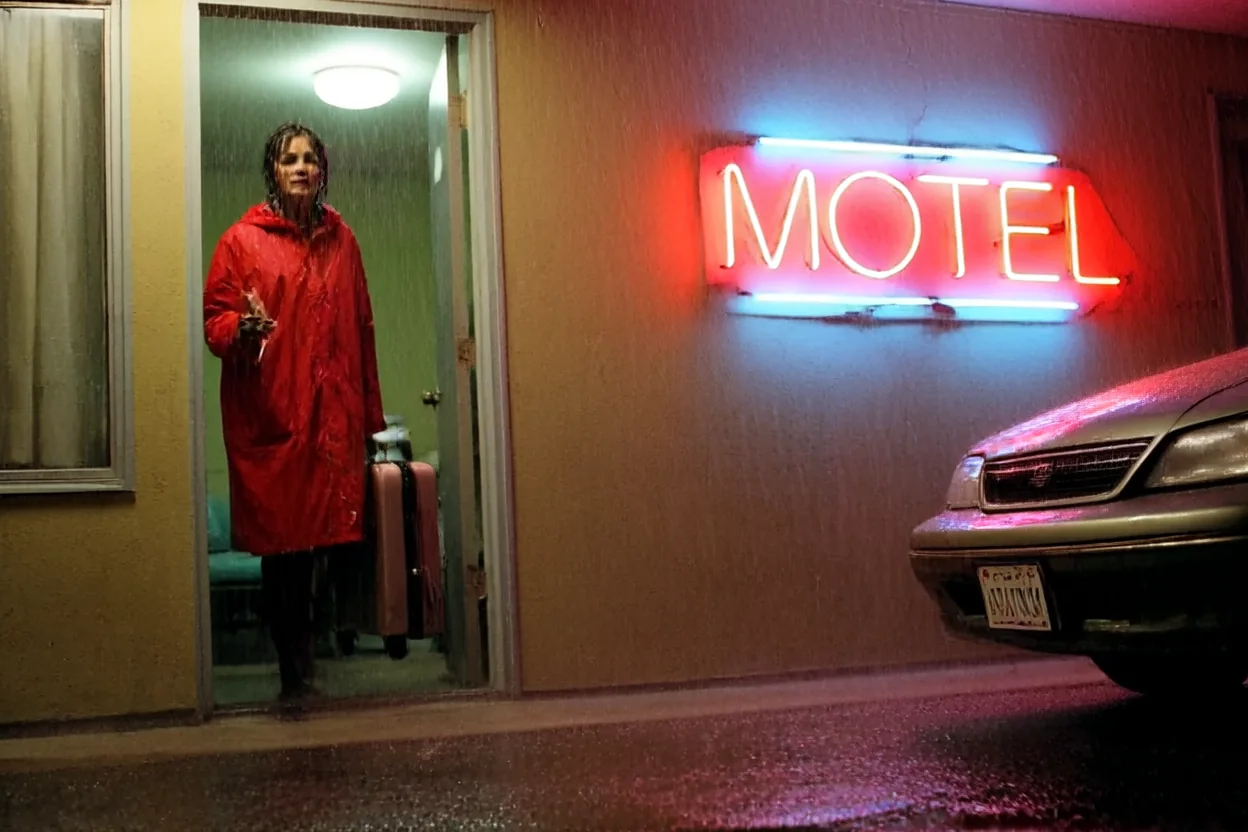
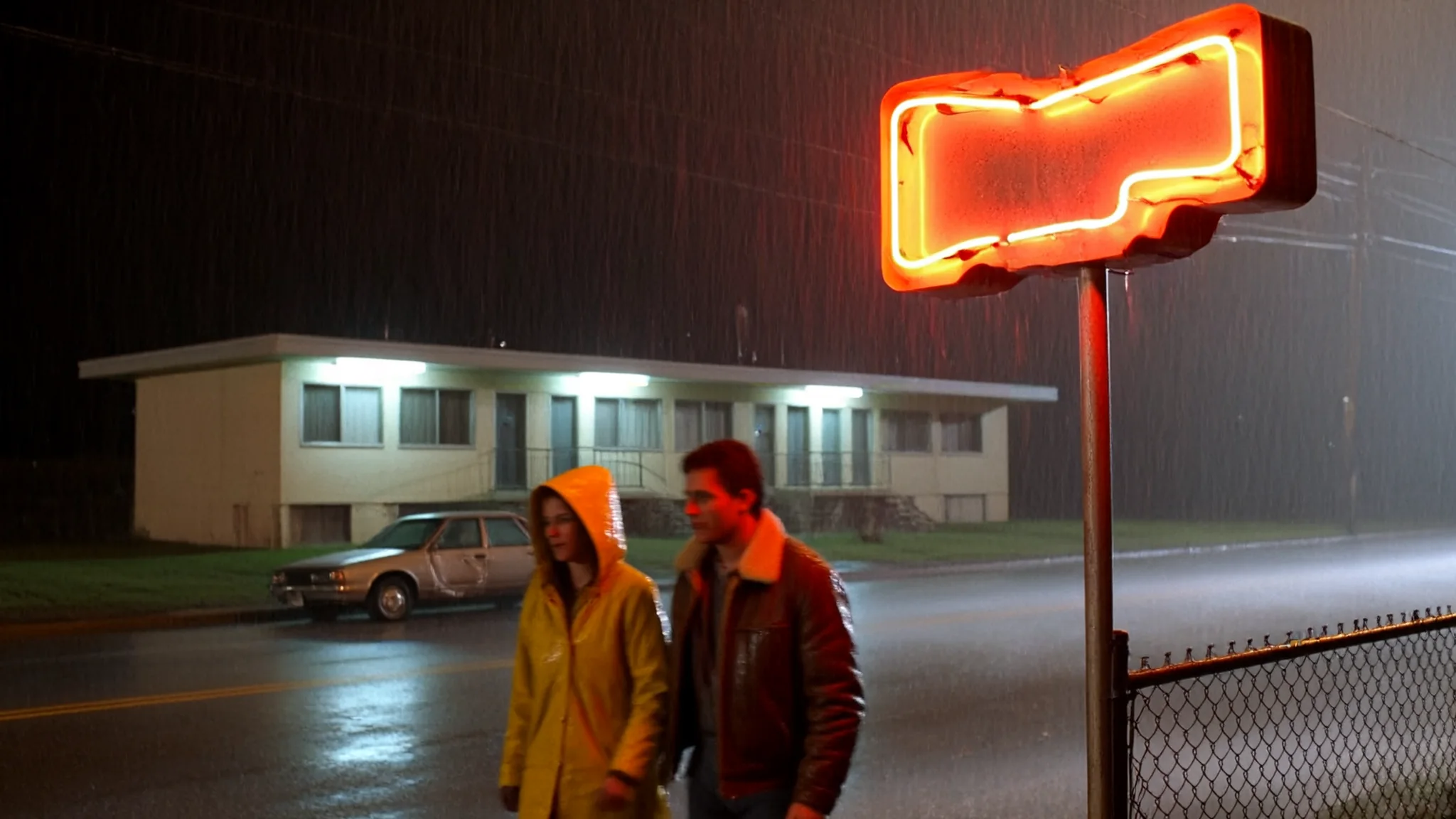
P-H3-Image LoRA Image Editing applies H3-trained files while transforming the first supplied picture. You may include eight further reference images and specify what each one contributes.
Key features & highlights
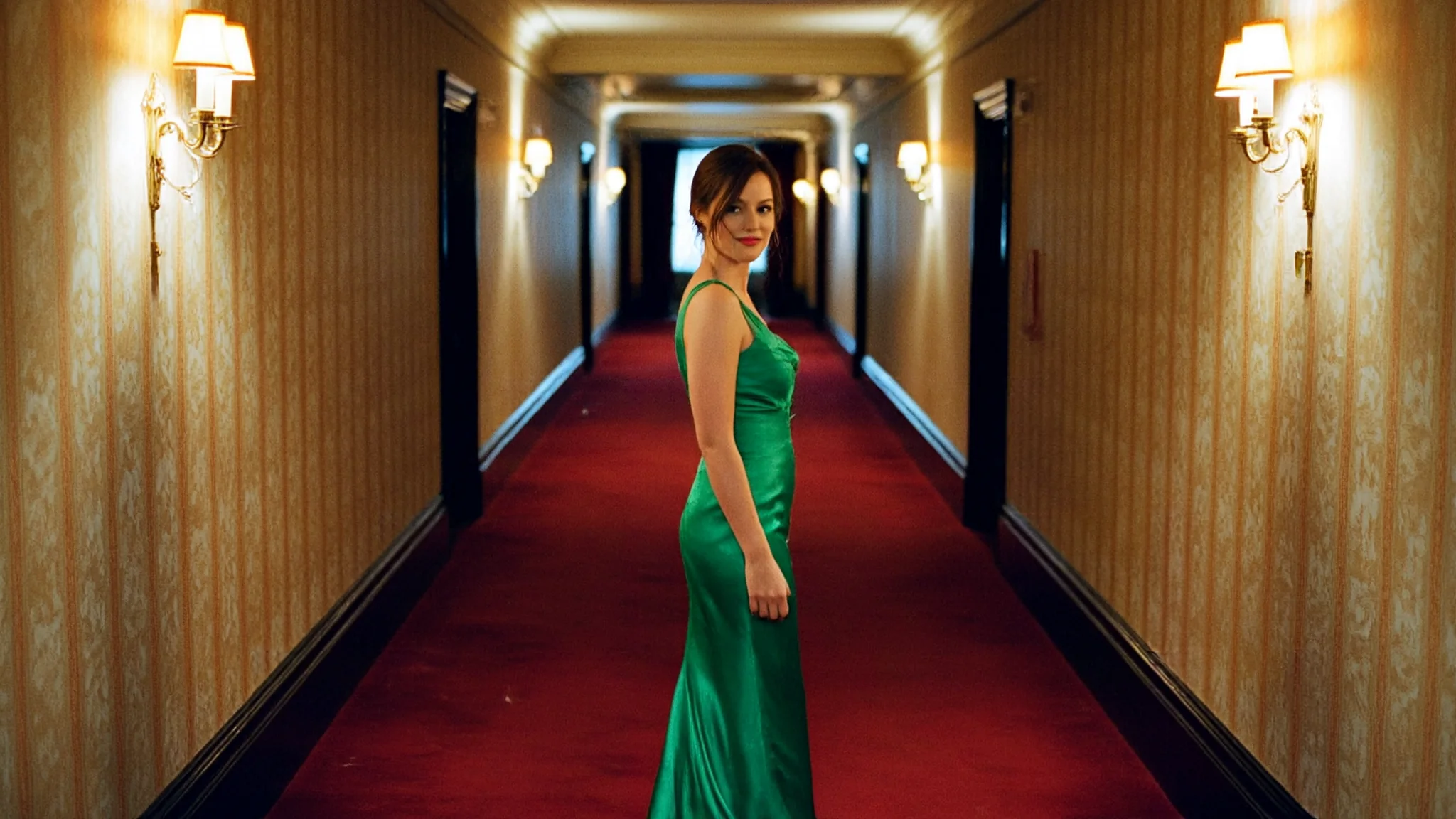
The cartoon test used Studio1939 style at strength 1 to redraw the singer without losing the pose, dress or microphone. The same LoRA field supports up to three entries, with an independent 0–4 scale for each file.
Request parameters
| Parameter | Required | Description |
|---|---|---|
prompt | Yes | Write the required transformation instruction and the trained trigger, with no default instruction supplied. Use numbered tokens to assign roles to source pictures. at least 1 characters · at most 5000 characters |
image_urls | Yes | Provide 1–9 URLs in order; an edit requires this list and has no default picture. at least 1 items · at most 9 items |
aspect_ratio | No | The first source determines shape when this field is omitted. |
resolution | No | For LoRA editing, 1k (~1 MP) is the default size. Available larger tiers are 1.5k (~2.4 MP), 2k (~4 MP), 3k (~9.4 MP) and 4k (~16.8 MP); the selected tier changes billing. |
loras | No | Attach up to three MiniMax H3-trained {path, scale} files or omit them for a baseline; scale 0–4, default 1. Default: |
output_format | No | The result uses jpeg by default, with png or webp selectable instead. The encoding switch does not alter the image rate. |
seed | No | Optional source of randomness; leaving it unspecified requires no fixed seed. Compare one style or instruction change using the same value, without a promise of identical results. |
Pricing
A LoRA edit is charged per image by resolution plus a fixed small surcharge regardless of attachment count. Every reference after input one adds a small amount. Aspect ratio and format have no effect on price. Failed requests are uncharged; an invalid LoRA link can be skipped while a billed image is produced.
| Specification | Price |
|---|---|
| $0.048 / image |
| $0.066 / image |
| $0.084 / image |
| $0.156 / image |
| $0.228 / image |
Use cases
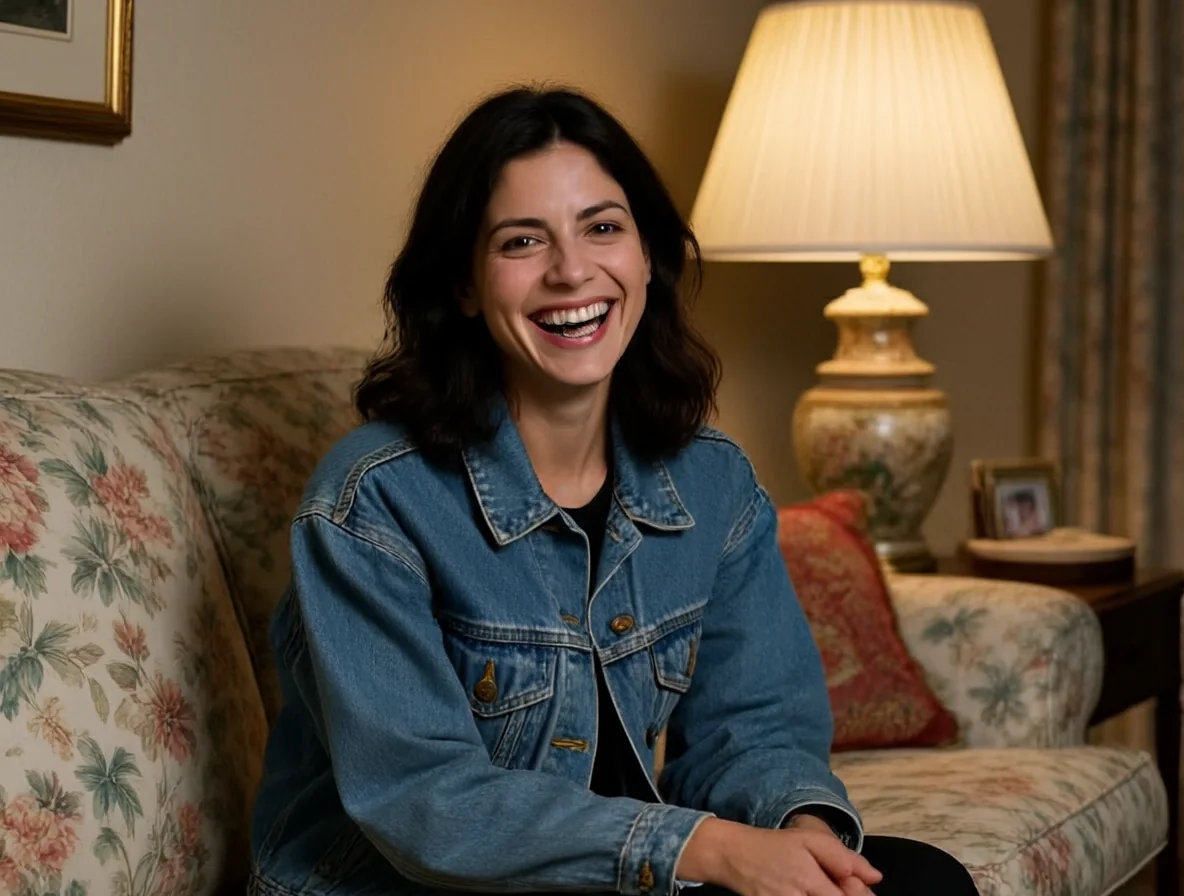
Convert a stage photograph into a period cartoon or request a denim-jacket living-room scene with a VHS treatment. Add the trained trigger to the edit instruction and address the source as <Picture 1>.
Prompt guide & pro tips
Keep the inputs, prompt and seed unchanged between a no-LoRA control and an enabled run to inspect the file's effect. That comparison shares a random source without guaranteeing identical pixels. Confirm that path is a direct weight-file link: a wrong link can leave the style unapplied while the edit succeeds and is charged. Leaving loras empty also retains the LoRA endpoint surcharge.
API quick start
# Generate the idempotency key once; reuse it when retrying after a lost response.
export SPICY_IDEMPOTENCY_KEY="${SPICY_IDEMPOTENCY_KEY:-$(uuidgen)}"
curl -X POST https://api.spicyapi.ai/api/v1/jobs/createTask \
  -H "Authorization: Bearer $SPICY_API_KEY" \
  -H "Content-Type: application/json" \
  -H "Idempotency-Key: $SPICY_IDEMPOTENCY_KEY" \
  -d '{
  "model": "pruna-ai/p-h3-image-lora/edit",
  "input": {
    "image_urls": [
      "https://example.com/reference.png"
    ],
    "output_format": "jpeg",
    "prompt": "A ceramic teapot on a linen cloth, soft window light, muted palette",
    "resolution": "1k"
  }
}'

# Copy data.taskId from the response into TASK_ID, then poll the status.
TASK_ID="TASK_ID_FROM_RESPONSE"
curl "https://api.spicyapi.ai/api/v1/jobs/recordInfo?taskId=$TASK_ID" \
  -H "Authorization: Bearer $SPICY_API_KEY"
See the API reference for authentication, the complete schema, polling, and error handling.