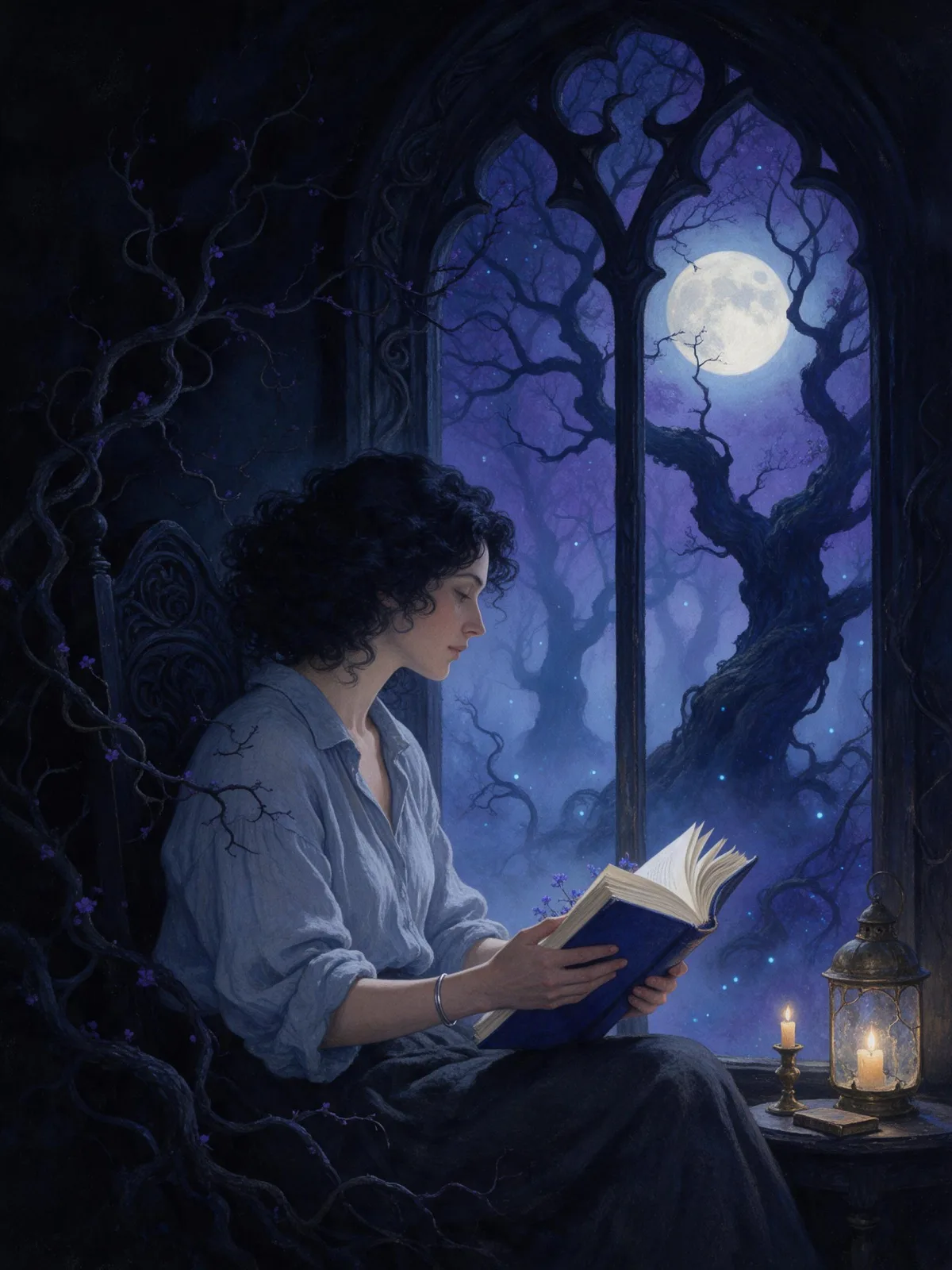
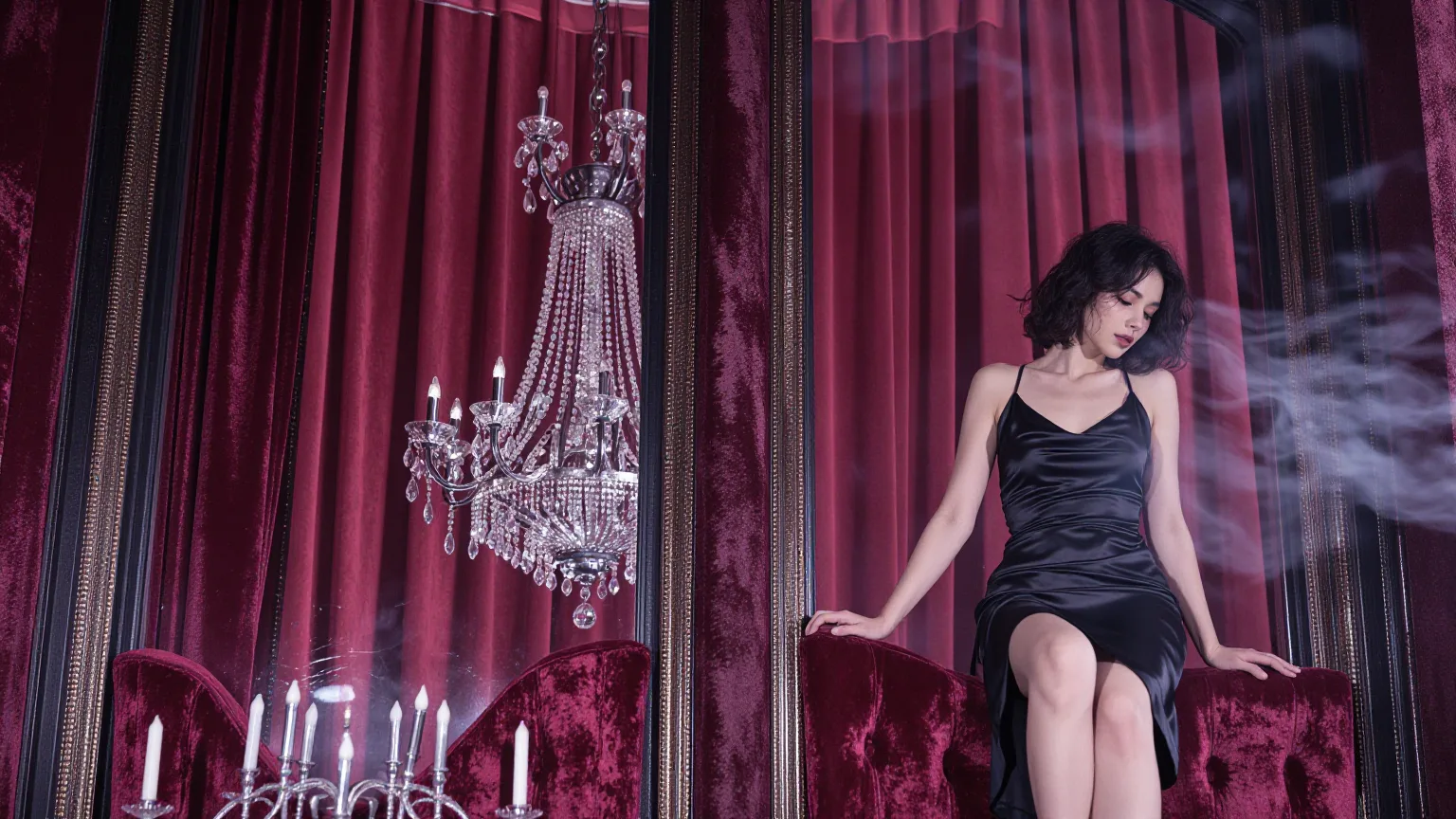
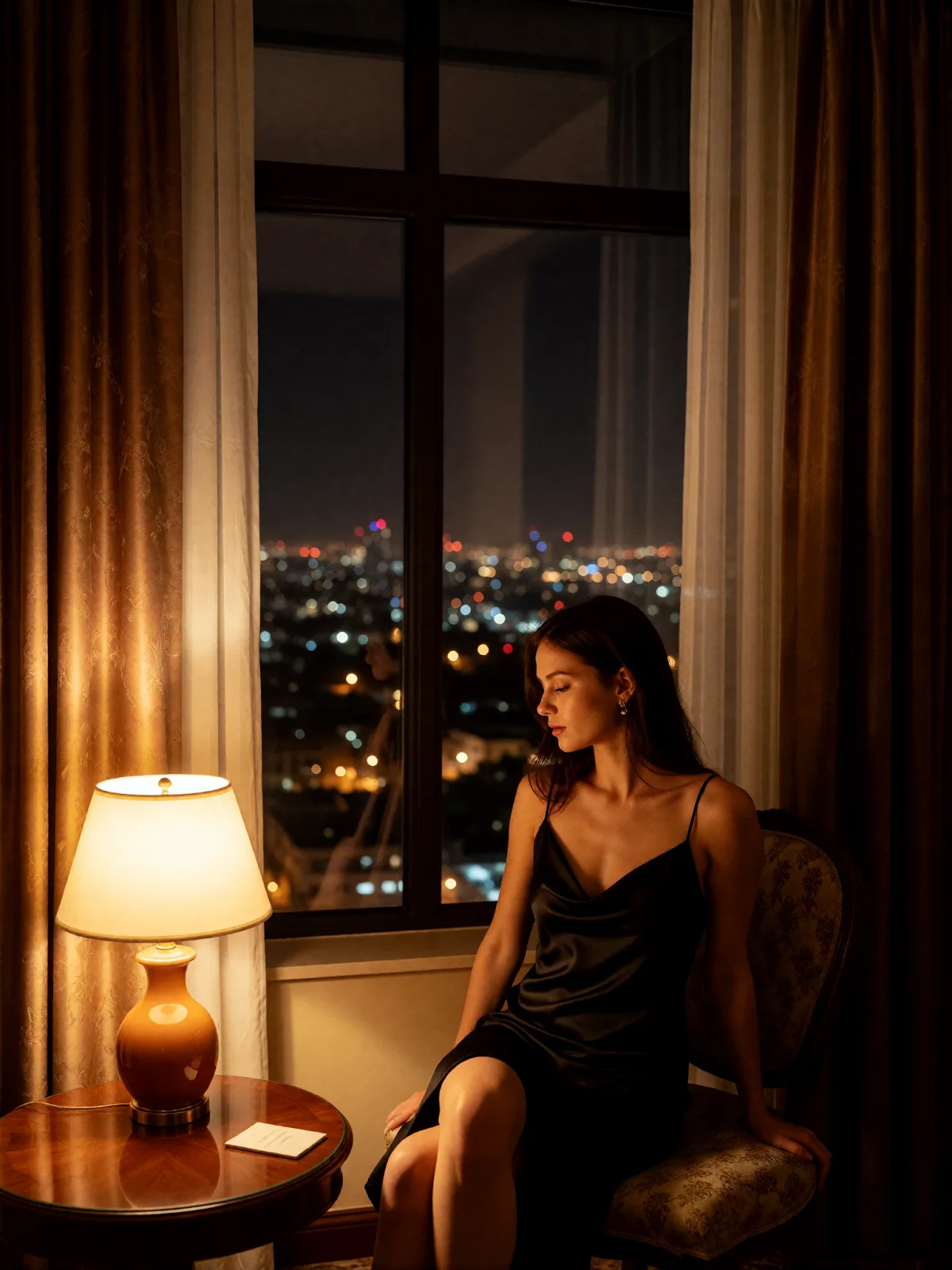
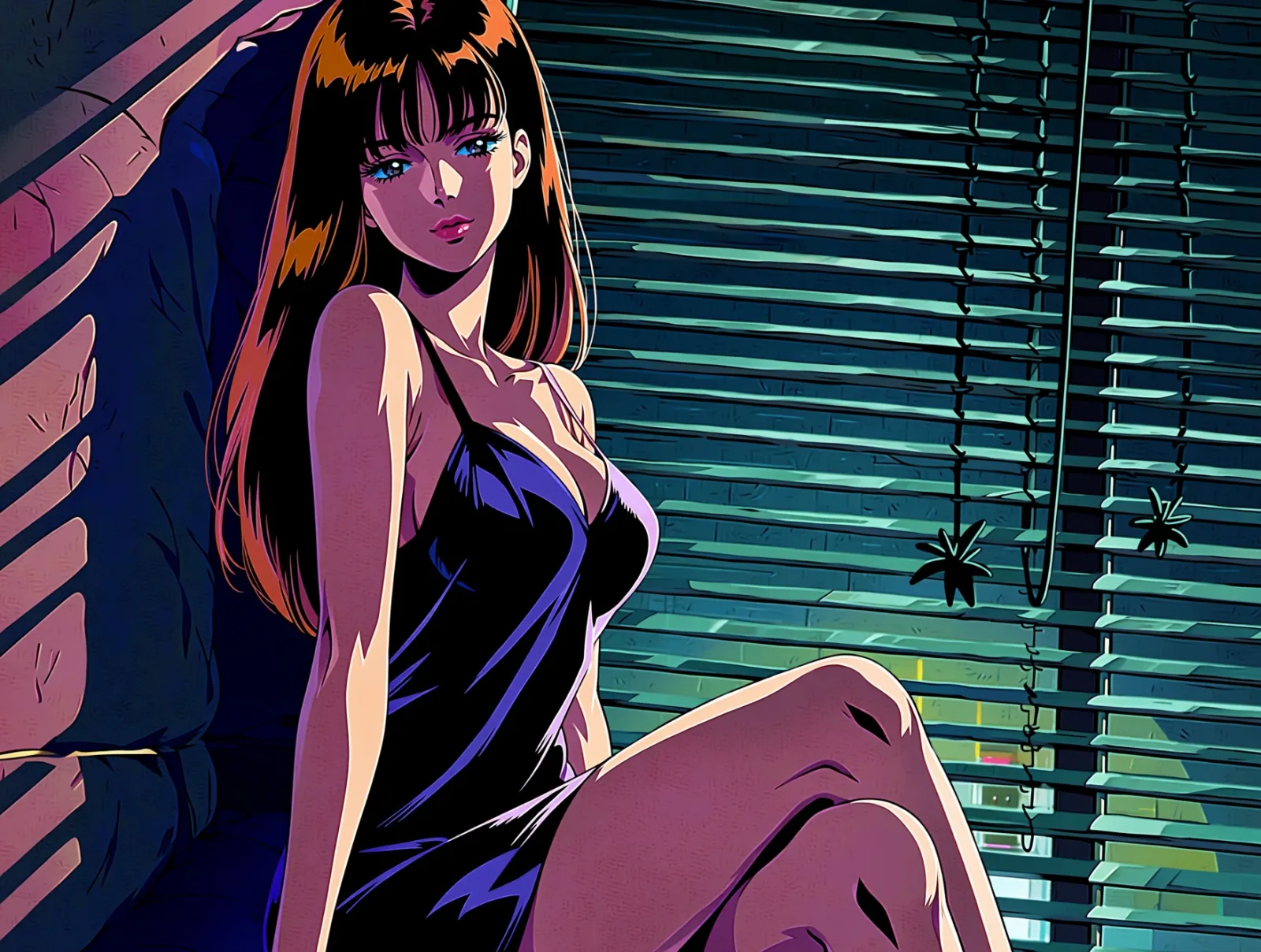
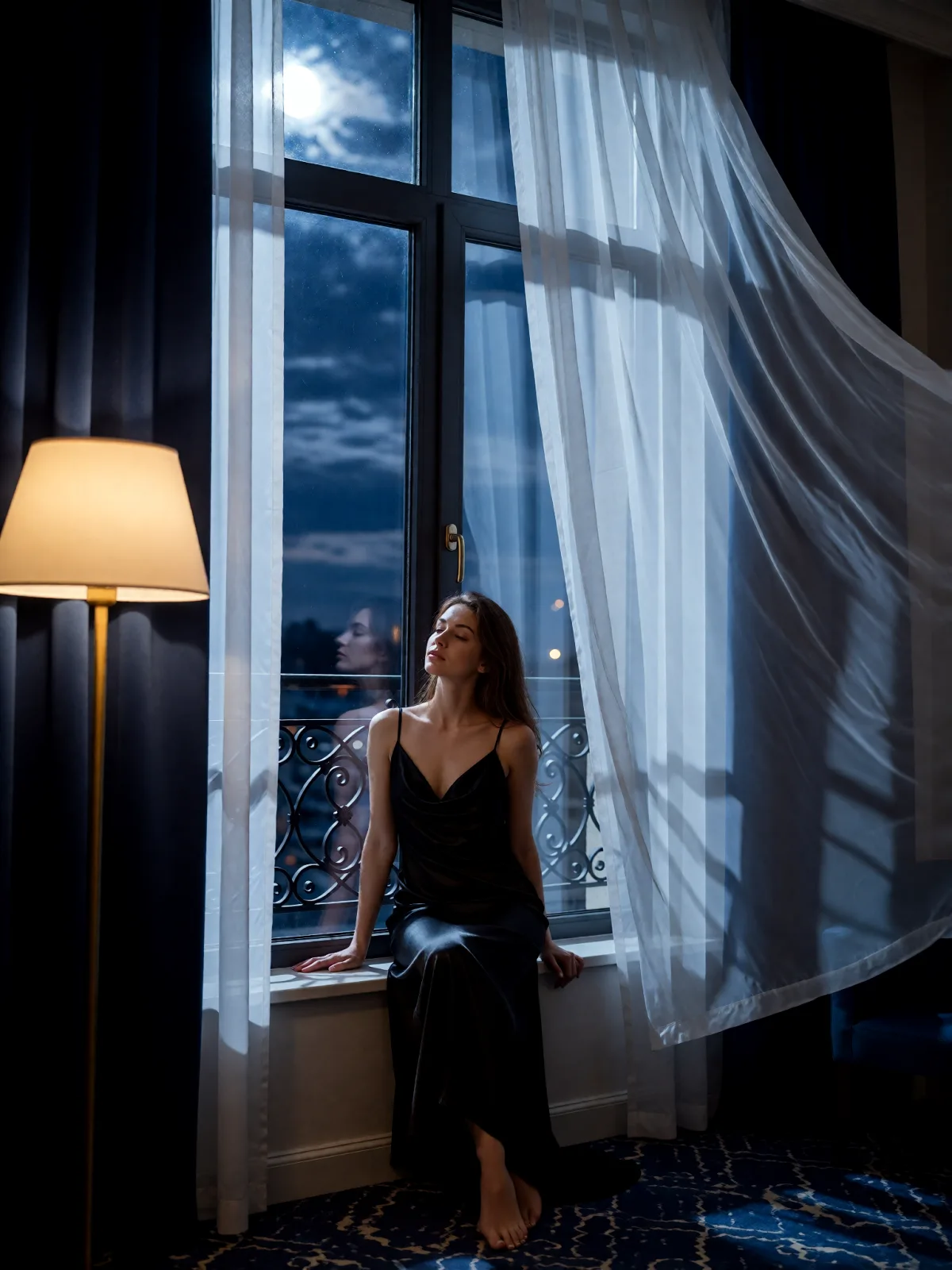
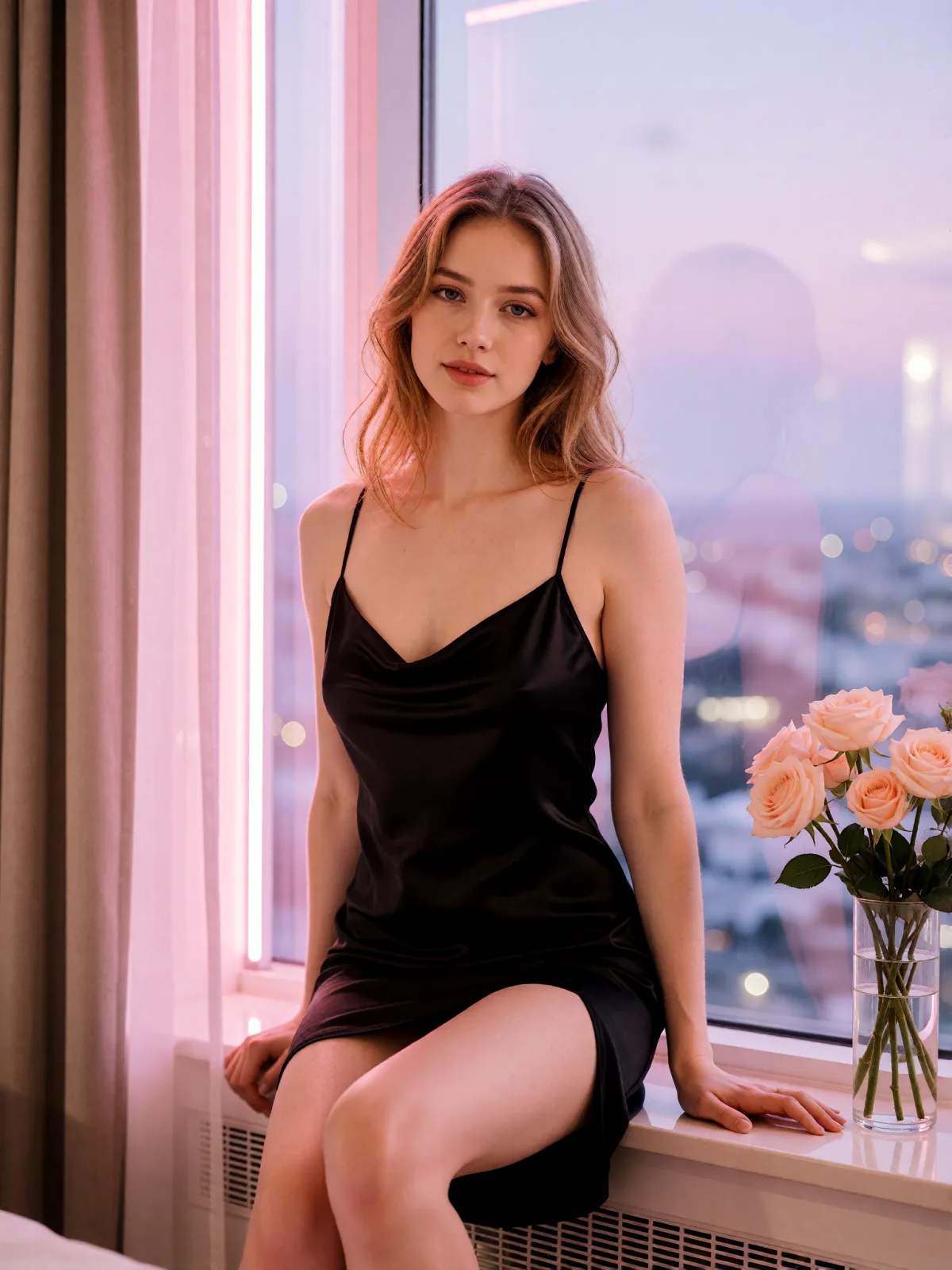
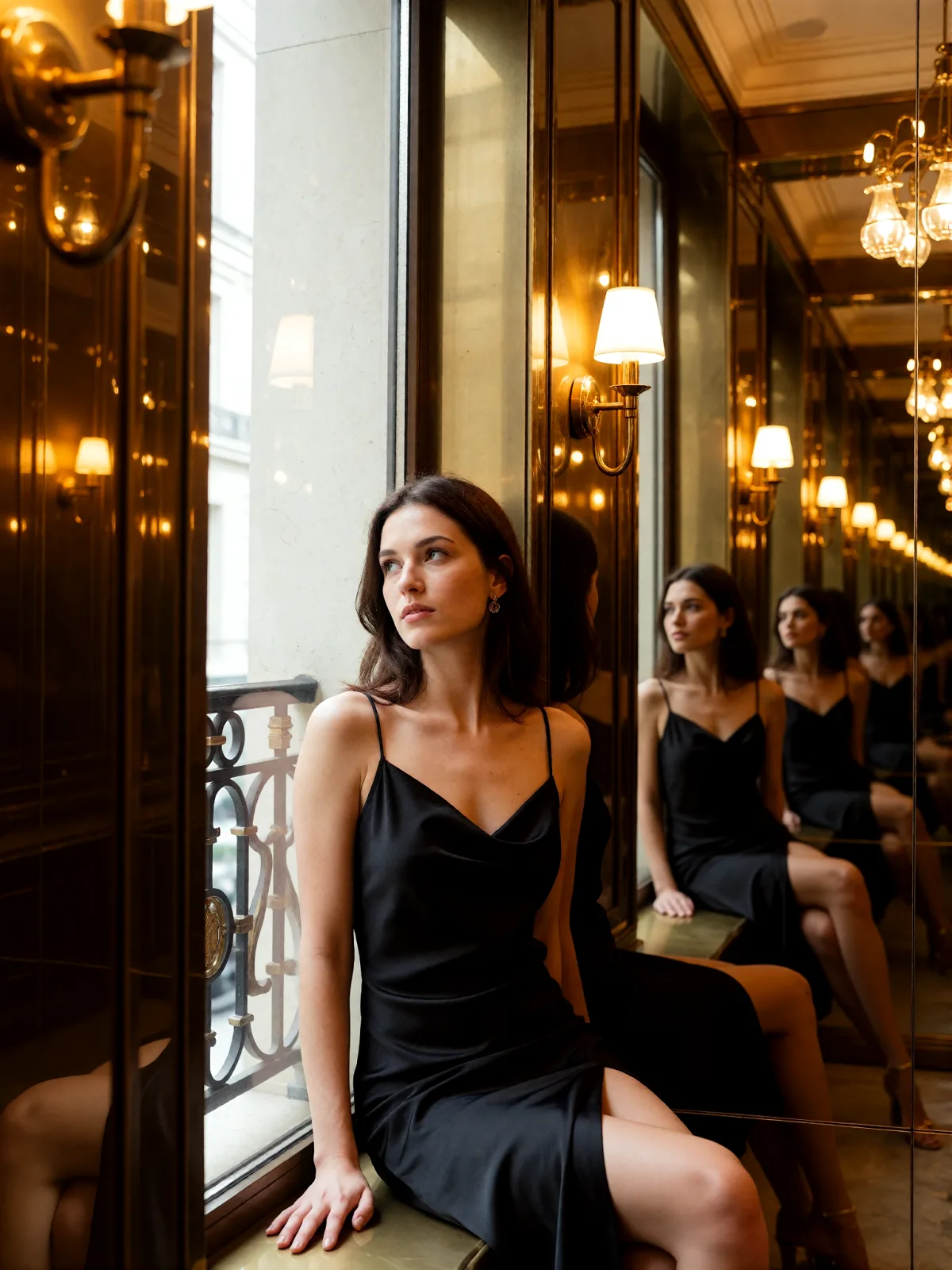
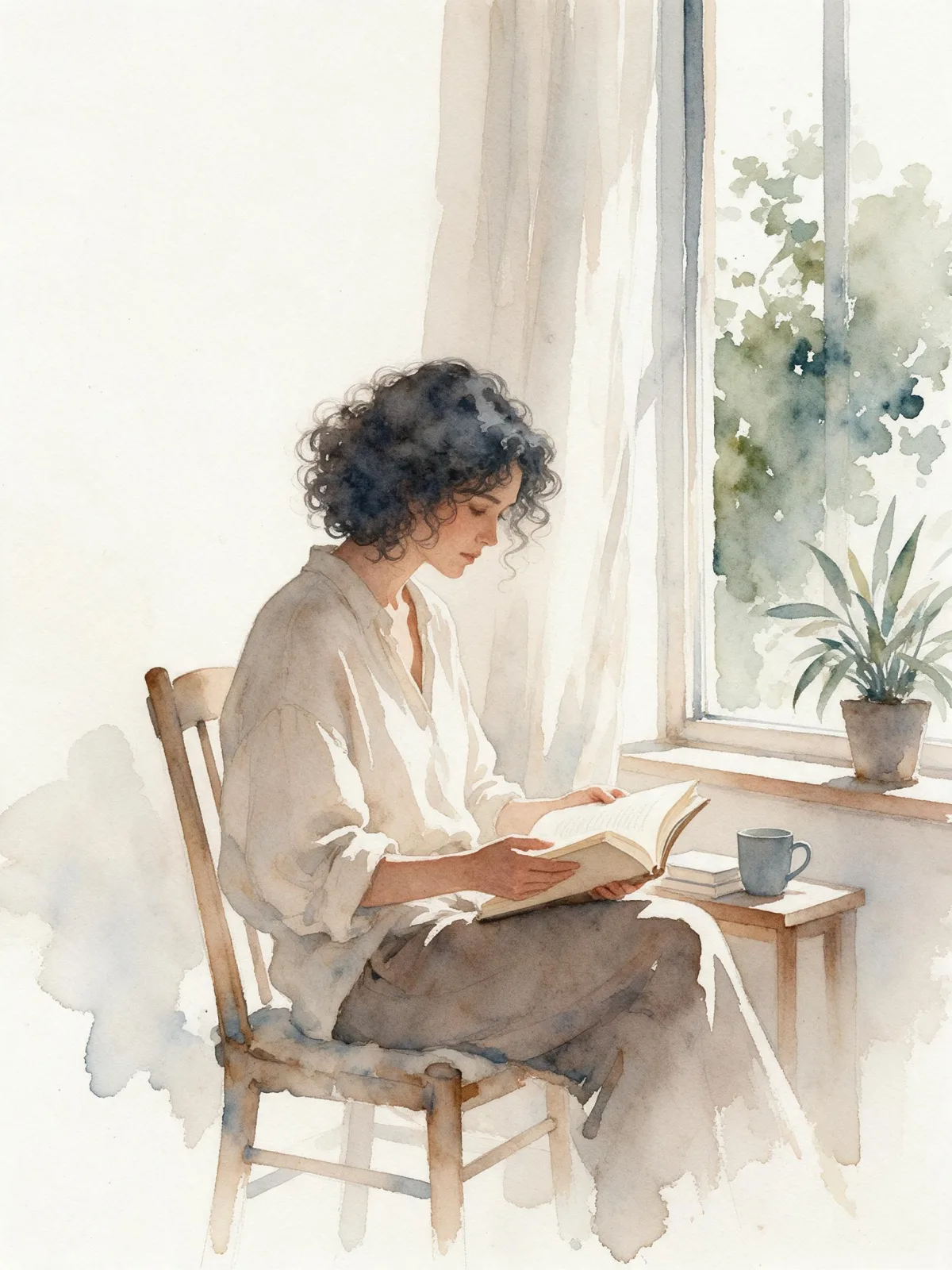
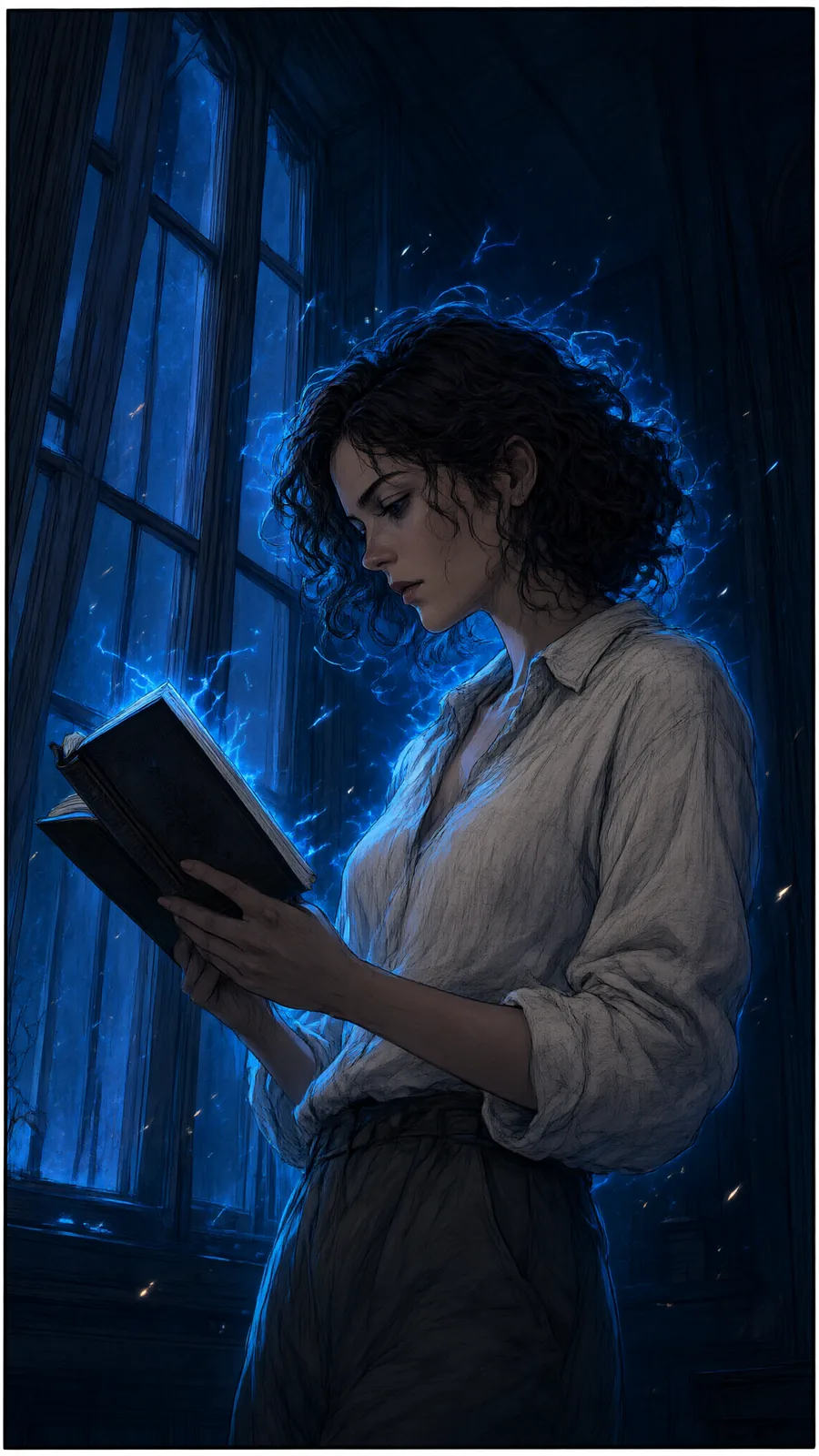
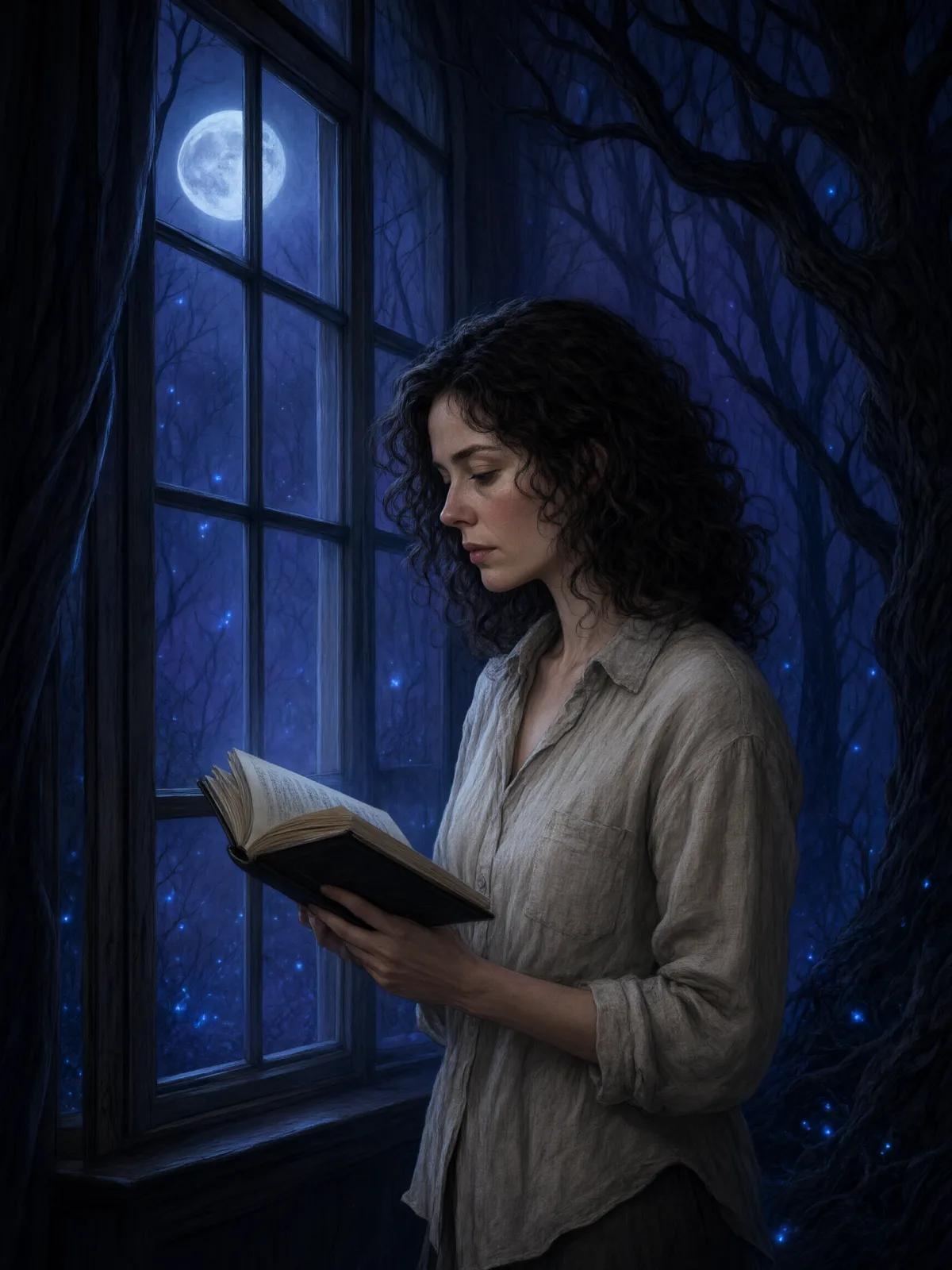
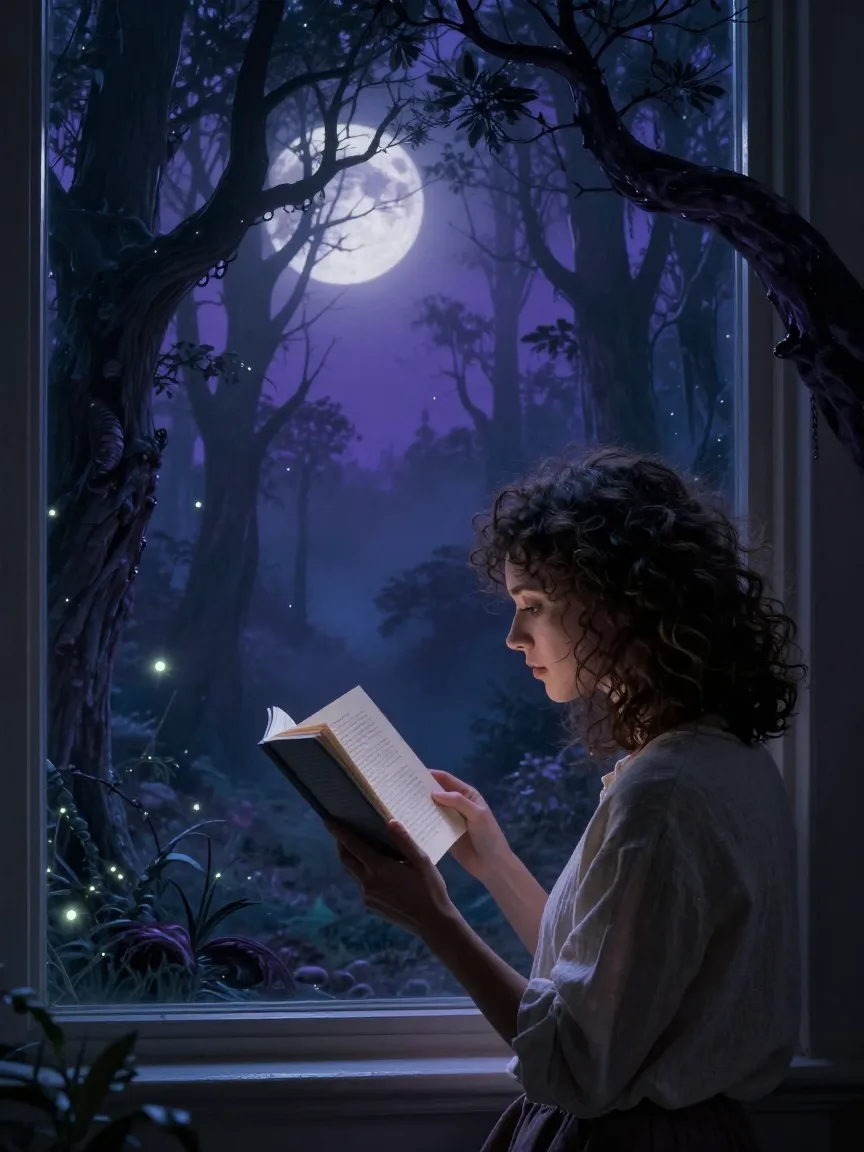
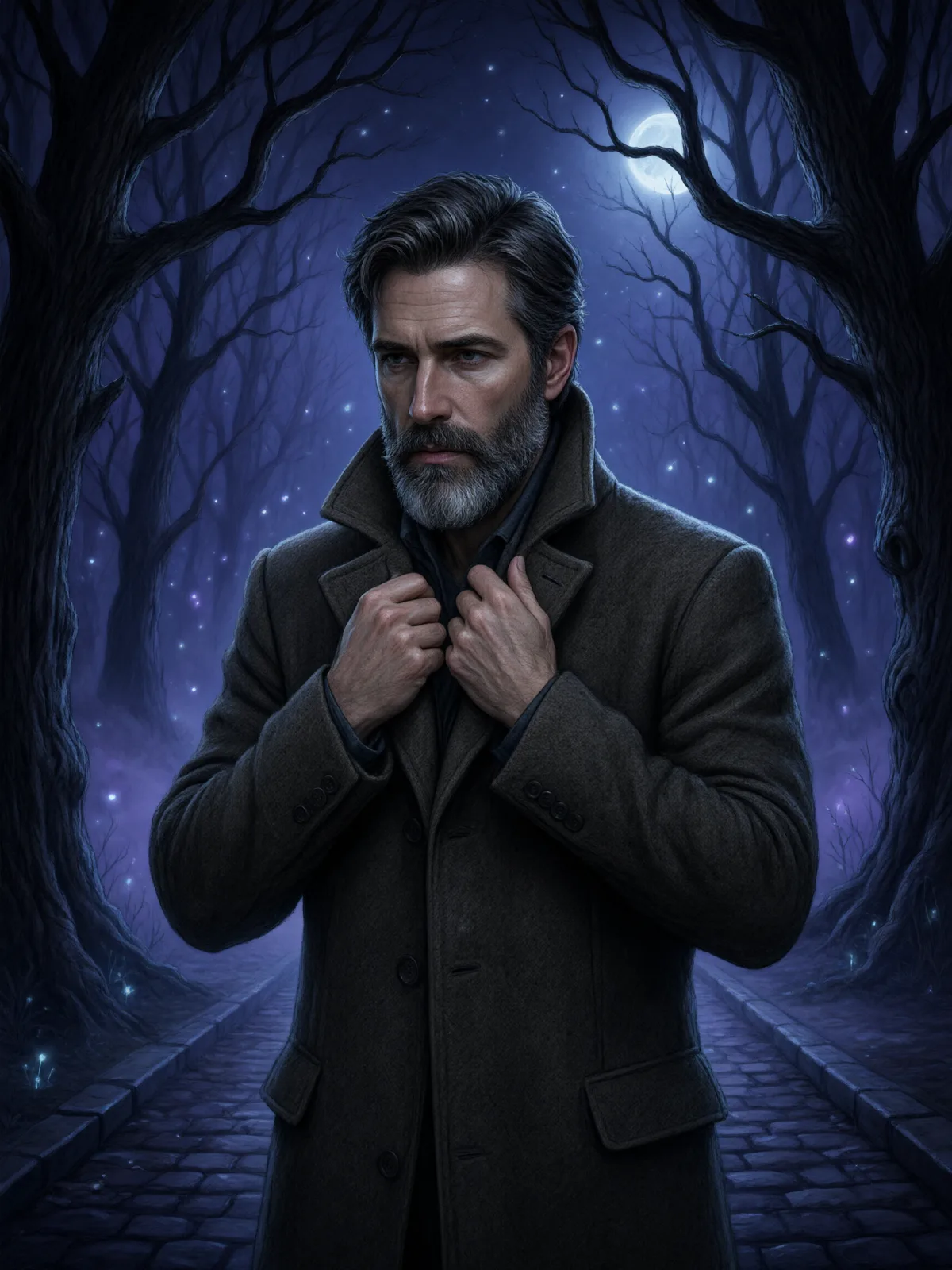
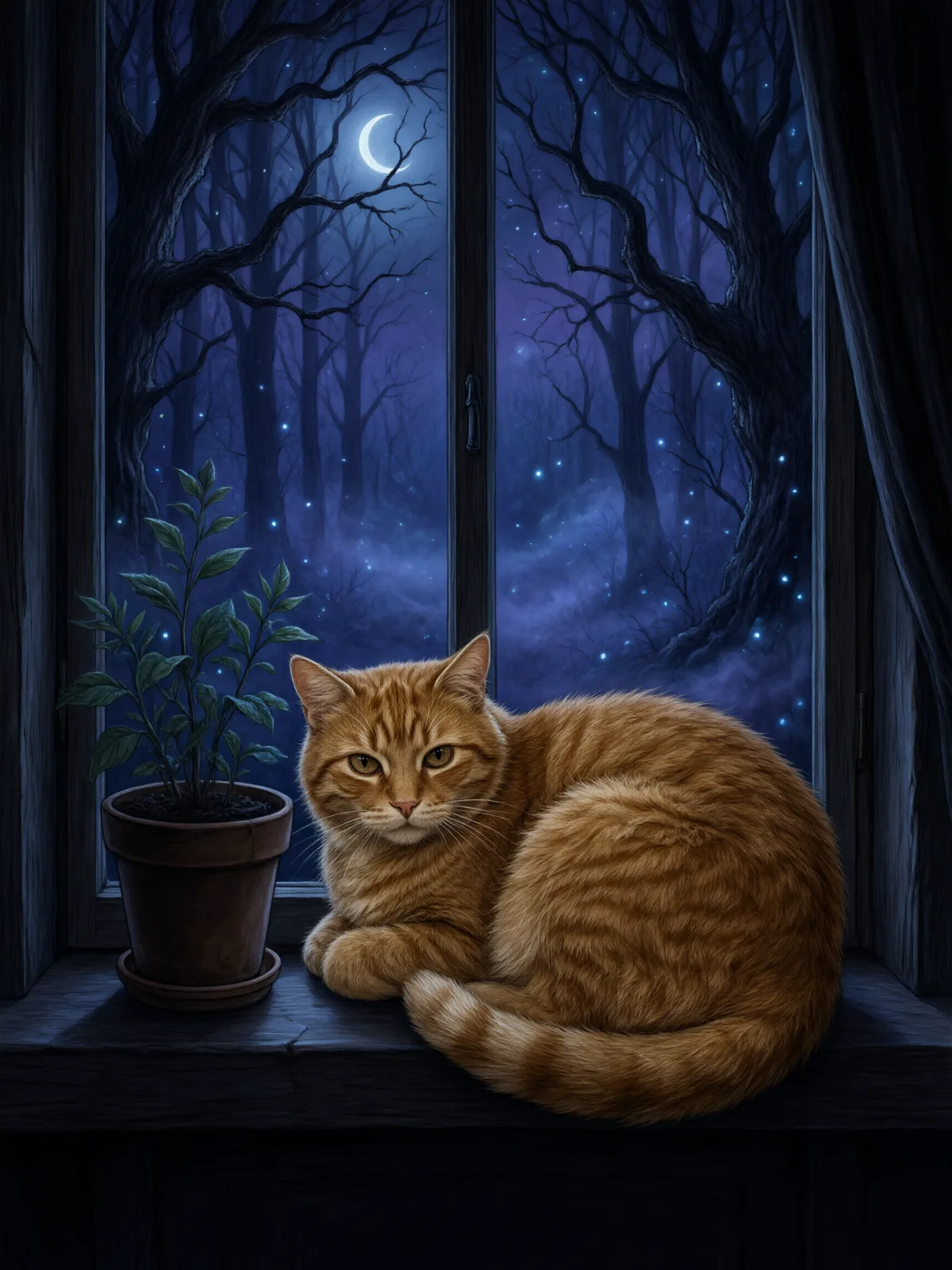
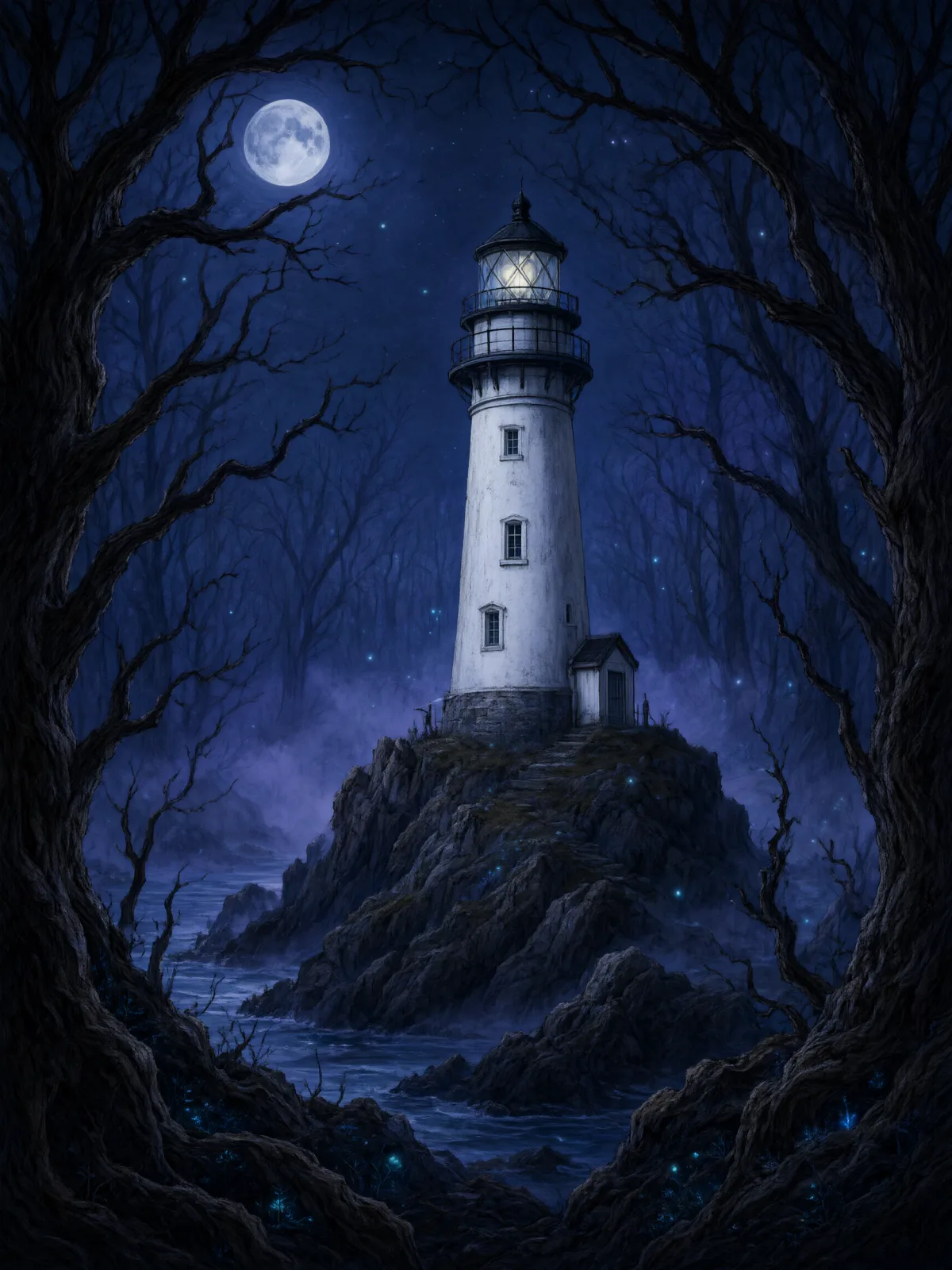
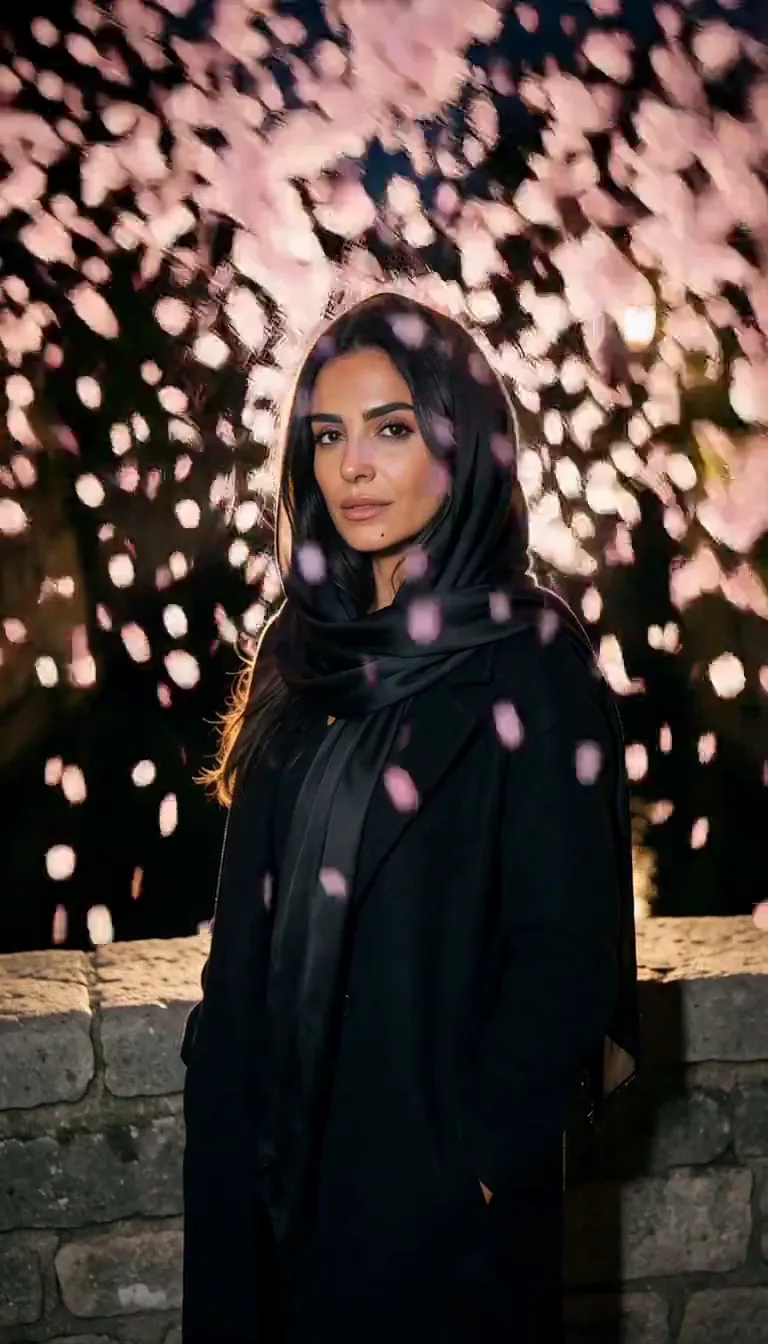
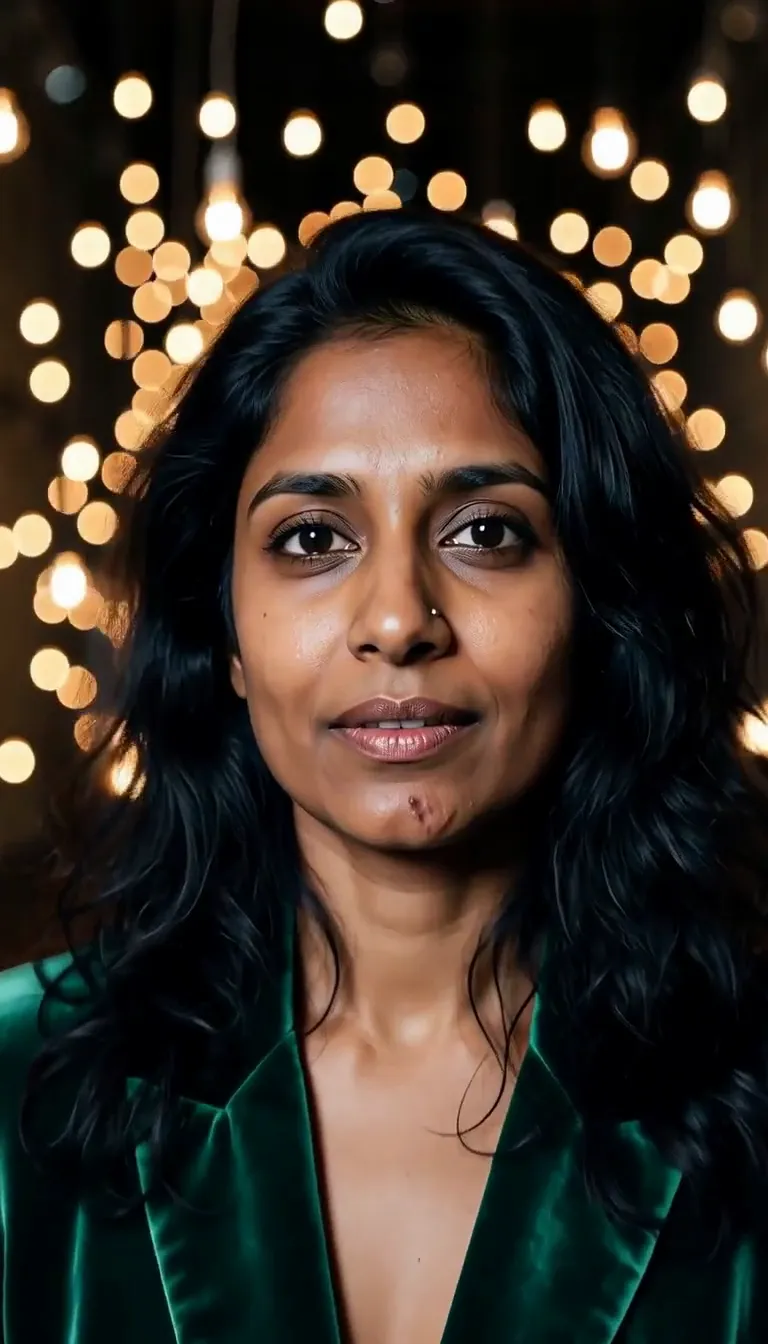
Dark Fairy Tale paints the subject into the part of the storybook that happens after dark. A pale moon hangs over an enchanted forest, blue-violet mist drifts between the trunks, and tiny bioluminescent specks float in the air like slow fireflies. Gnarled trees frame the scene in silhouette, the blacks are deep and velvety, and every surface carries the soft texture of paint on paper. It is mysterious rather than frightening: the hush of a forest that is listening.
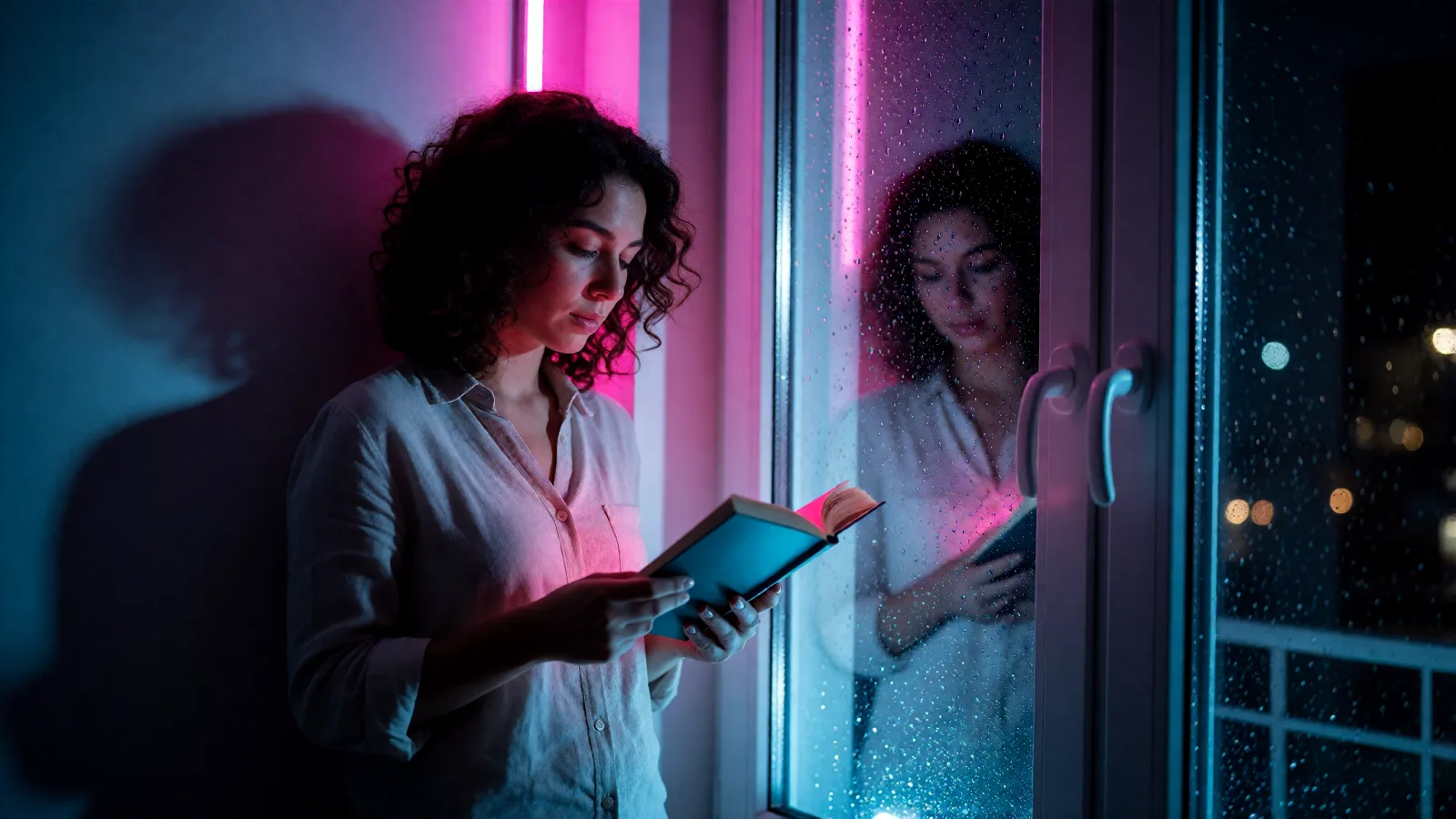
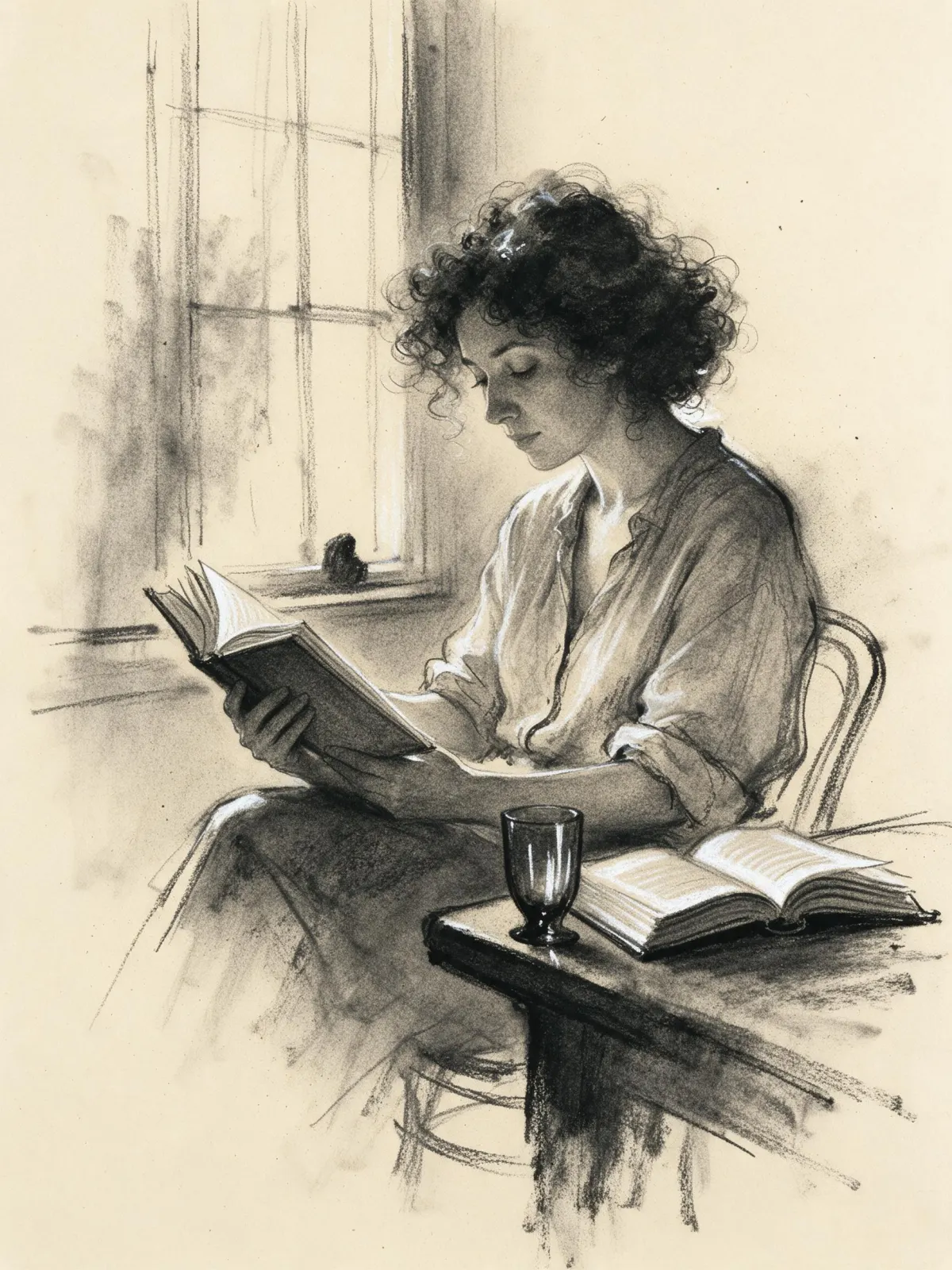
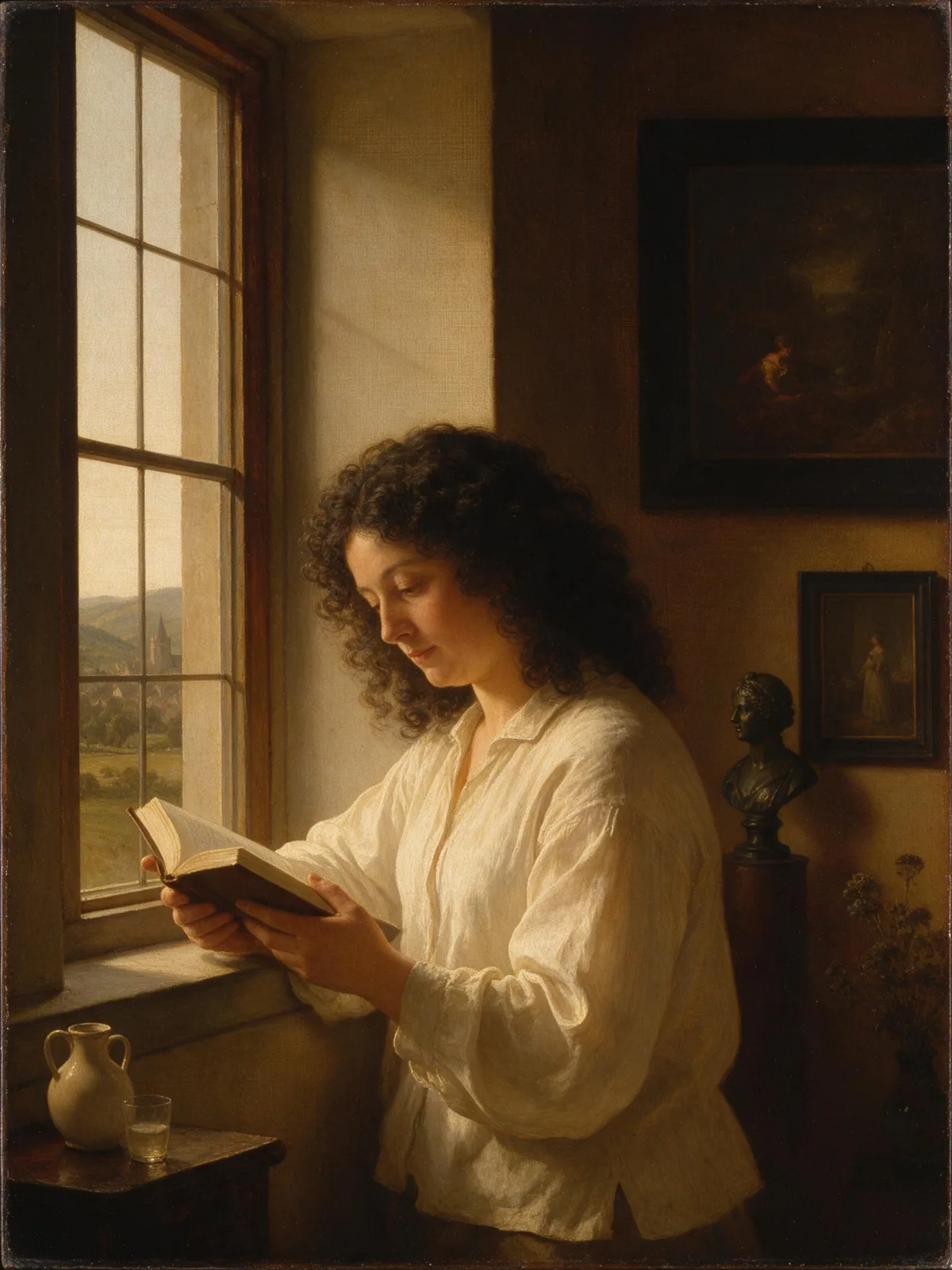
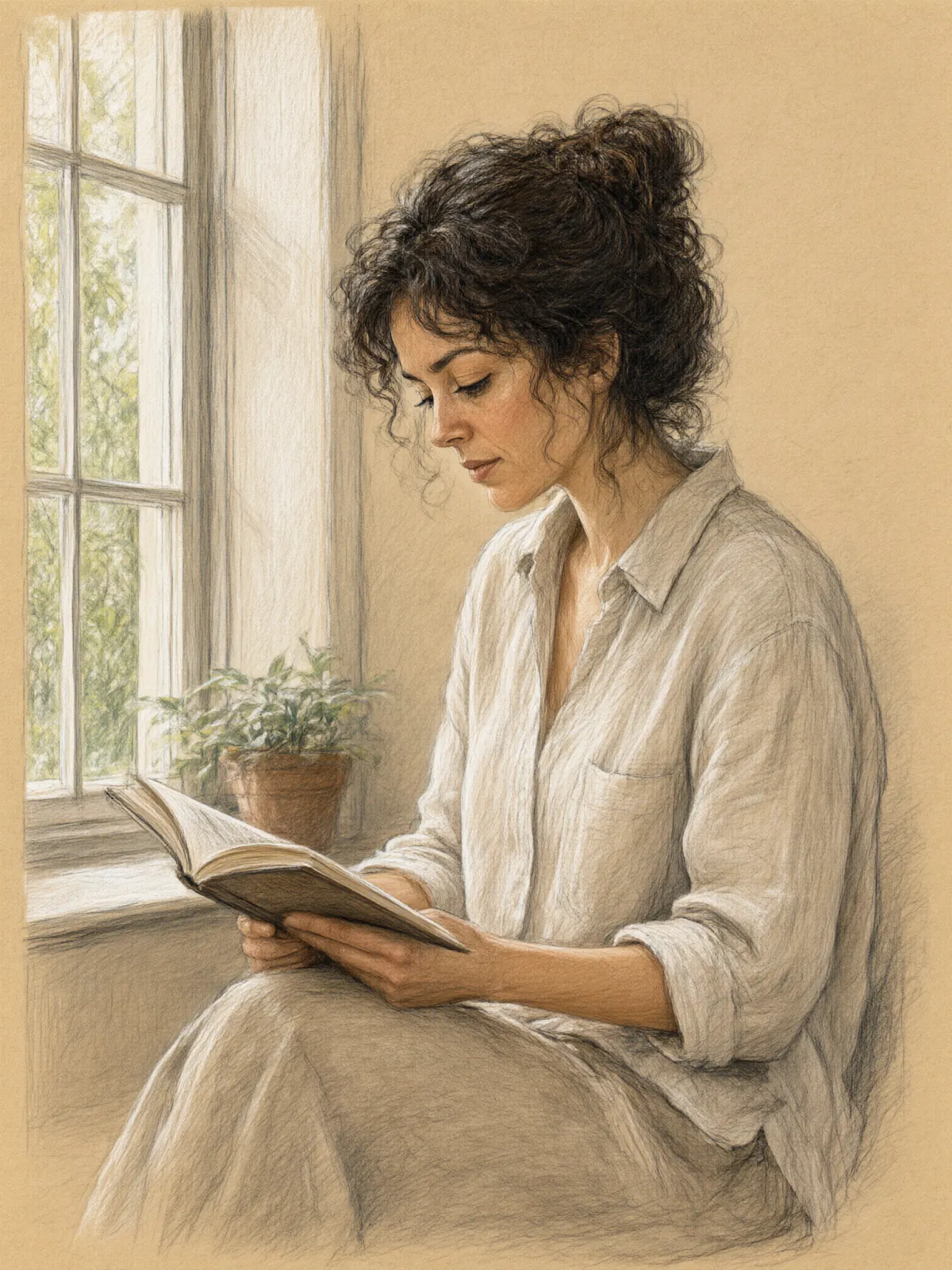
You write the subject; the style supplies the forest, the moon and the brush. It suits people, animals and places alike: a woman reading by a window at the forest edge, a man in a long coat walking a moonlit path, a cat with glowing eyes on a mossy stone, a lighthouse rising out of the mist like a tower from a tale. Quiet, still poses fit it best.
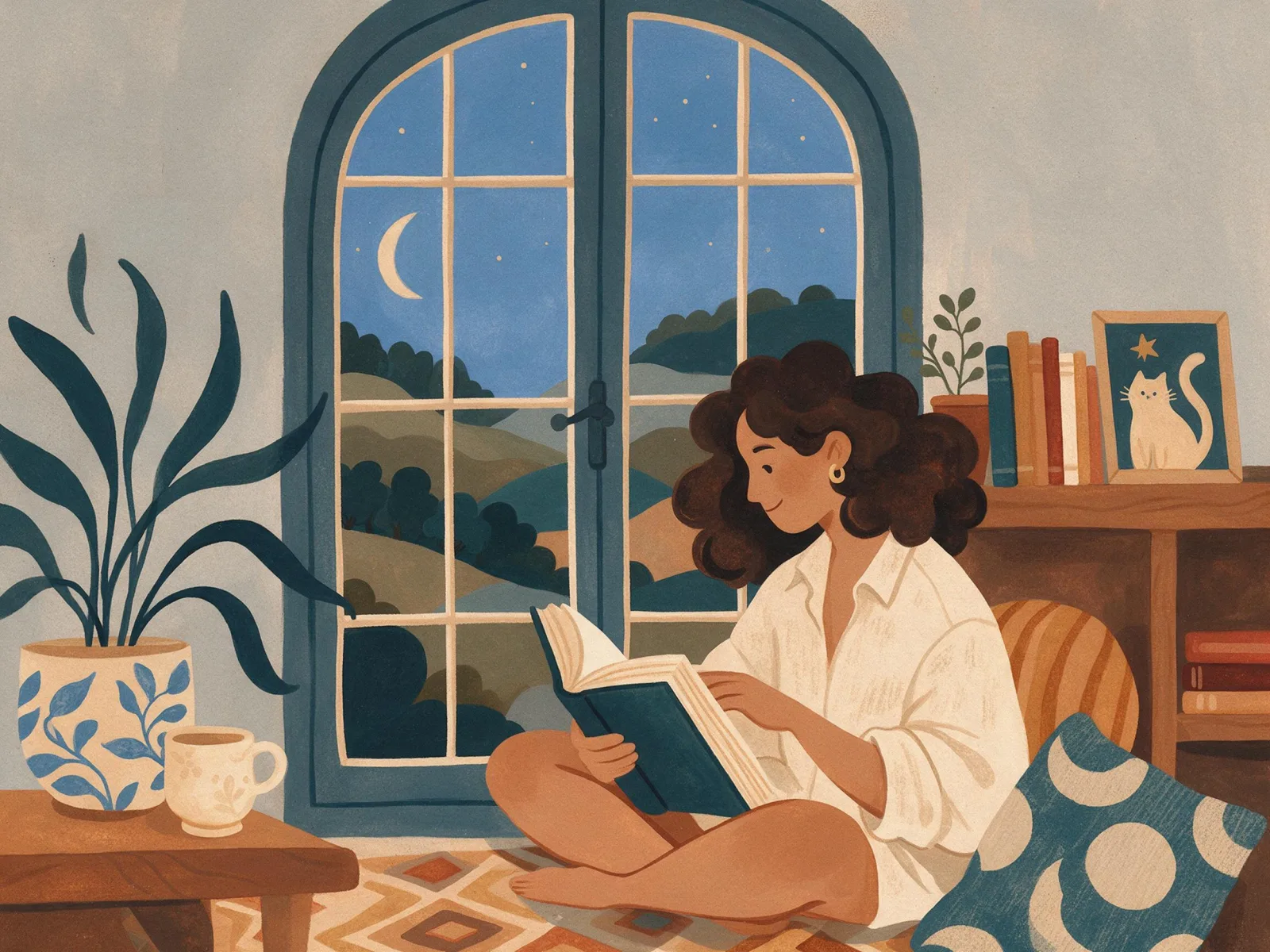
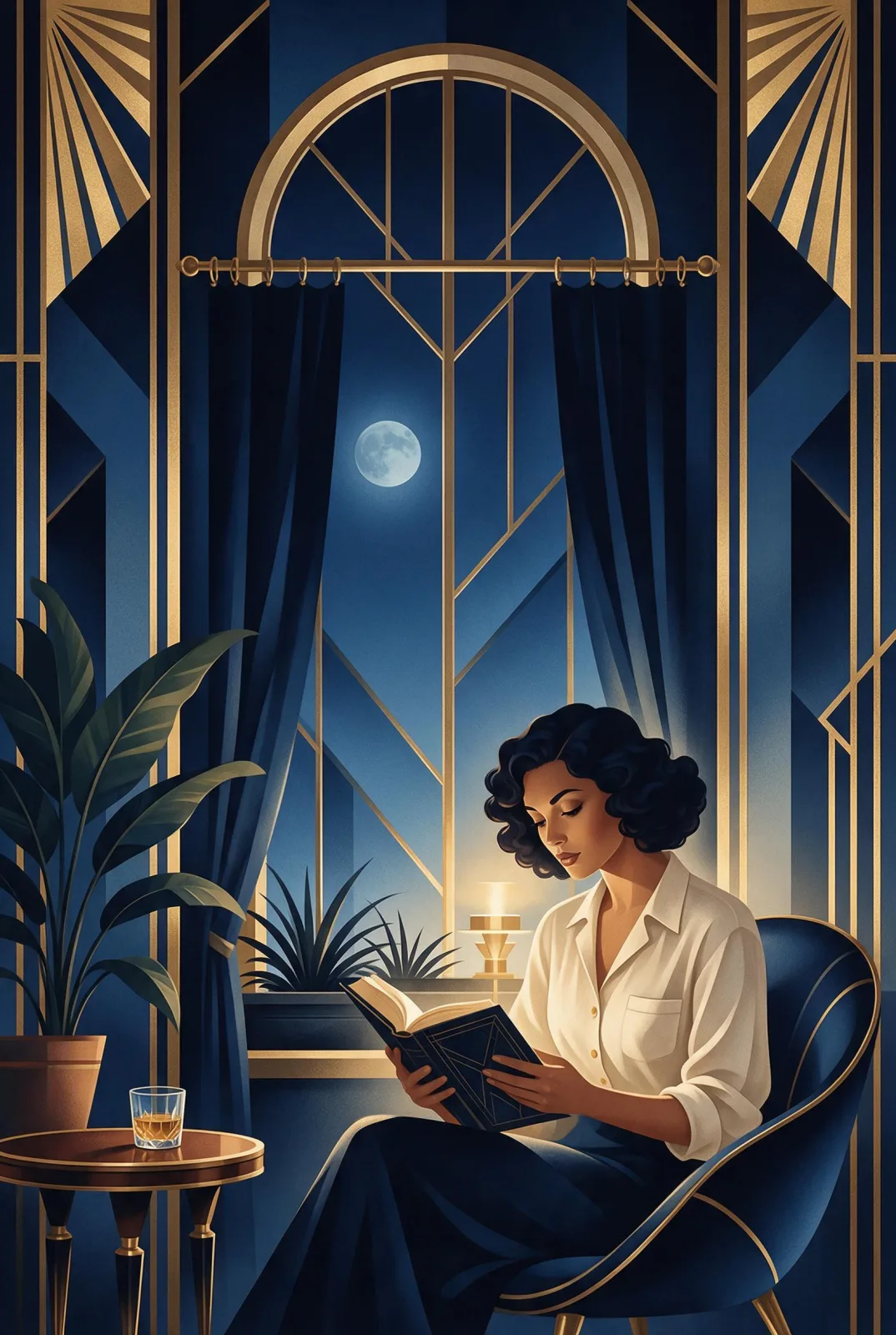
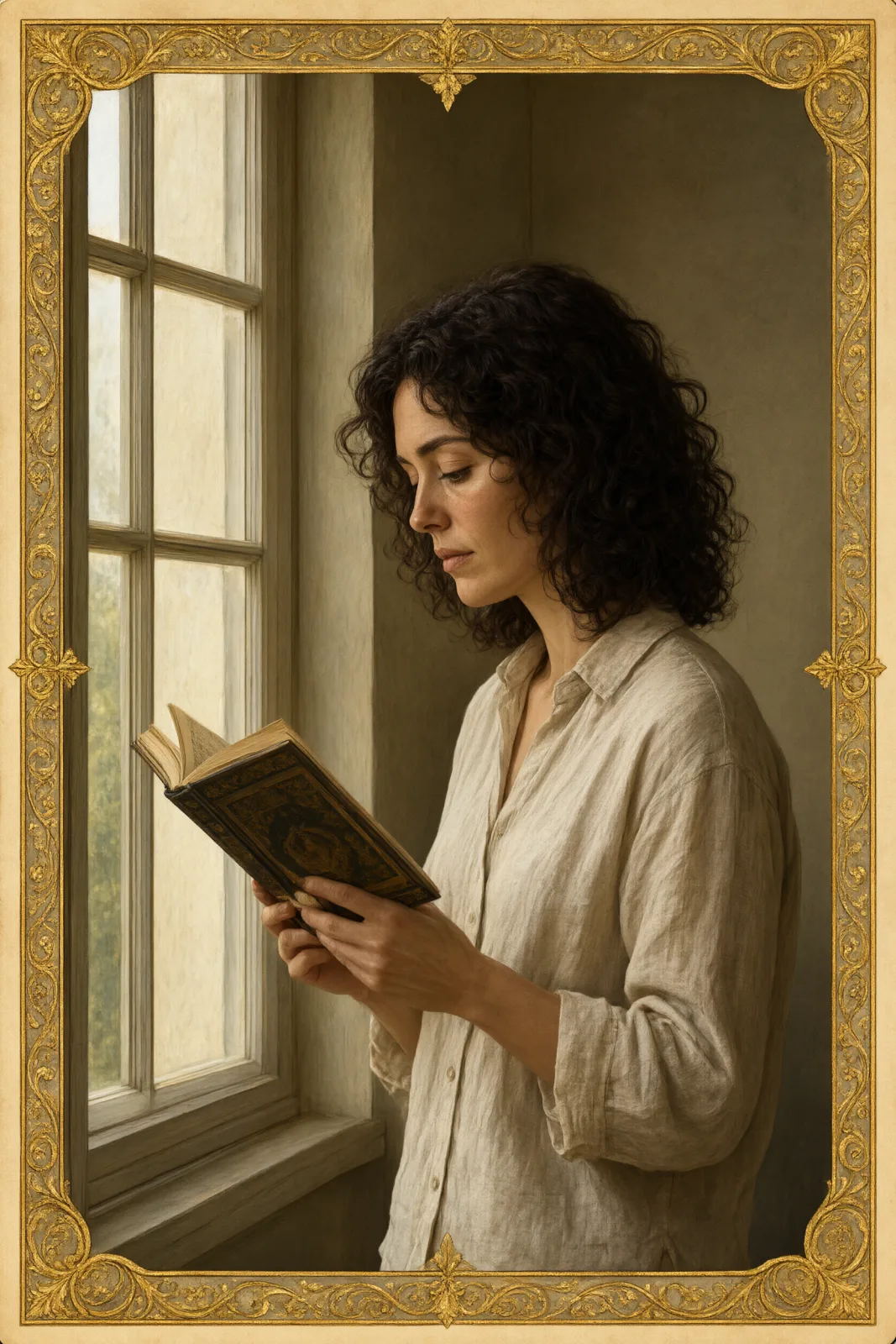
Use it for book covers and chapter art, fantasy game and tabletop art, album covers, candle and fragrance campaigns, and moody social posts. For bright, warm picture-book painting, use Storybook Gouache; for gilded 1920s night scenes, Deco Nocturne; for flat, symbolic card art, Tarot Gilt.
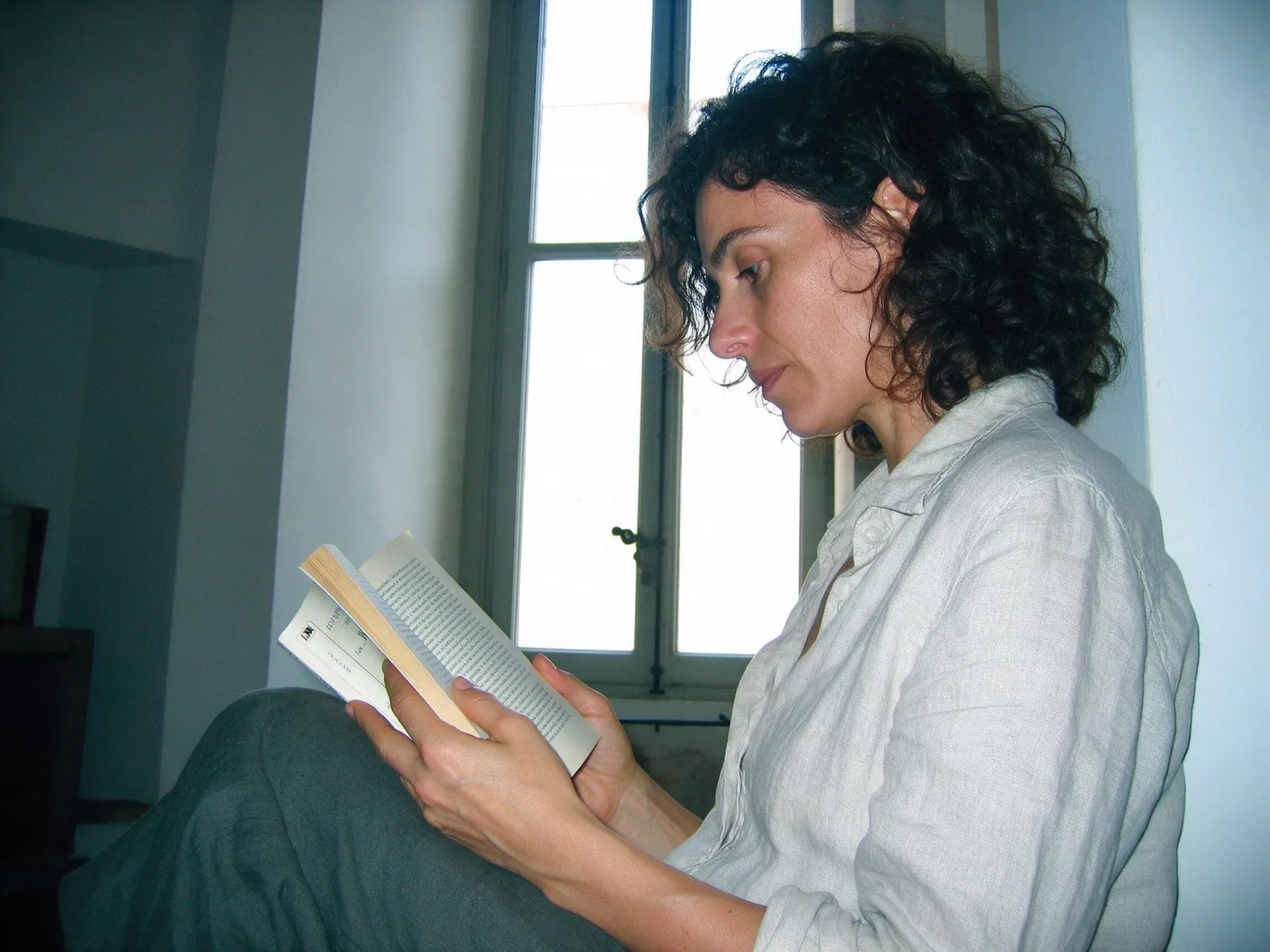
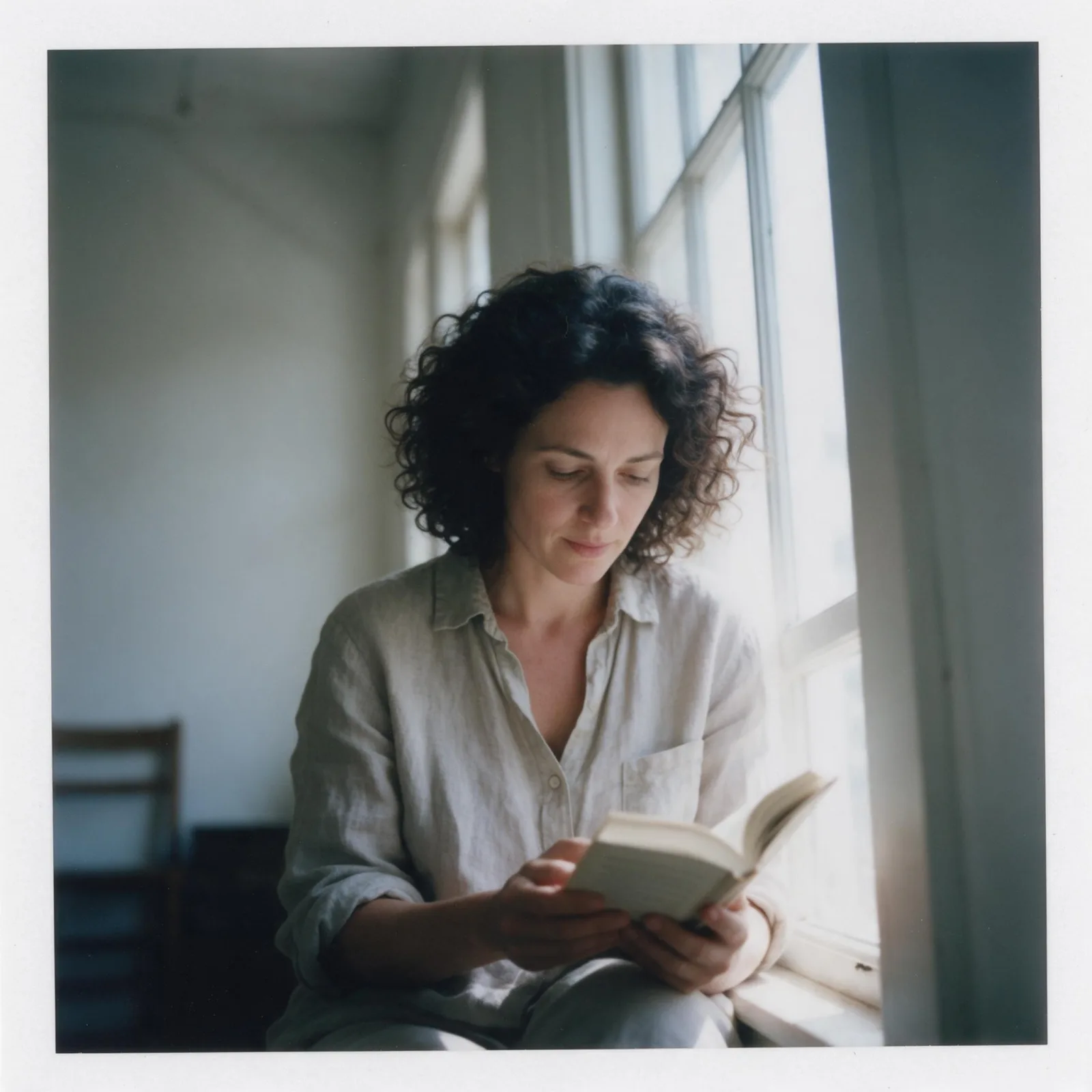
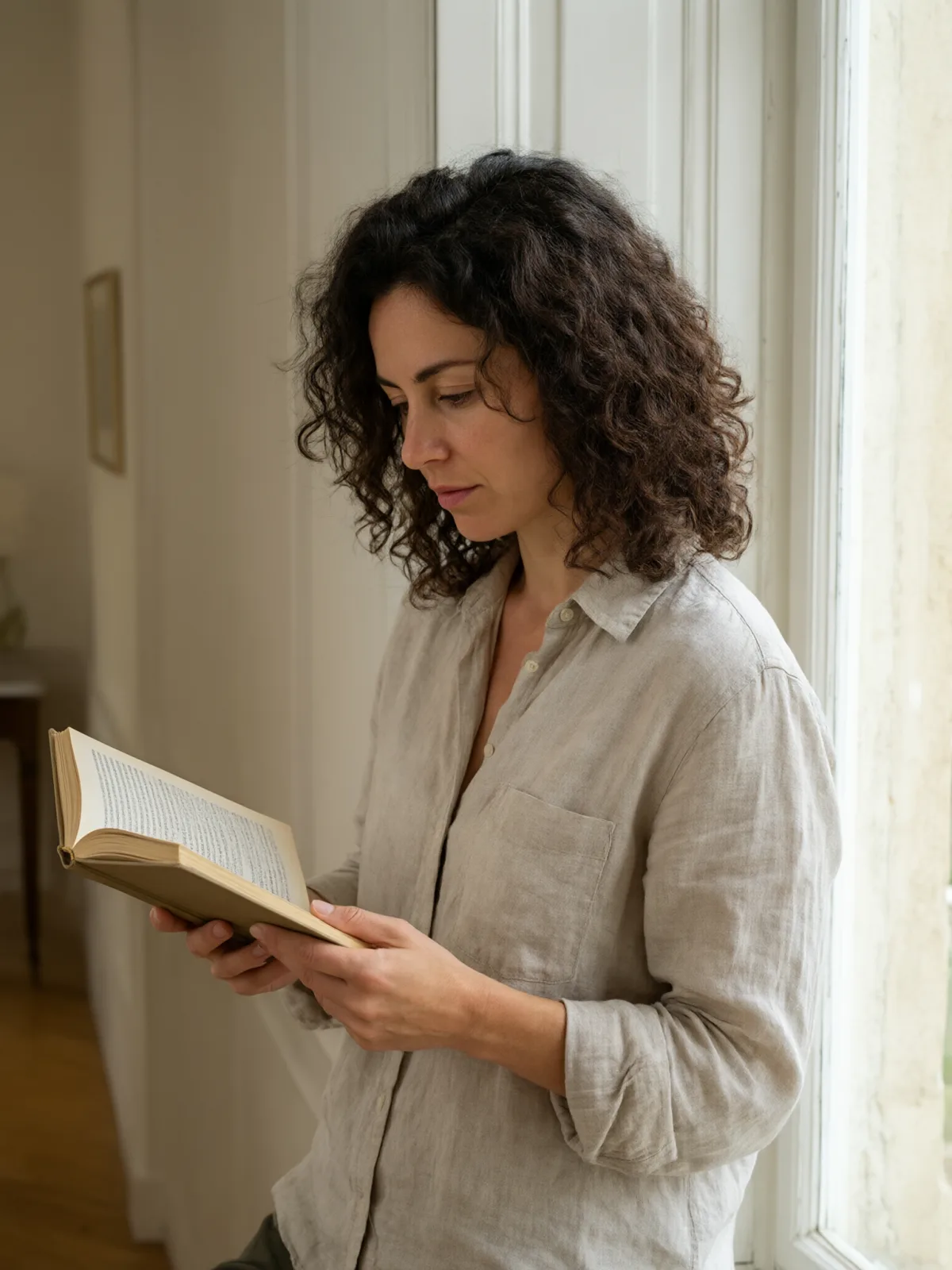
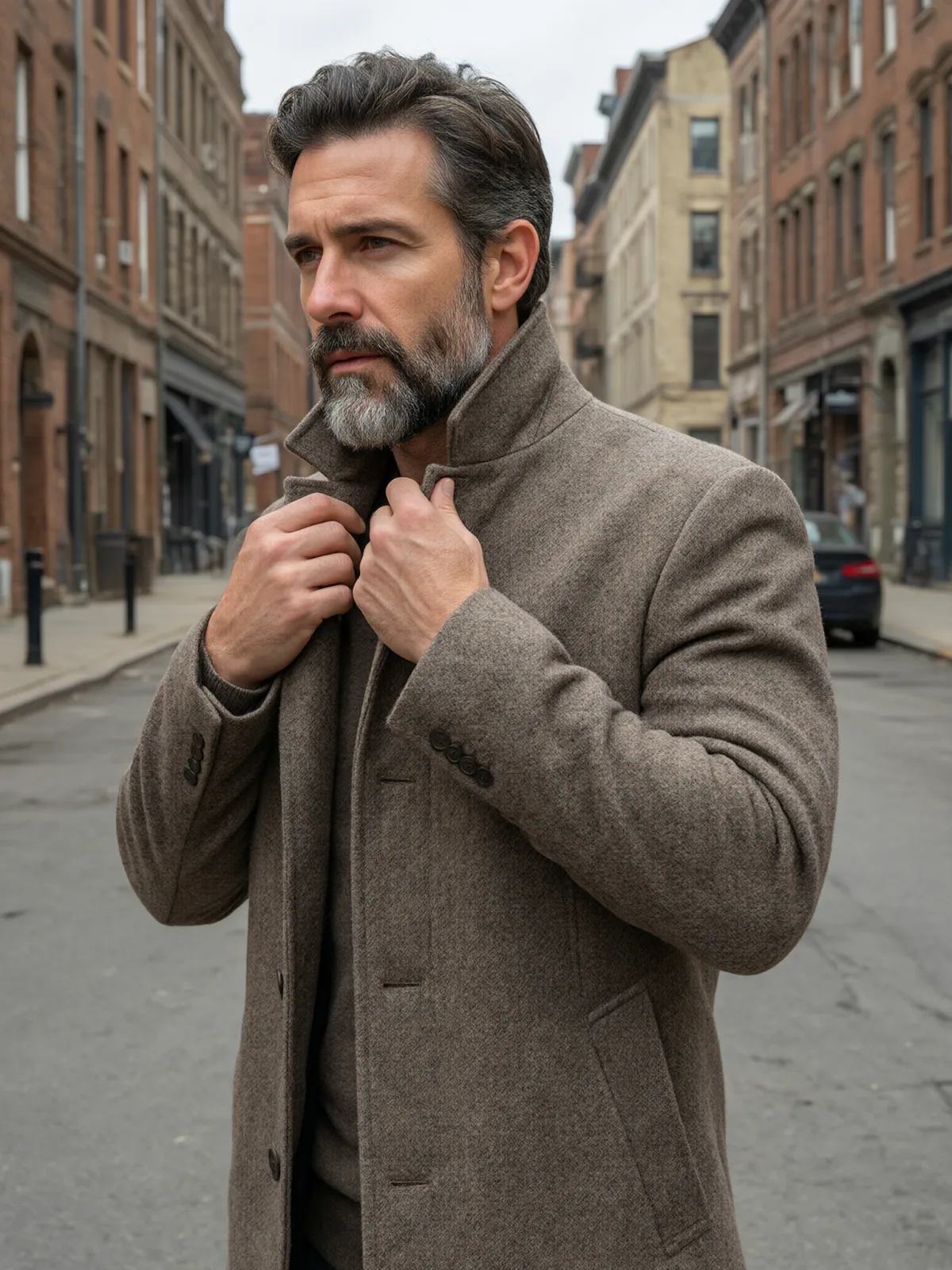
For this composition, we recommend 3:4, with 2:3 as another framing option. Dark Fairy Tale also works on an uploaded image: in image-to-image mode it repaints your photo with moonlit blue-violet mist, tiny glowing specks and a storybook texture, and keeps the composition, pose and clothing unchanged.
Subjects to paste as they are: “an adult woman in a hooded velvet cloak holding a lantern”, “an adult man in a long coat on a mossy forest path”, “a small stone cottage with one lit window”. A single warm light in the scene makes the blue night feel even deeper.
Finishes that work on top: Soft Bloom for a dreamier, more glowing night, Monochrome for an ink-and-wash storybook plate. Golden Hour is switched off here, because warm sunset light would break the moonlit spell.