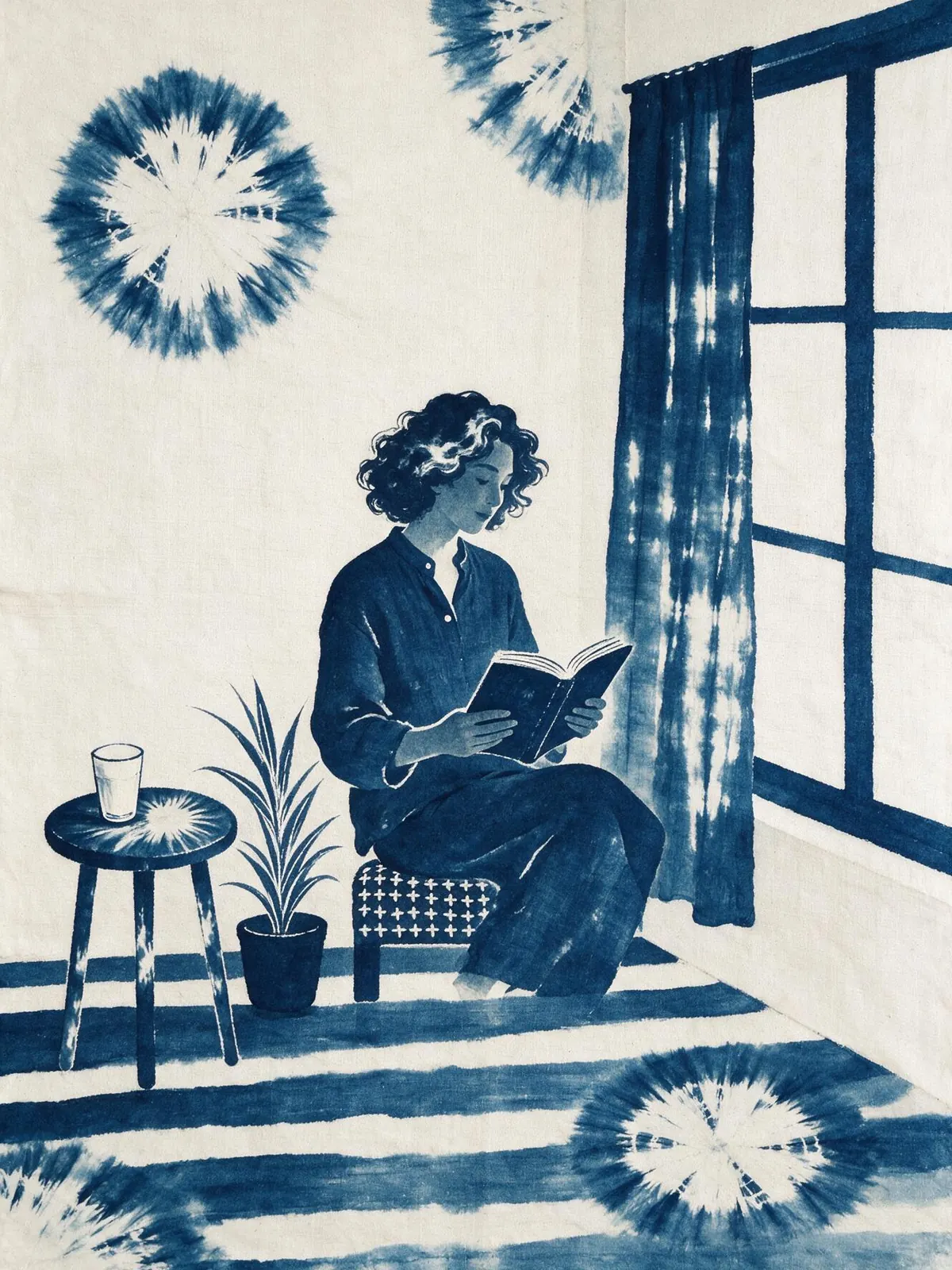
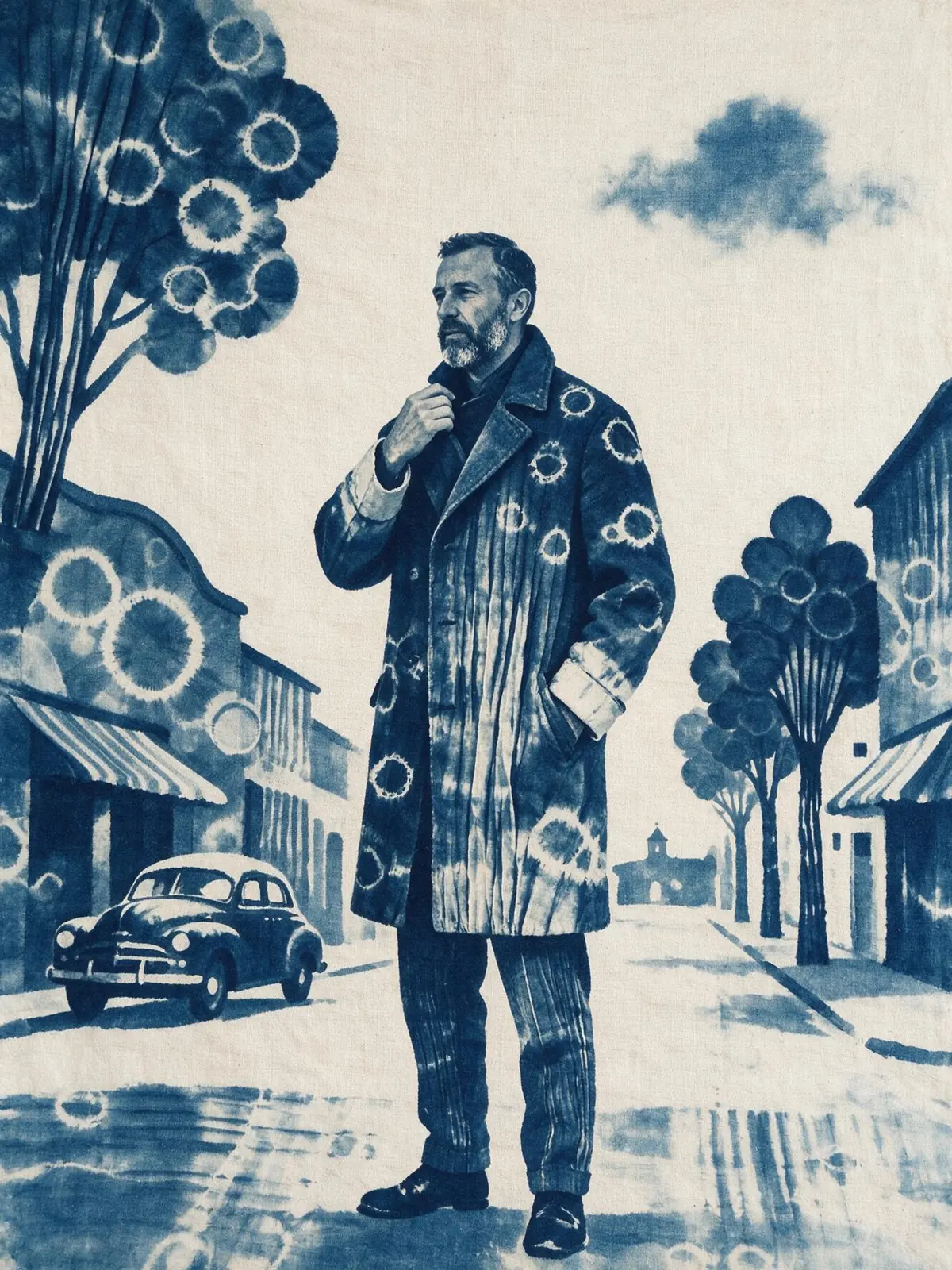
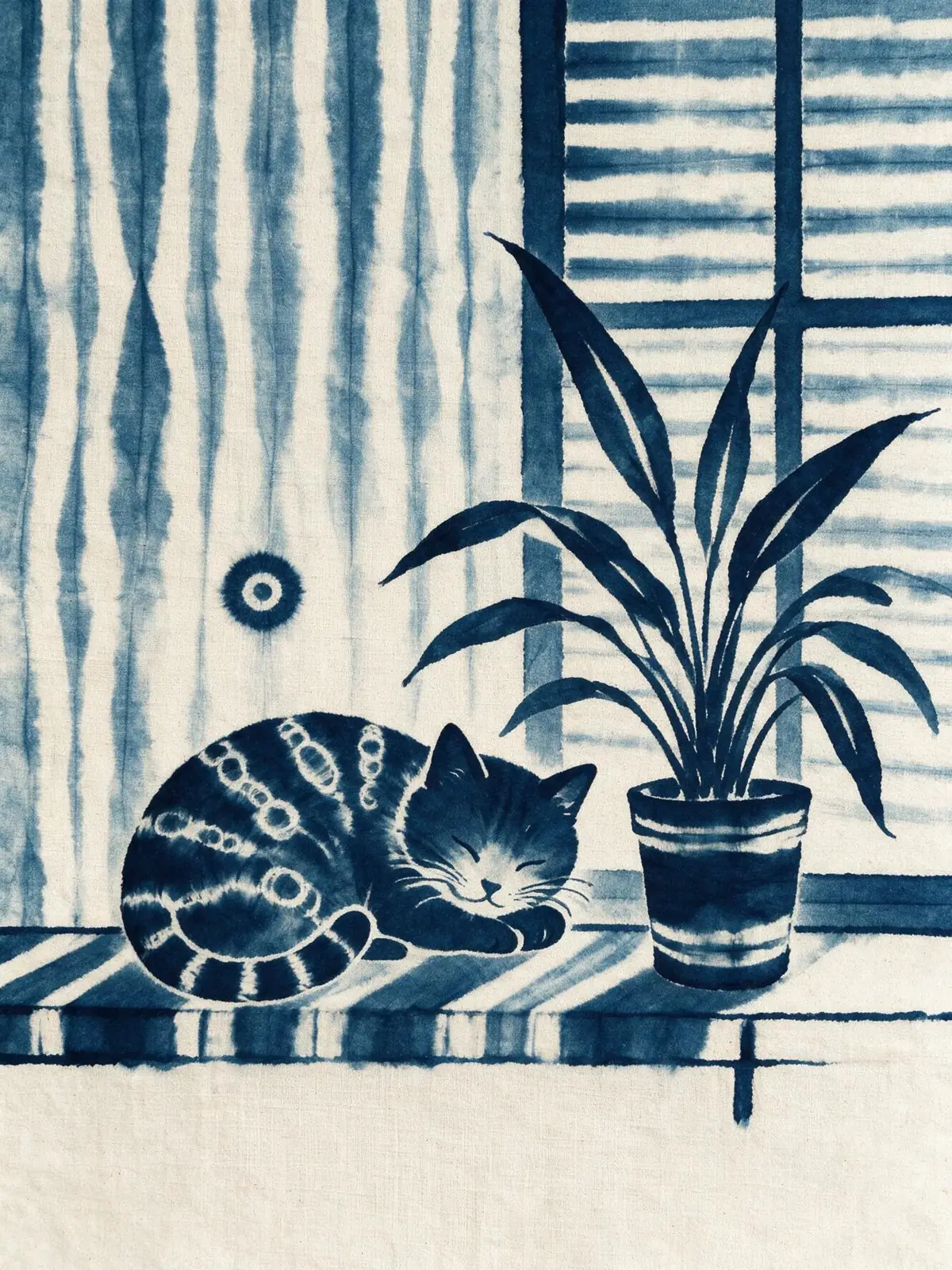
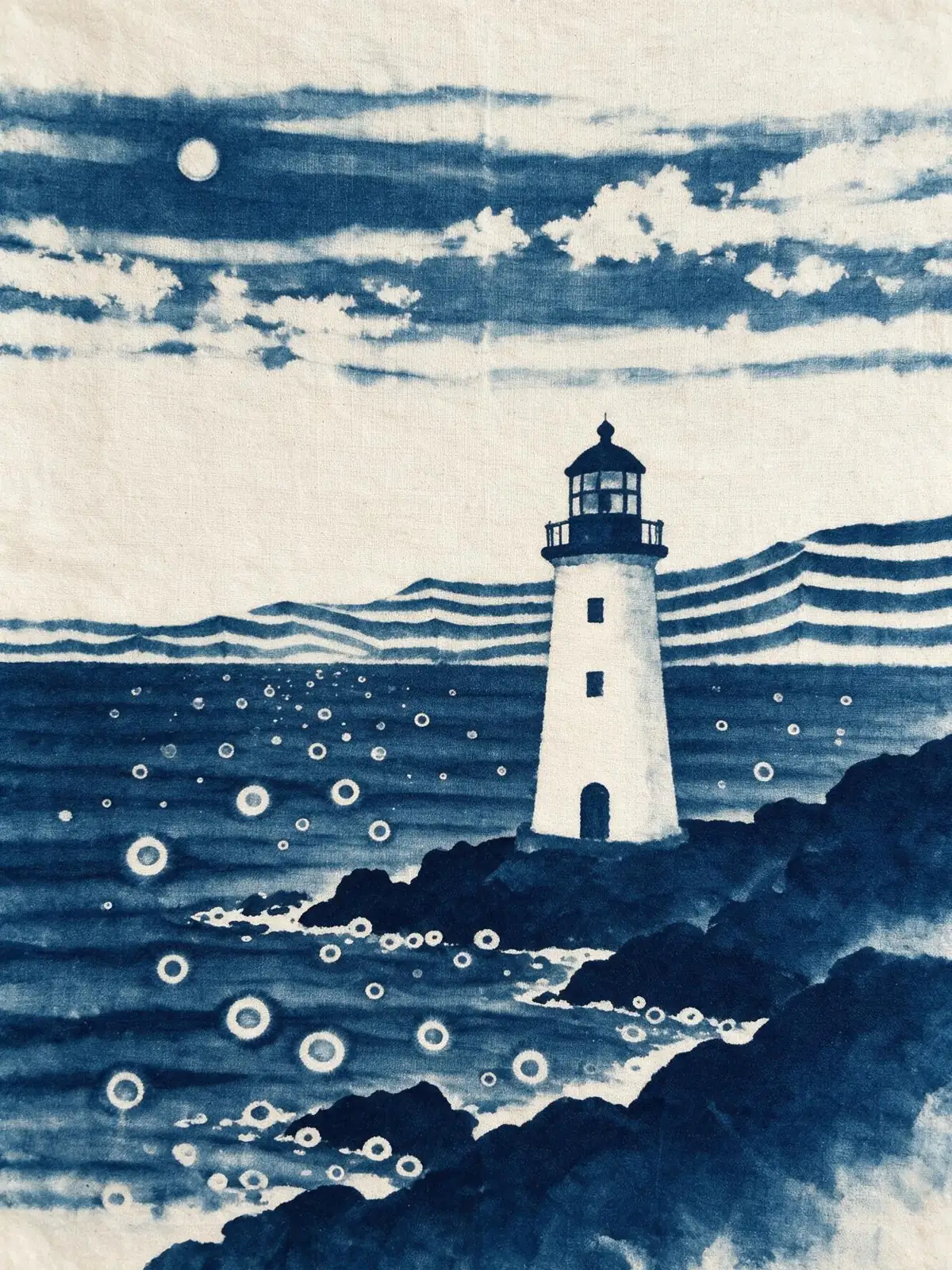
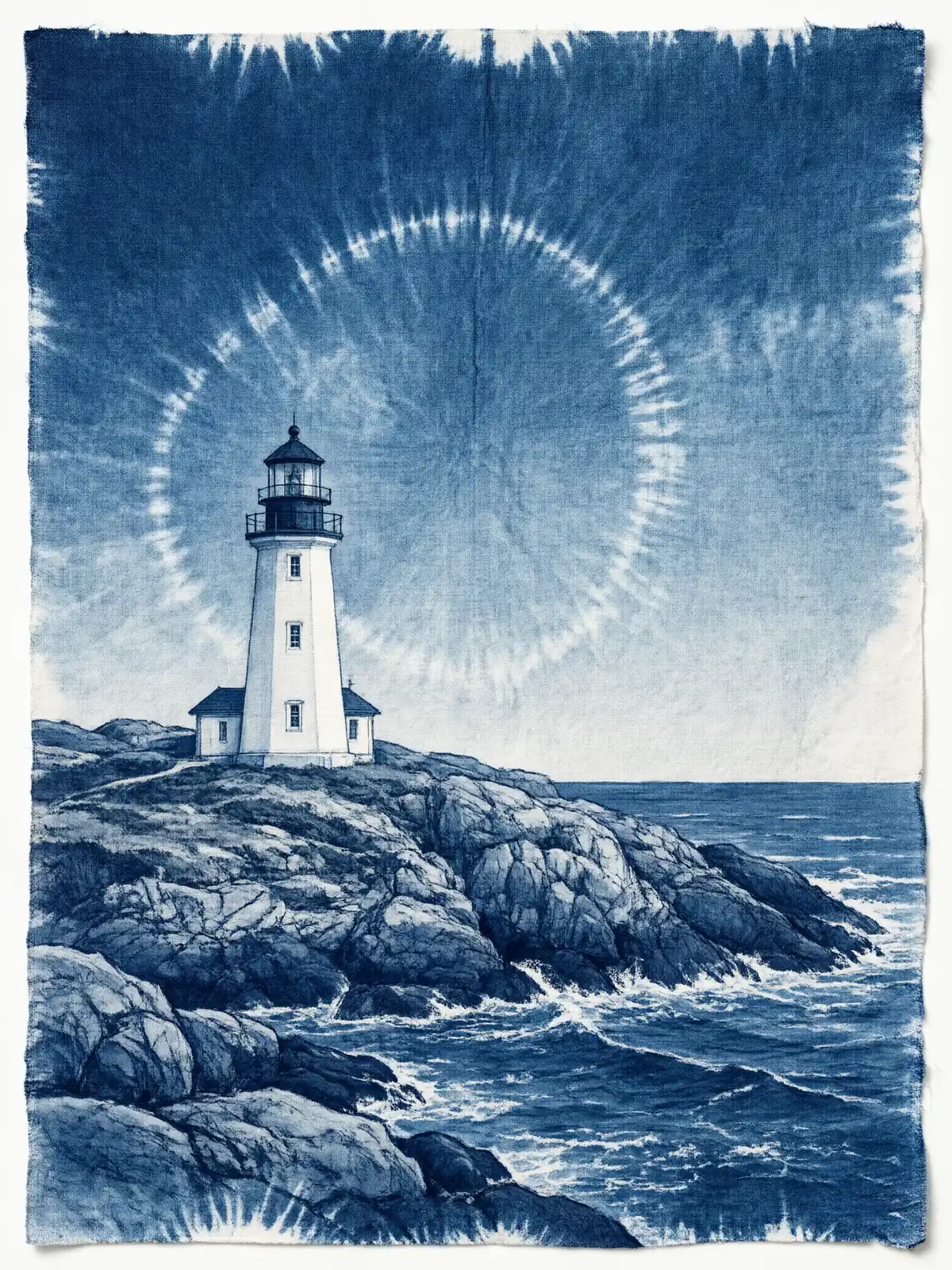
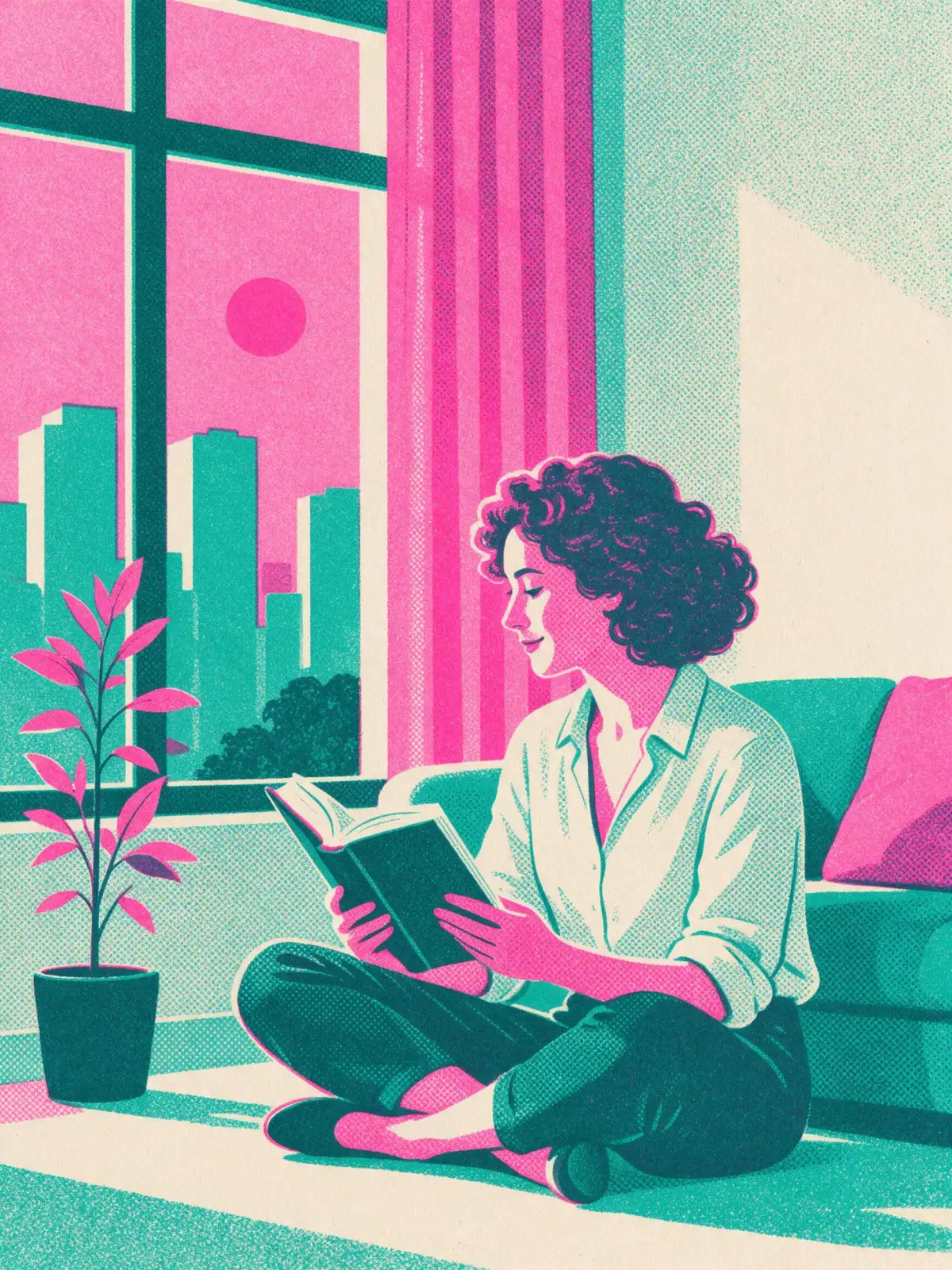
Indigo Shibori renders your subject as a hand-dyed indigo textile. Everything is built from resist-dye marks — bursts of rings where the cloth was bound, stripes where it was folded — in deep indigo on undyed cotton white. The edges bleed softly the way dye really travels through fibers, the weave of the cloth shows through, and the composition stays calm and flat, like a length of fabric pinned to a wall.
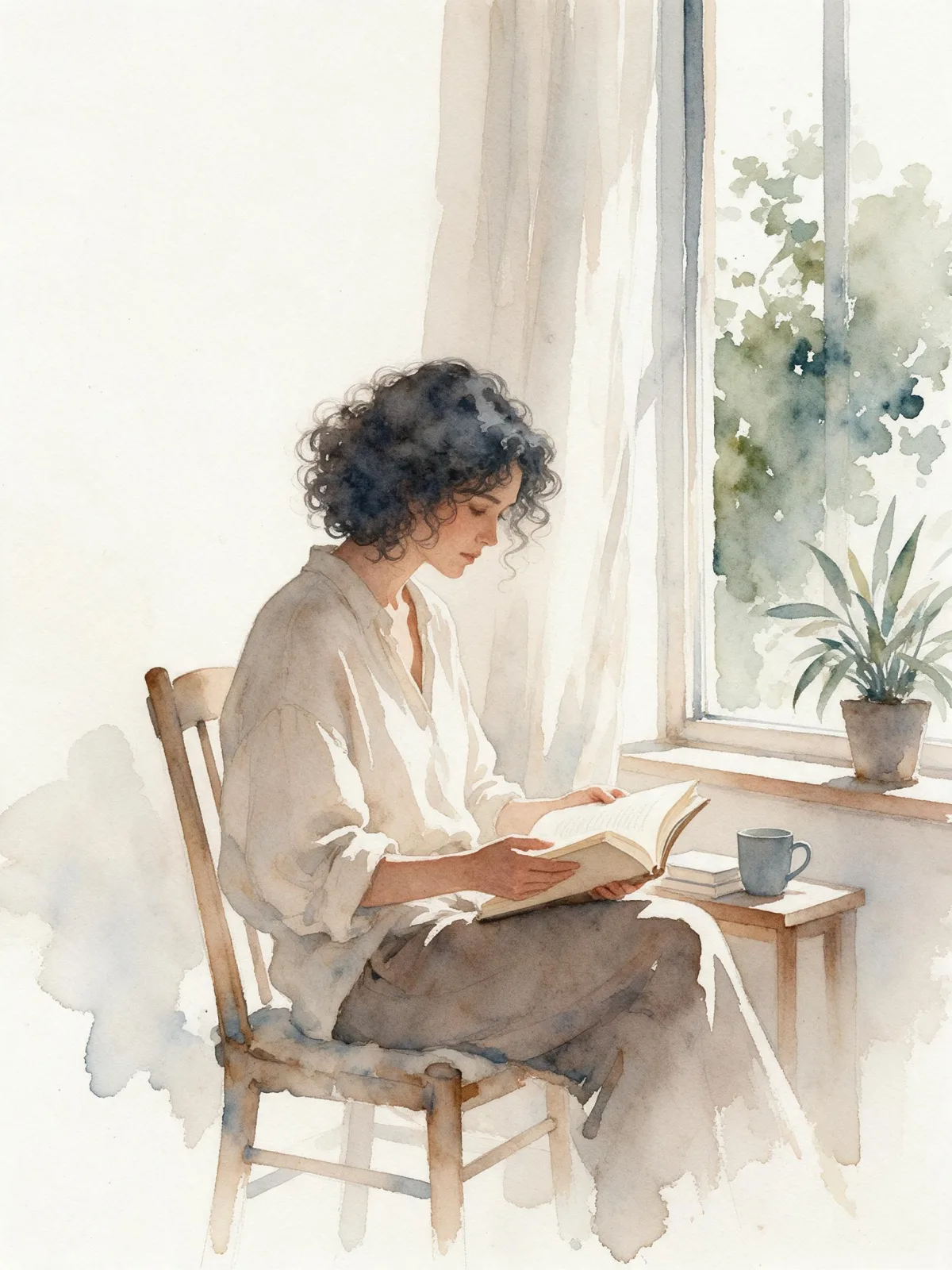
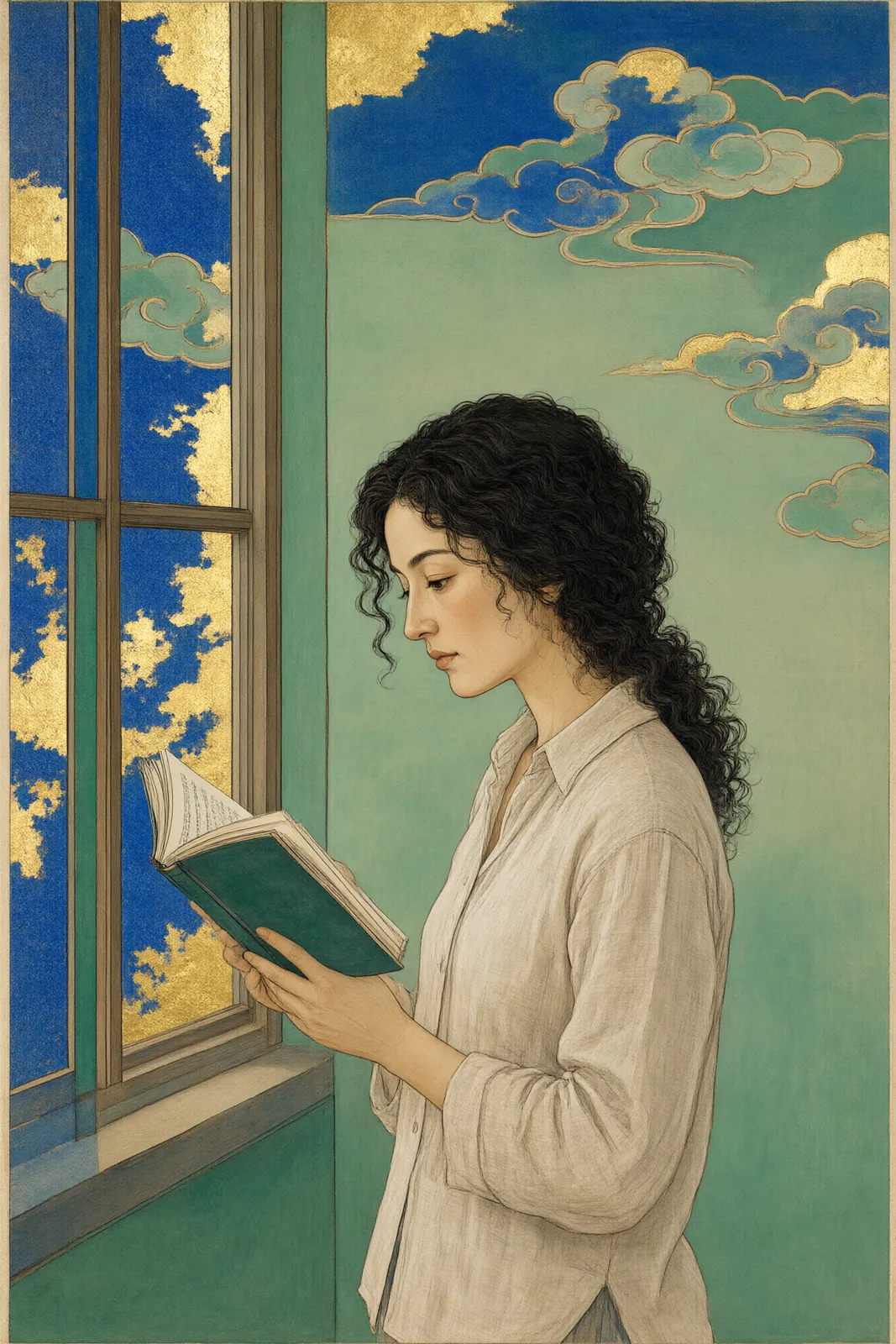
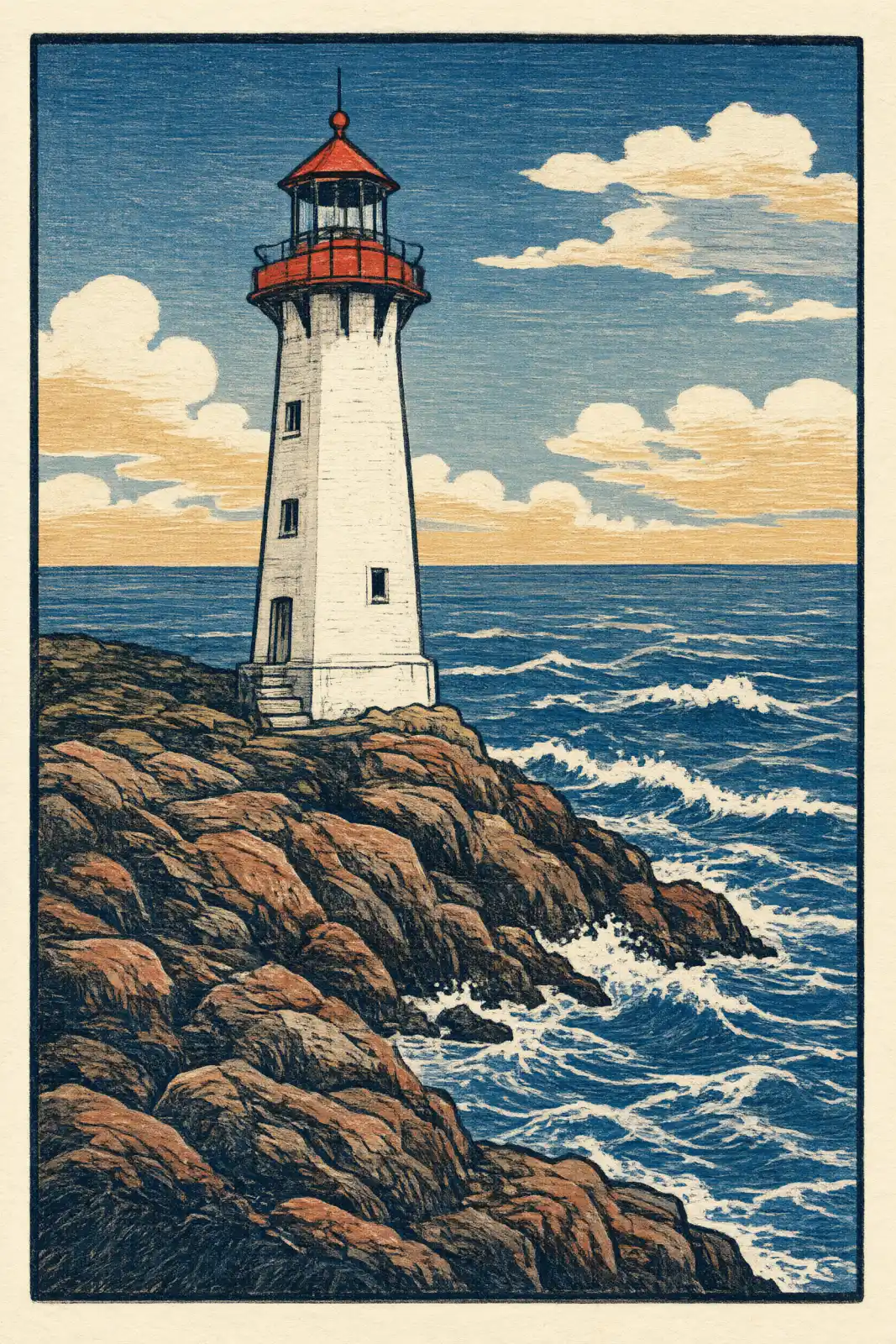
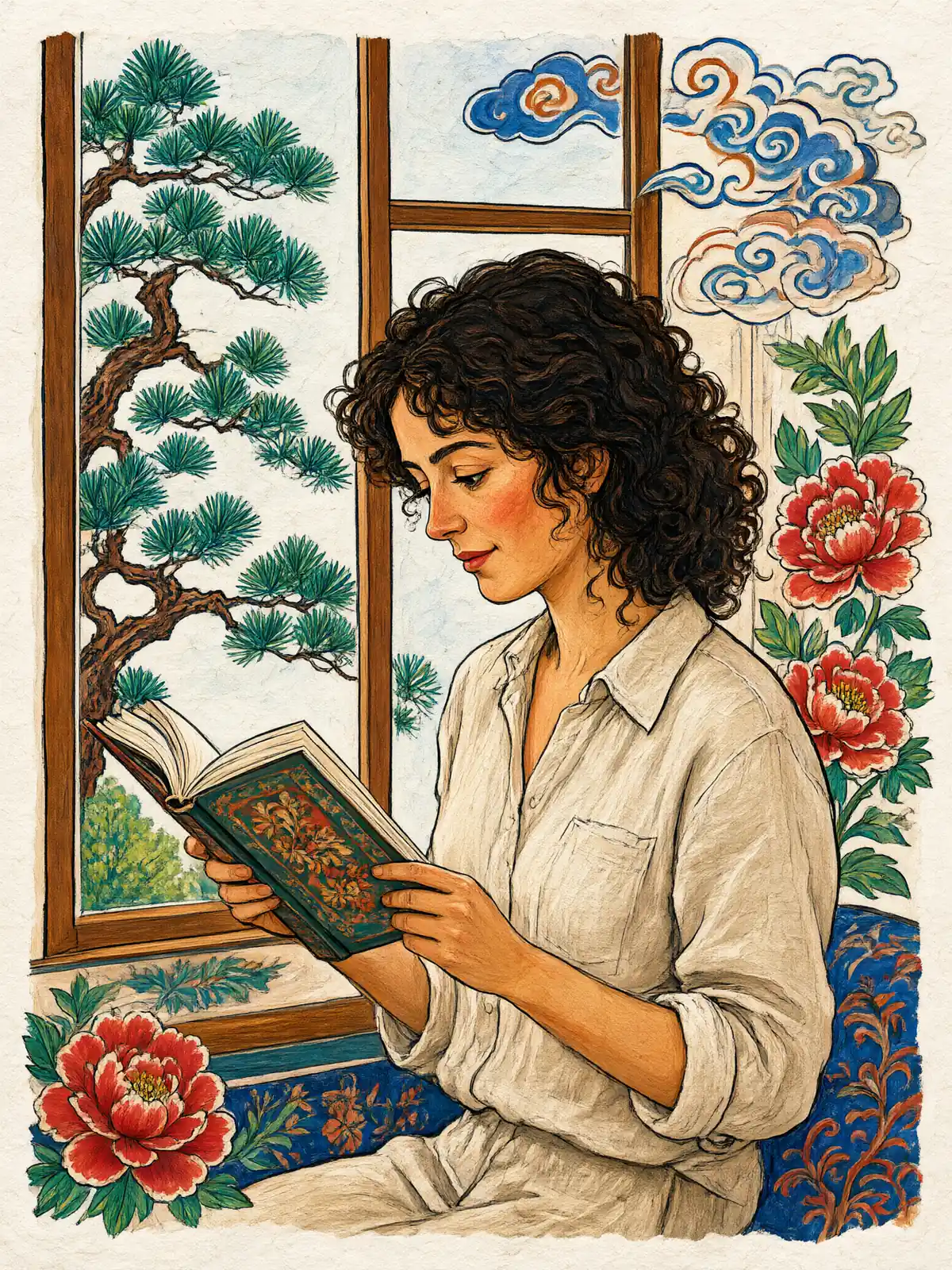
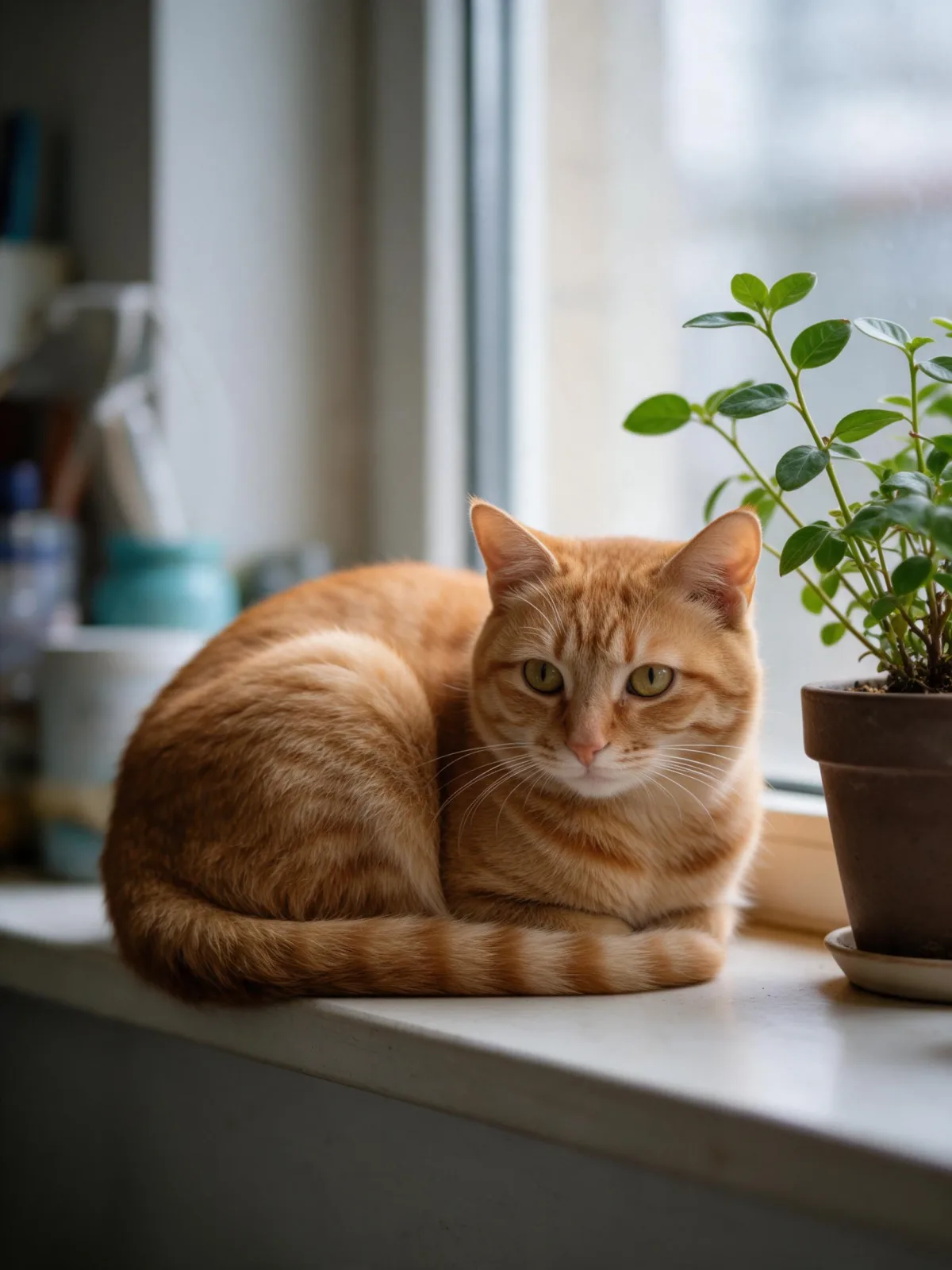
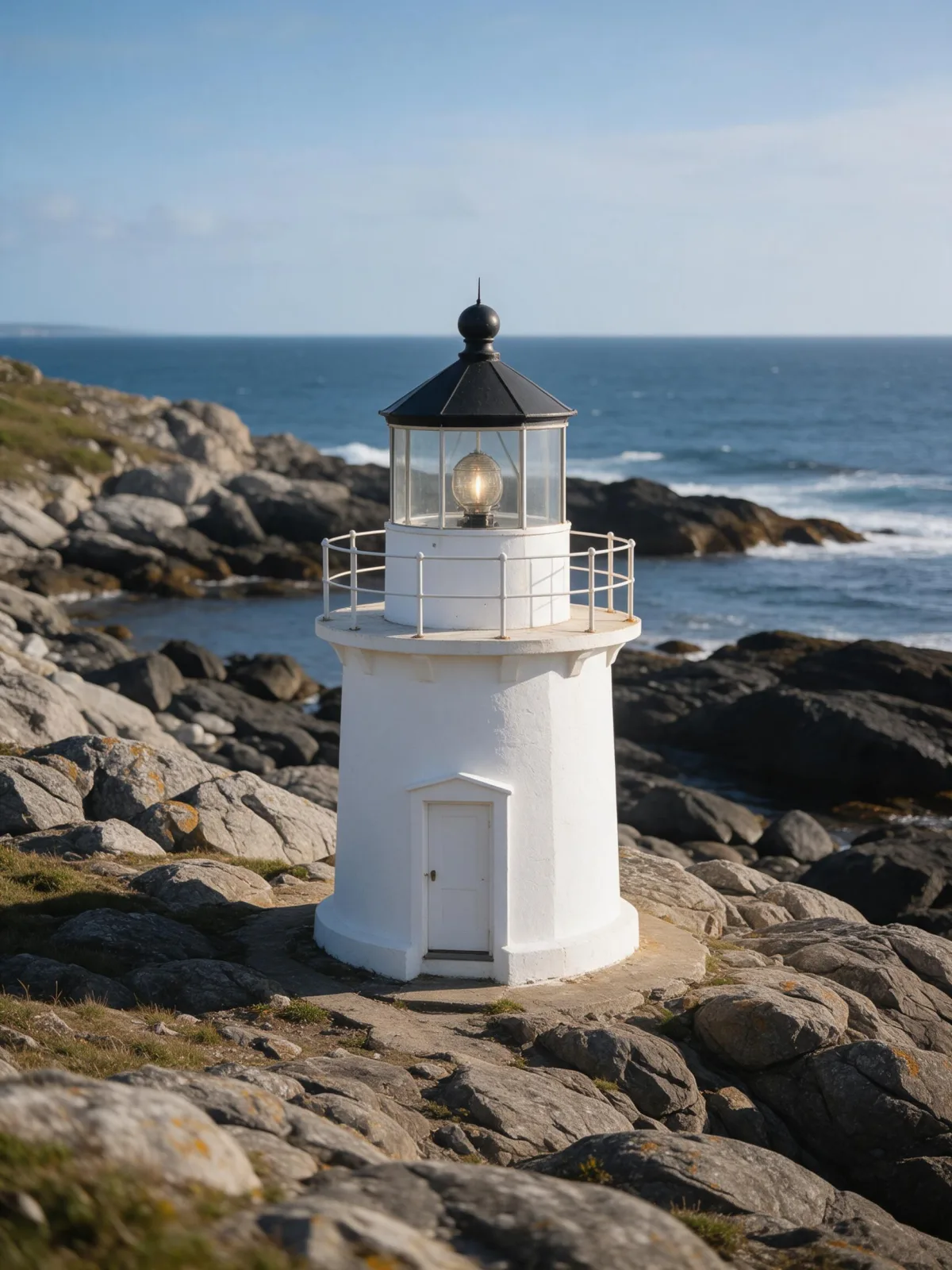
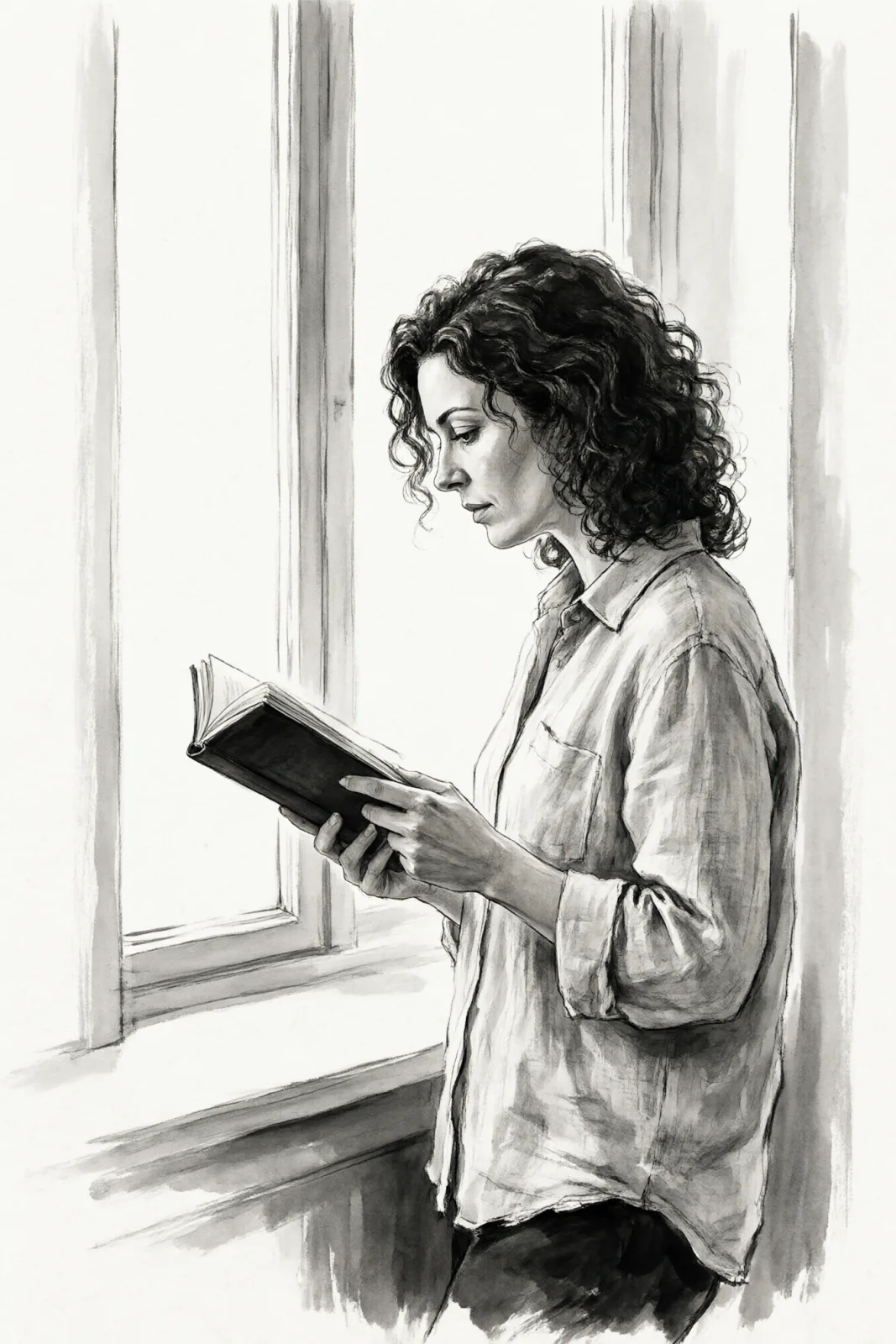
You write the subject; the style dips it in the vat. A person reading by a window becomes a figure drawn in dye among striped curtains and ring patterns, a man in a coat on a street turns into a blue-and-white textile panel, a cat on a sill curls up in rings of indigo, and a lighthouse rises from a sea of folded stripes. It is a single-color look, so strong silhouettes read best.
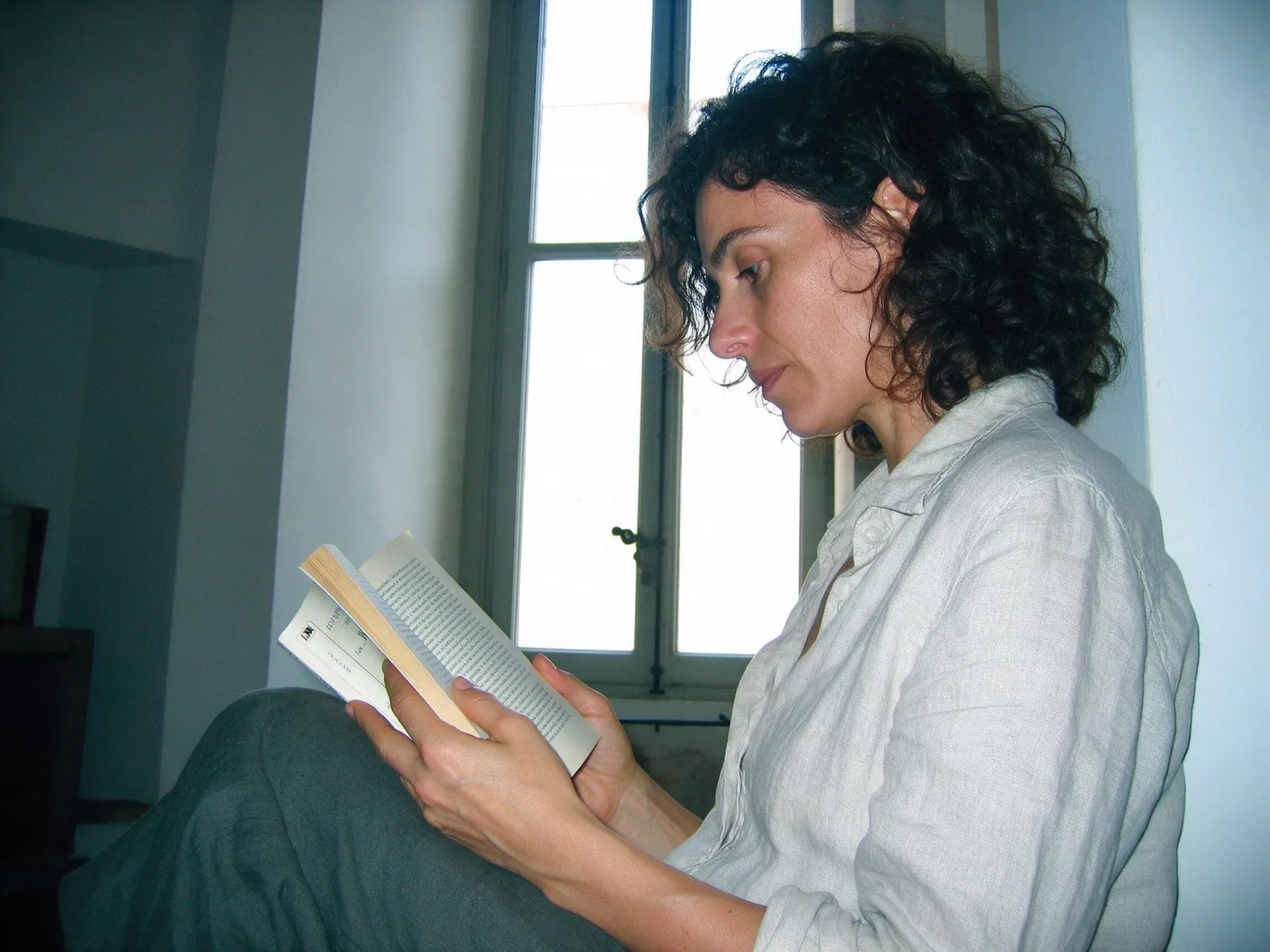
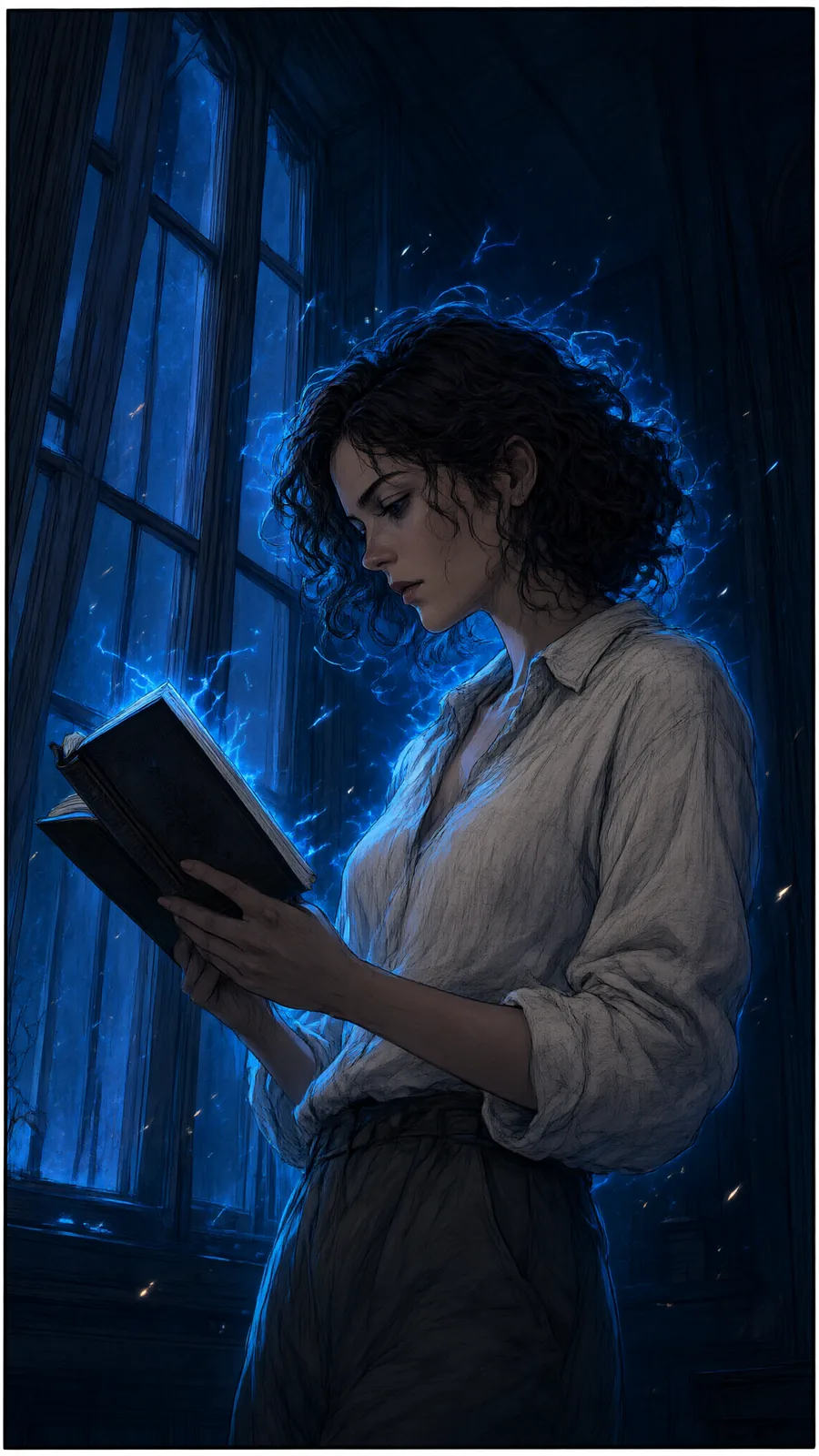
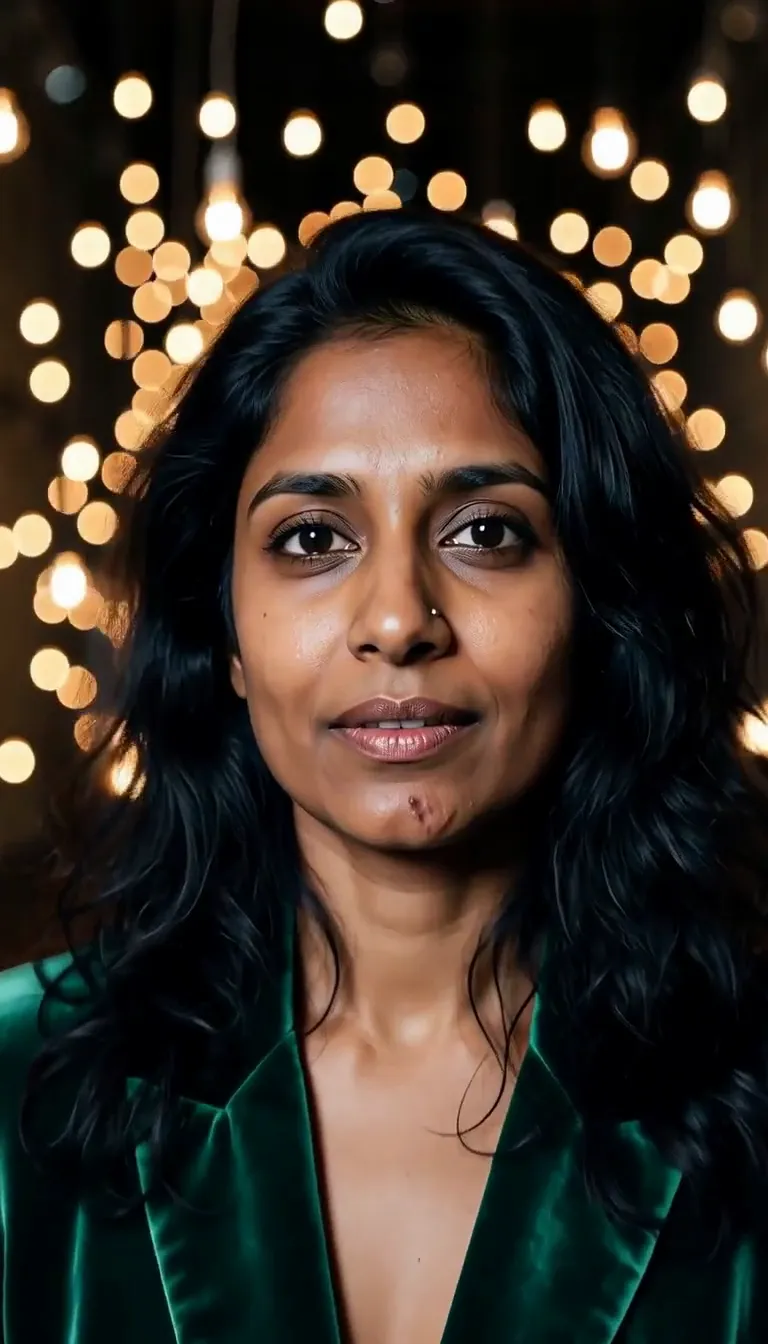
Use it for textile and home-goods brands, café and restaurant interiors, calm posters, album art and pattern references. For this composition, we recommend 3:4, with 1:1 as another framing option. The recommended model turns the whole scene into cloth; some other models only hang a dyed fabric next to the subject. This style is text-to-image only: when we tried it on an uploaded photo, the person stayed photographic and only the background or the clothes changed, so describe your subject in words instead.
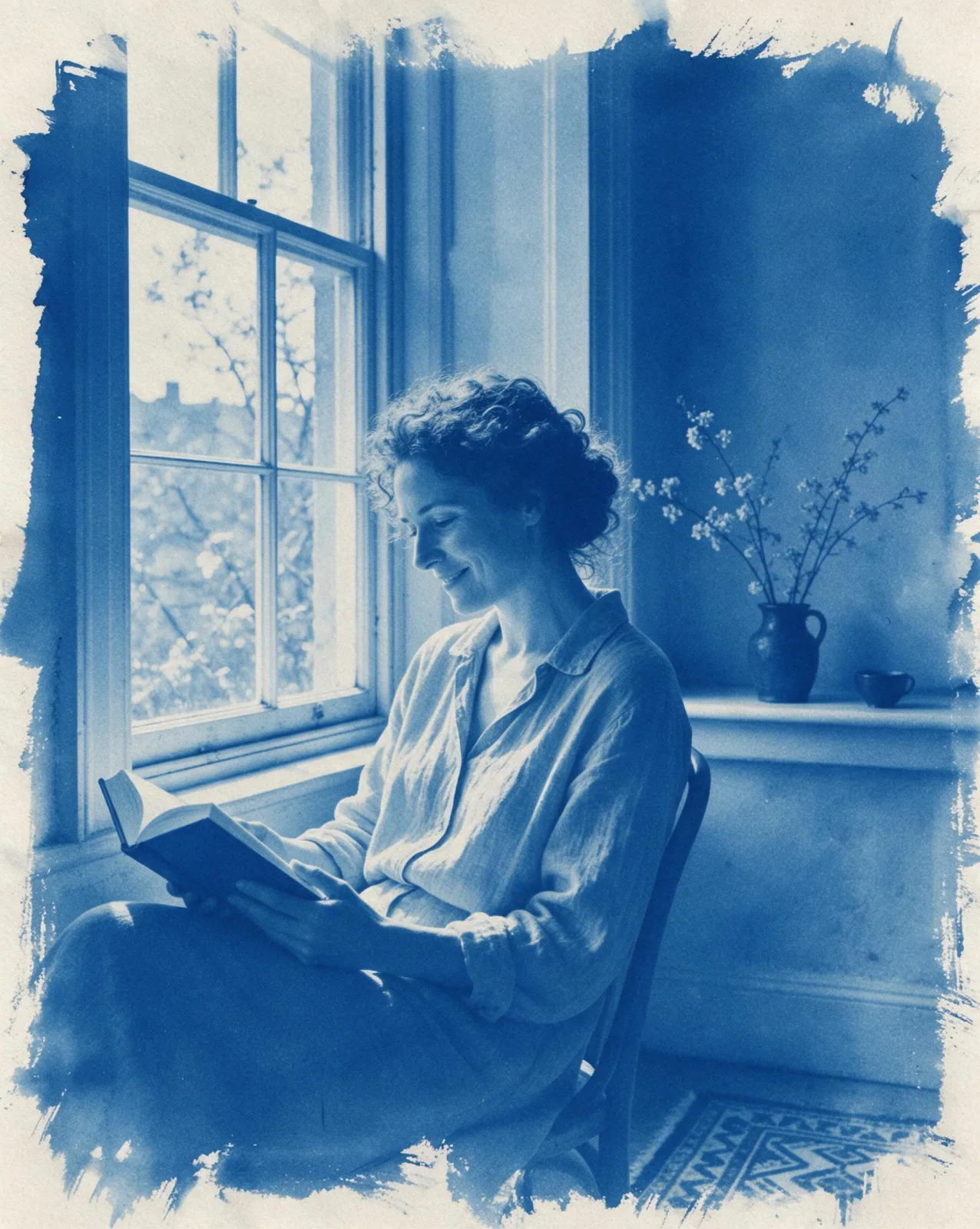
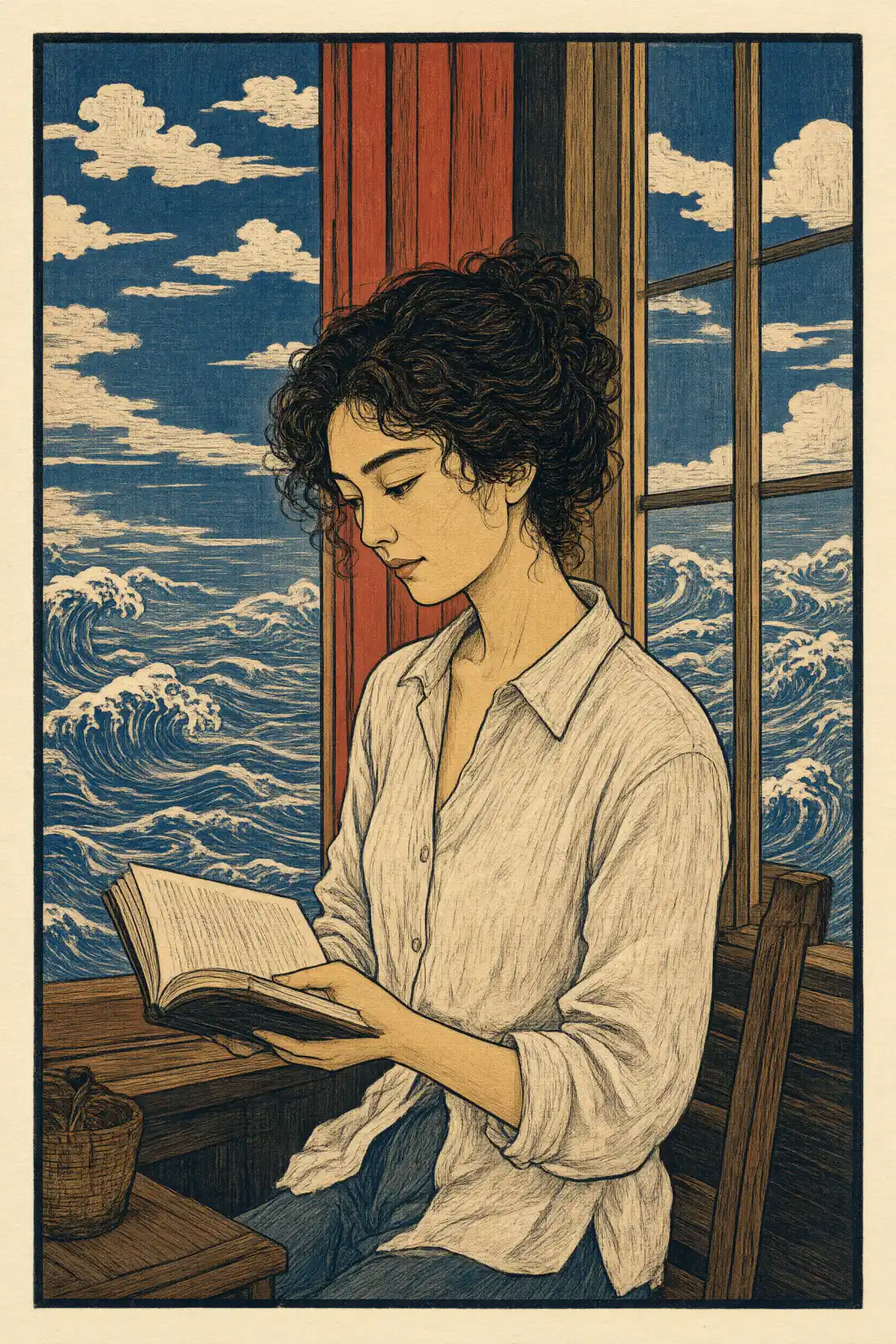
Subjects to paste as they are: “a crane standing among reeds”, “a fisherman mending a net on a pier”, “a teapot on a low wooden table”. For Prussian-blue sun prints on paper, try Cyanotype Print; for carved color blocks and patterned waves, Woodblock Tide; for fluorescent two-color printing, Riso Duotone.