Introduction
Send numbered image sources and an instruction describing the desired changes and retained details.
| Field | Value |
|---|---|
| Input | Image |
| Output | Image |
| Publisher and model | Google; Gemini 3.1 Flash Lite Image |
| Workflows | Text to image and image to image |
| Output tier | 1K; approximately one million pixels |
| Prompt capacity | Up to 20,000 characters |
| Fixed aspect ratios | 1:1, 2:3, 3:2, 3:4, 4:3, 4:5, 5:4, 9:16, 16:9, 21:9, 1:4, 4:1, 1:8, 8:1 |
| Generation default | 1:1 |
| Editing ratio option | auto, in addition to the fourteen fixed ratios |
| Editing inputs | 1 to 10 images; identify them as Image 1, Image 2 and onward |
| Billing basis | Fixed price per image; failed requests are not charged |
| Content filter | The publisher applies its own content filter; requests it flags are refused and not charged |
| File retention | 14 days, then generated files are deleted |
Key features & highlights
The same couple across changing poses
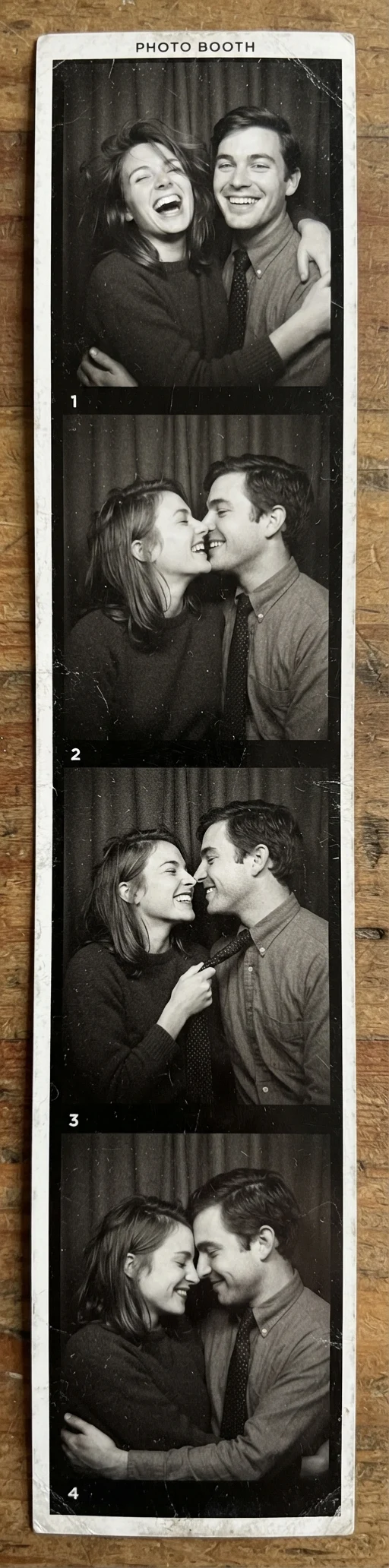
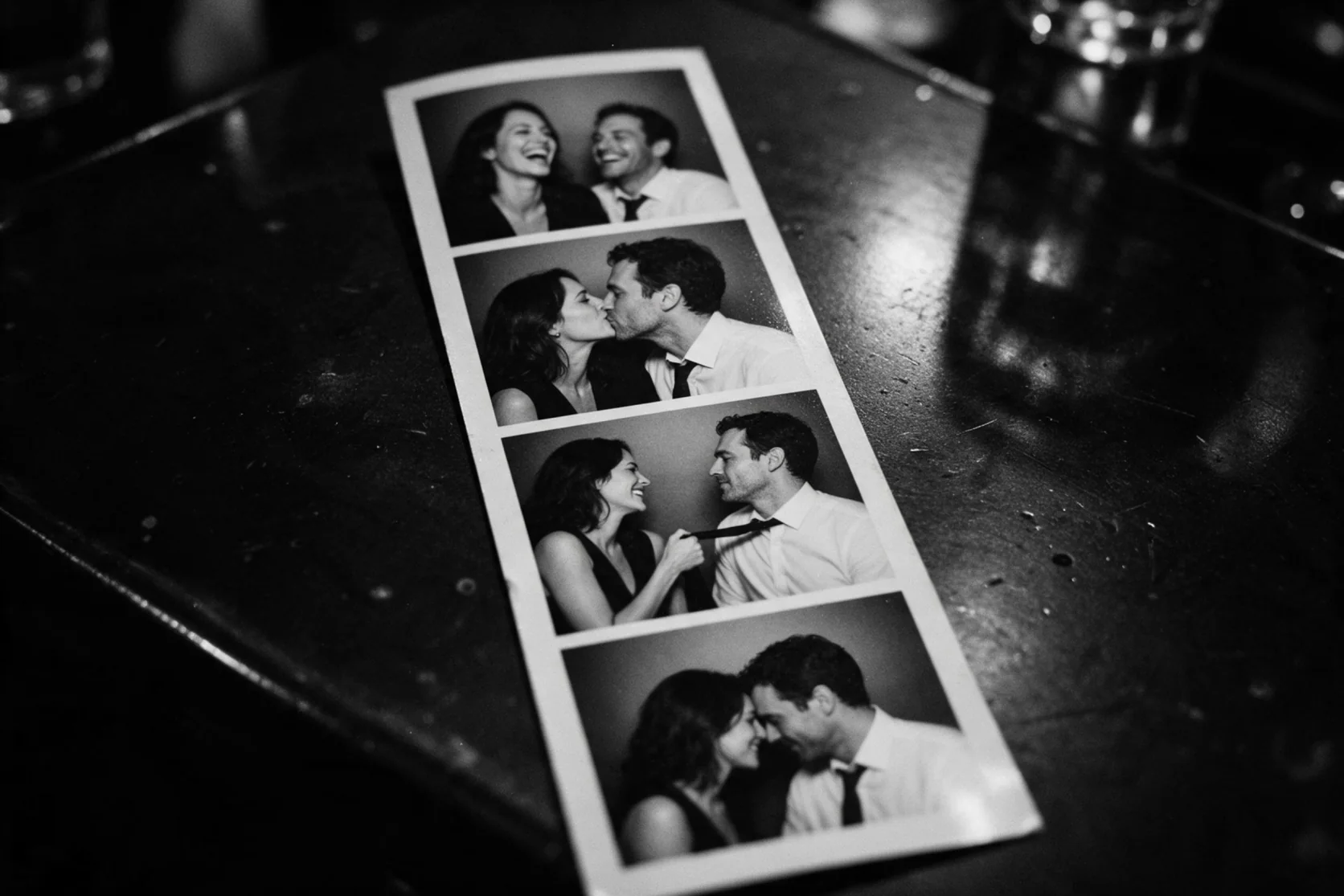
Our 1:4 generation produced a black-and-white photo booth strip with four frames: laughing, kissing, a playful pull on a tie and foreheads touching. The couple stayed consistent across the sequence. Write the moments in their intended order and select the narrow ratio in the controls; the result is one composed image, with its four frames inside it. This sample demonstrates that particular sequence rather than a promise for every cast or layout.
A reading corner inside a carriage
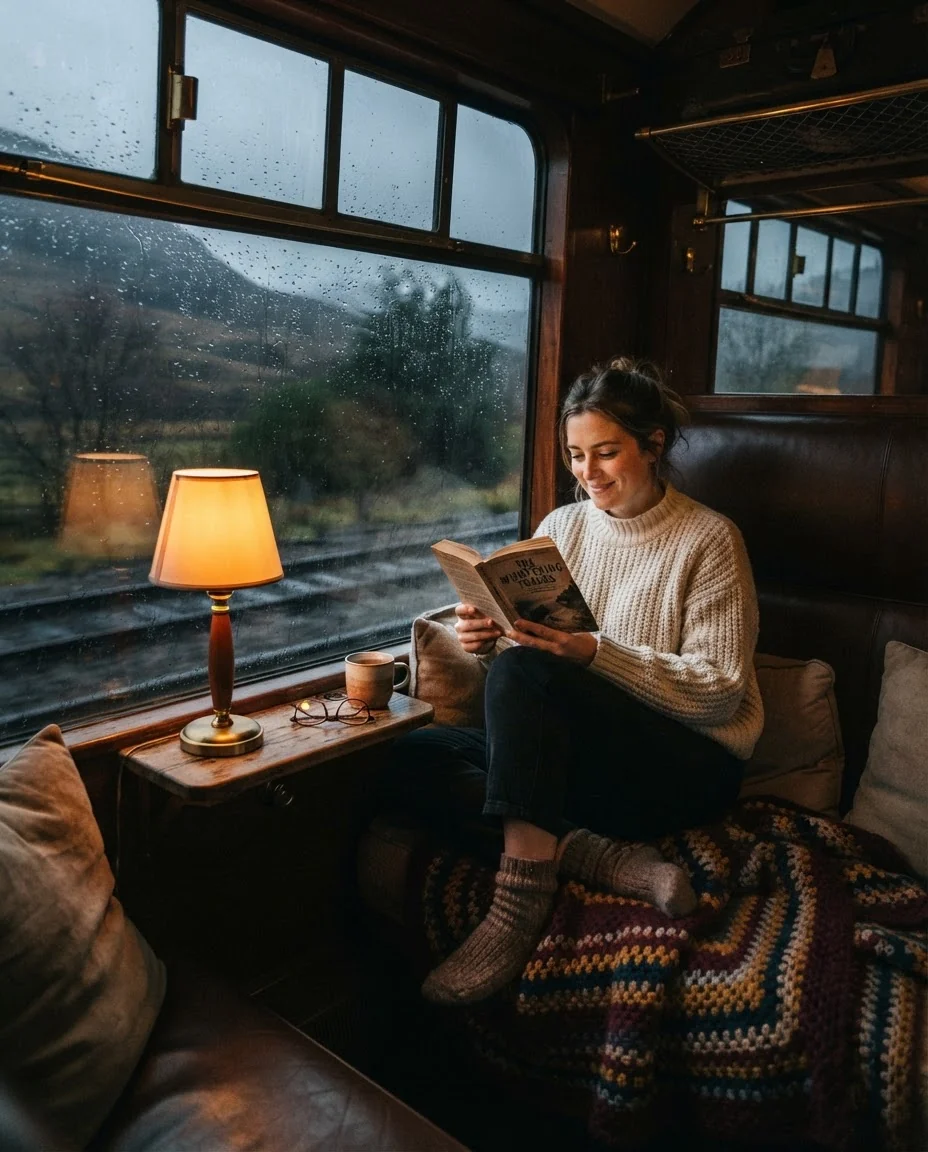
The train example begins with a place and a contrast in atmosphere: a cozy reading nook inside, rain outside. Our test produced the carriage reading corner. Use concrete furnishings and a lighting direction to explain the scene you want, then choose proportions that leave room for the window and seat. The 1K output is suited to reviewing that composition before deciding whether a larger version is needed.
Winter light around living green plants
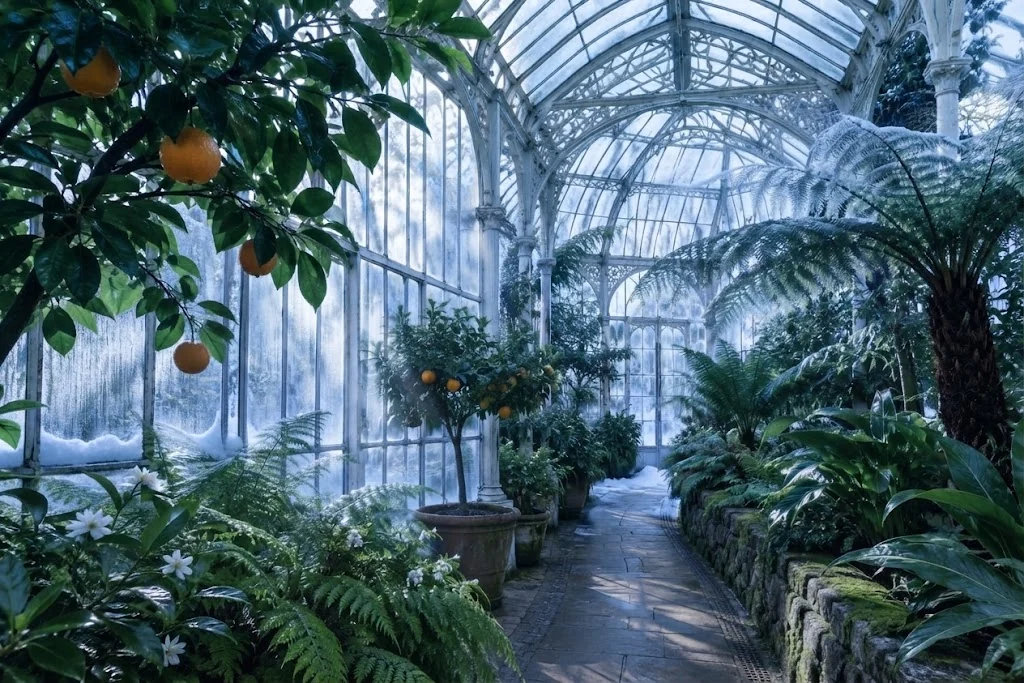
A sunny greenhouse became a winter morning in our editing test. Frost appeared on the glass and the light turned cold, while the indoor plants remained green. That contrast makes the requested change easy to inspect: compare the glass and lighting, then check the plants separately. Name the greenhouse as Image 1 and state both the seasonal change and what should remain, rather than leaving preservation to an implied instruction.
Request parameters
| Parameter | Required | Description |
|---|---|---|
prompt | Yes | Explain the requested revision in up to 20,000 characters, referring to inputs as Image 1, Image 2 and onward; text length does not affect the fixed rate. at least 1 characters · at most 20000 characters |
image_urls | Yes | Send 1–10 source image URLs to guide the revision; this workflow charges per image produced rather than by source count. at least 1 items · at most 10 items |
aspect_ratio | No | Choose auto to follow the source, or 1:1, 2:3, 3:2, 3:4, 4:3, 4:5, 5:4, 9:16, 16:9, 21:9, 1:4, 4:1, 1:8 or 8:1; selecting a shape does not alter Lite pricing. |
Pricing
$0.027 / image
Lite image editing uses one fixed charge per generated image, independent of ratio or source count; failed revisions are not charged.
Use cases
A photo-strip story
Arrange a couple across four moments in a narrow 1:4 composition. Our black-and-white photo booth result kept the same couple recognizable while their poses changed between frames.
An interior mood study
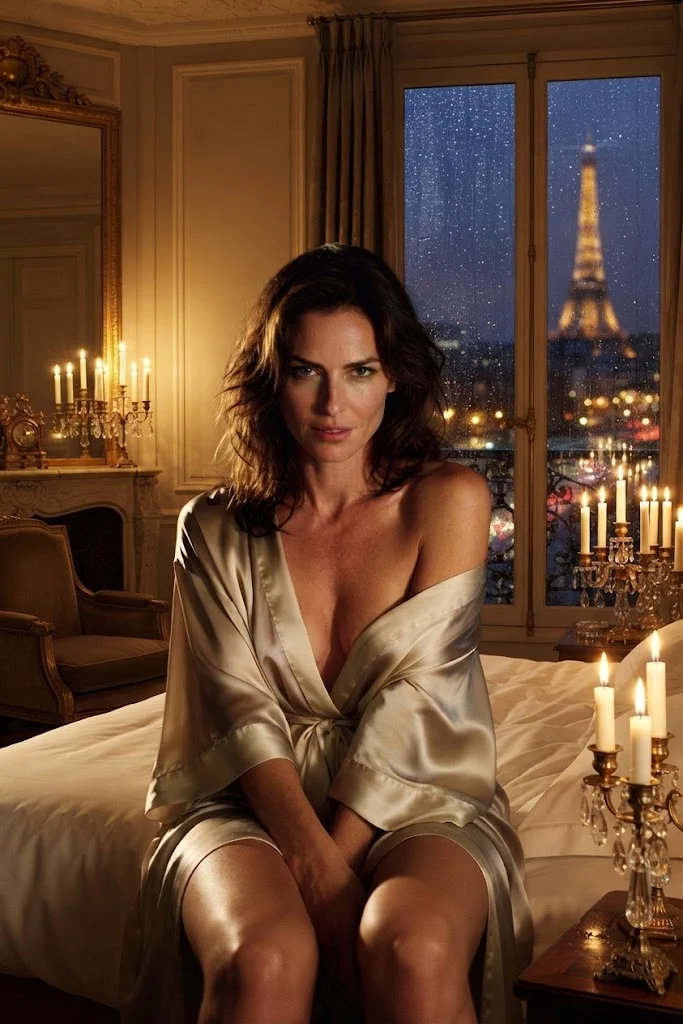
Explore warm light against rainy surroundings before developing a room concept. The train-carriage test brought a reading nook into that setting.
A seasonal location revision
Ask for a winter atmosphere while naming the indoor details that should remain. Our greenhouse edit added frosted glass and cold light with the plants still green.
A canvas for an unusual placement
Select 1:8, 8:1 or another supported ratio when a layout needs a narrow or panoramic image. These shapes change the composition without adding a larger resolution tier.
A brief with numbered references
Use one to ten sources when an edit needs existing visual material. Explain the role of each image and review the returned details against those sources.
Prompt guide & pro tips
Choose a starting point
Open text to image for a scene described in words, or image to image for a picture you want to revise. For photos of people, use adults and images you have the right to use; do not impersonate anyone.
Give the scene a clear direction
Name the setting, light and visible action. In an edit, connect each input to Image 1, Image 2 and onward, then separate the requested changes from the details to retain.
Choose the canvas proportions
Select a fixed ratio for generation, such as 1:4 for a vertical photo strip. Editing also offers auto to follow source proportions; every selection stays at the 1K tier.
Review and download the result
Compare faces, objects and framing with your brief before accepting the image. Save the file within 14 days, together with the prompt and settings you used.
Revise a picture with written direction
Nano Banana 2 Lite image to image takes existing visual material and a prompt describing the intended revision. Supply one to ten images, identify them by number, and explain the parts to change and retain. Output stays at 1K, approximately one million pixels. This endpoint fits a focused location or lighting study when the source already contains details you want to carry forward.
The greenhouse sample demonstrates a seasonal request: the sunny setting became a winter morning with frost on the glass and cold light, while the indoor plants remained green. That is evidence for the observed edit, rather than a guarantee that every area outside your request stays identical.
Editing parameters
| Parameter | Accepted input | How to use it |
|---|---|---|
| prompt | Up to 20,000 characters | Name numbered sources, desired changes and details to preserve |
image_urls | One to ten source image URLs | Match Image 1, Image 2 and later names to their input order |
aspect_ratio | auto, or 1:1, 2:3, 3:2, 3:4, 4:3, 4:5, 5:4, 9:16, 16:9, 21:9, 1:4, 4:1, 1:8 or 8:1 | Select auto to follow source proportions, or choose a fixed canvas |
Editing adds auto to the fourteen fixed ratios offered by generation. Select it deliberately when following the source shape matters. With several inputs, do not assume that every reference has matching proportions; choose a fixed ratio if the final placement needs a specific shape. No ratio selection adds a larger output tier.
Make the reference roles readable
Connect each input to a purpose
An image number should tell the editor where to look. Begin with a direction such as "Use the greenhouse in Image 1," then describe the requested winter atmosphere. If additional pictures are needed, say what Image 2 and later inputs contribute. Check those labels against the order of image_urls before submitting.
The endpoint accepts up to ten images, but capacity is not a promise of consistent results for a complicated reference collection. Google says Lite is not optimized for multiple reference inputs or multi-turn sequential editing. Our greenhouse observation concerns a focused seasonal change, without establishing reliability across a long chain of revisions.
Separate a change from a preservation goal
Write an edit as distinct instructions: "Add frost to the glass and cool the daylight. Keep the indoor plants green." This makes the intended contrast clear. For your own scene, specify the structures or objects that matter, then compare them with the original after the image returns.
The sample supports the frosted glass, cool light and green vegetation. A prompt can also ask to retain the path or planting arrangement, but inspect those details rather than treating a preservation request as a measured outcome. Spend the prompt space on visible requirements instead of repeating a general request for quality.
Handle portraits with permission
Use photos you have the right to use, with adults as the subjects, and do not impersonate anyone. In a new portrait brief, identify adults in their thirties or older and describe clothing, expression, light and surroundings. Keep identity-related requirements clear, then review the returned face against the authorized source before using the edit.
For a lighting study, a direction could read: "Use the authorized portrait of the woman in her forties from Image 1; add warm studio light against a blue background; preserve her navy jacket and seated pose." This is a suggested instruction pattern, without a tested portrait result attached.
Review the edit against its source
Use the greenhouse example as a practical review sequence:
- Compare the glass and daylight to see whether the requested seasonal atmosphere arrived.
- Inspect the indoor vegetation for the green appearance you asked to keep.
- Check composition and surrounding details before deciding whether the result is suitable.
- Save the source, instruction, selected ratio and accepted output together.
For another revision, identify the remaining issue directly. A focused follow-up is easier to assess than a request that changes the season, furnishings, camera view and visual style together. Our notes do not measure extended editing histories or establish a turnaround time for an edit.
Billing and operating limits
Each produced image uses a fixed price. Aspect ratio does not alter the charge, and failed requests are unbilled. The model page lists the current price; consult it when estimating a job instead of relying on an amount copied into a guide.
The publisher applies its own content filter; requests it flags are refused and not charged. Use the same acceptance boundary for revisions as for new images. Files are retained for 14 days before deletion, so download accepted edits and keep the originals in your own project records.
When another endpoint fits
Use Lite text to image when you want a new composition without supplied pictures. The generated photo booth strip shows a four-frame layout, while this endpoint begins from reference material. If the required deliverable is 2K or 4K, Nano Banana 2.1 includes those tiers; Lite remains the lower-priced 1K option. Choose by source material, output size and the detail you need to verify.
API quick start
# Generate the idempotency key once; reuse it when retrying after a lost response.
export SPICY_IDEMPOTENCY_KEY="${SPICY_IDEMPOTENCY_KEY:-$(uuidgen)}"
curl -X POST https://api.spicyapi.ai/api/v1/jobs/createTask \
  -H "Authorization: Bearer $SPICY_API_KEY" \
  -H "Content-Type: application/json" \
  -H "Idempotency-Key: $SPICY_IDEMPOTENCY_KEY" \
  -d '{
  "model": "google/nano-banana-2-lite/edit",
  "input": {
    "aspect_ratio": "auto",
    "image_urls": [
      "https://example.com/reference.png"
    ],
    "prompt": "A ceramic teapot on a linen cloth, soft window light, muted palette"
  }
}'

# Copy data.taskId from the response into TASK_ID, then poll the status.
TASK_ID="TASK_ID_FROM_RESPONSE"
curl "https://api.spicyapi.ai/api/v1/jobs/recordInfo?taskId=$TASK_ID" \
  -H "Authorization: Bearer $SPICY_API_KEY"
See the API reference for authentication, the complete schema, polling, and error handling.