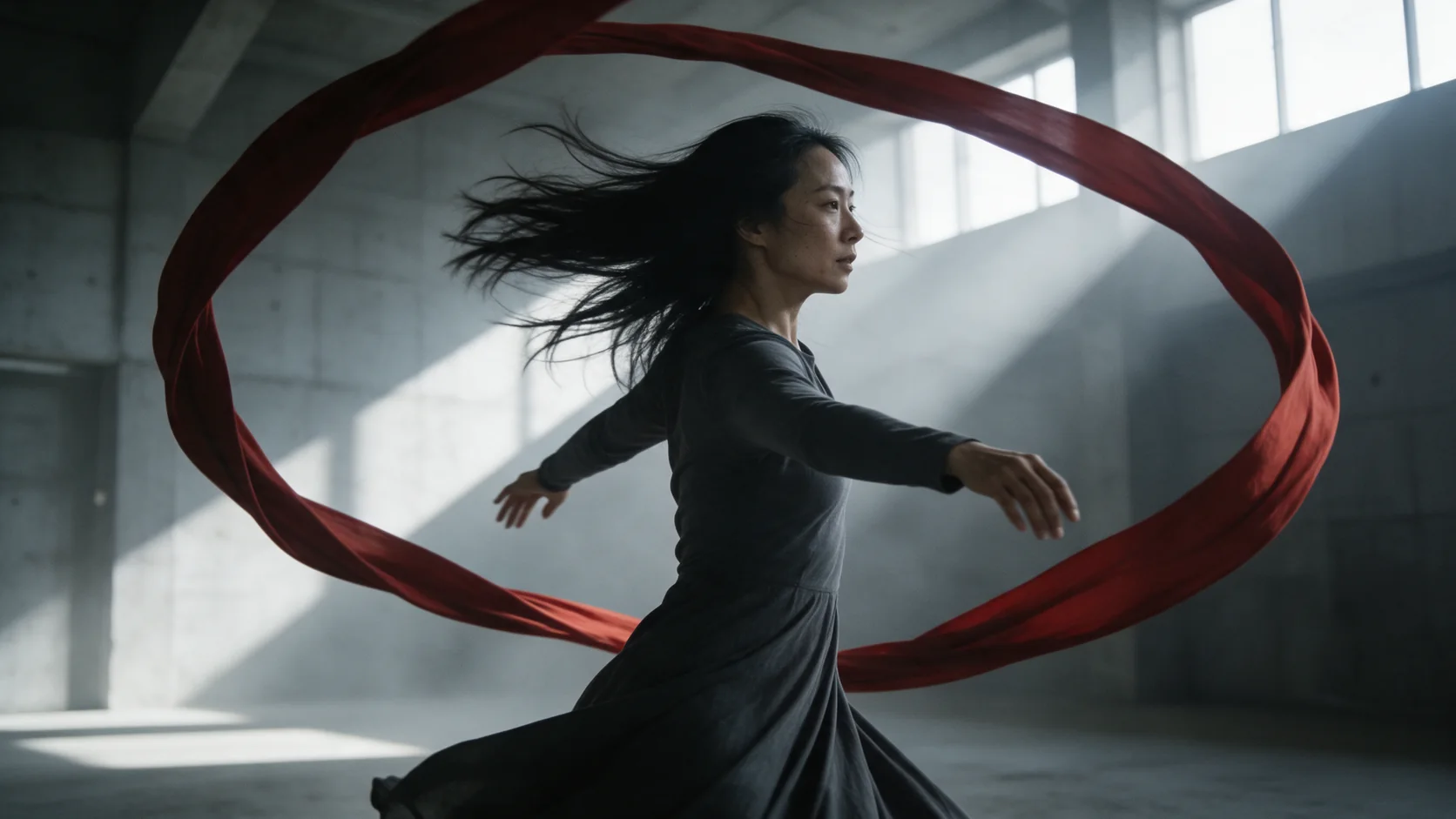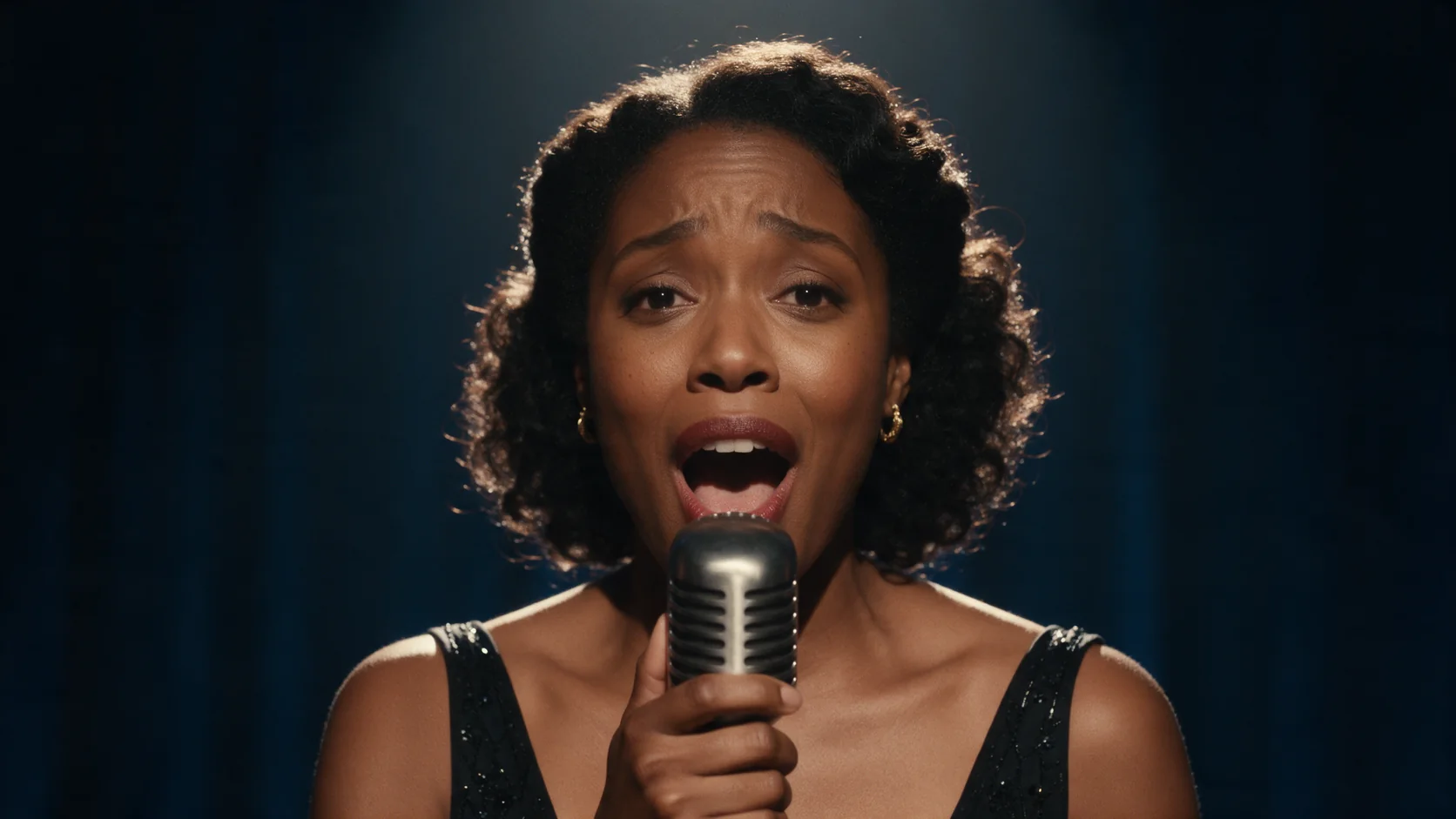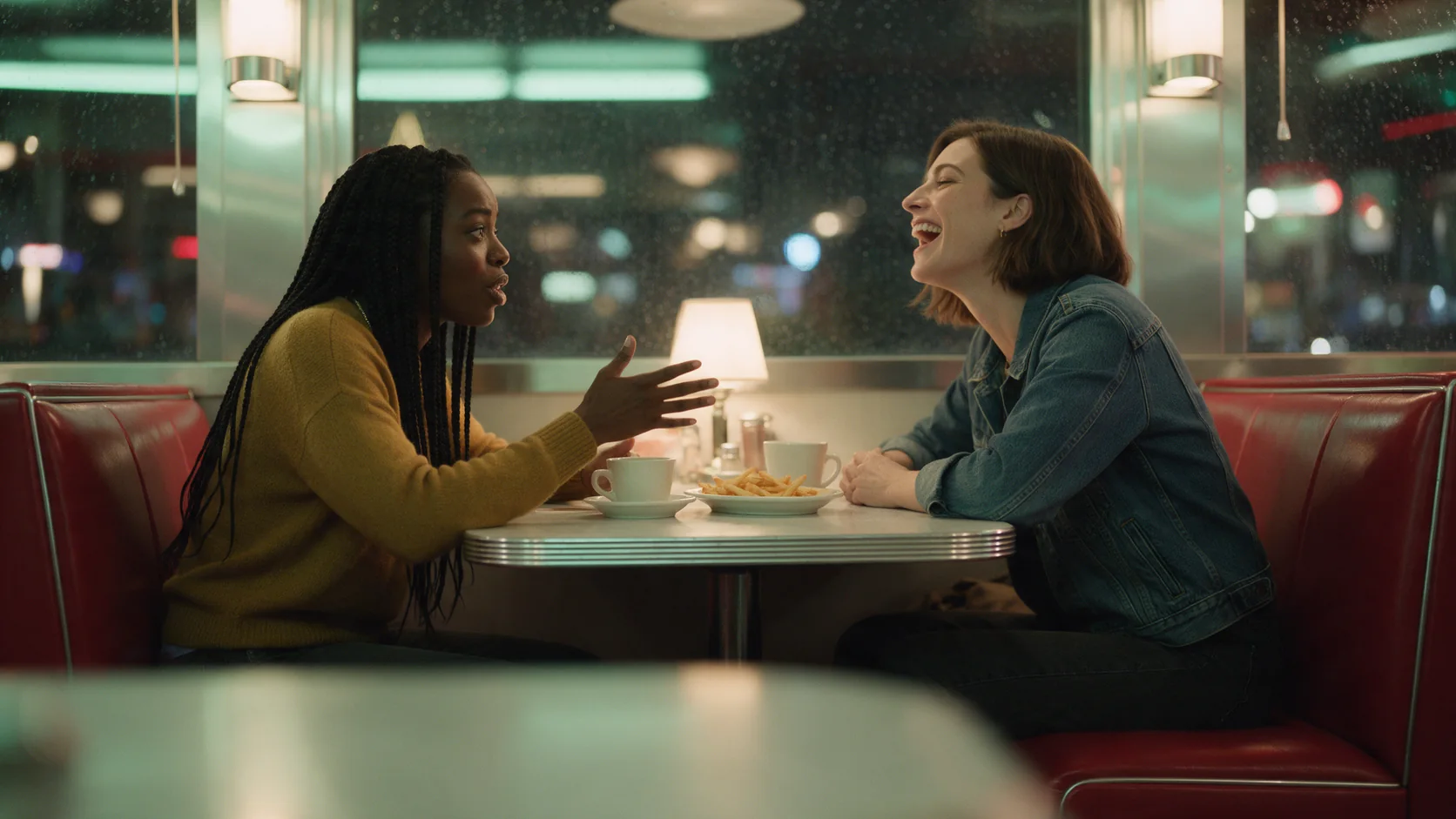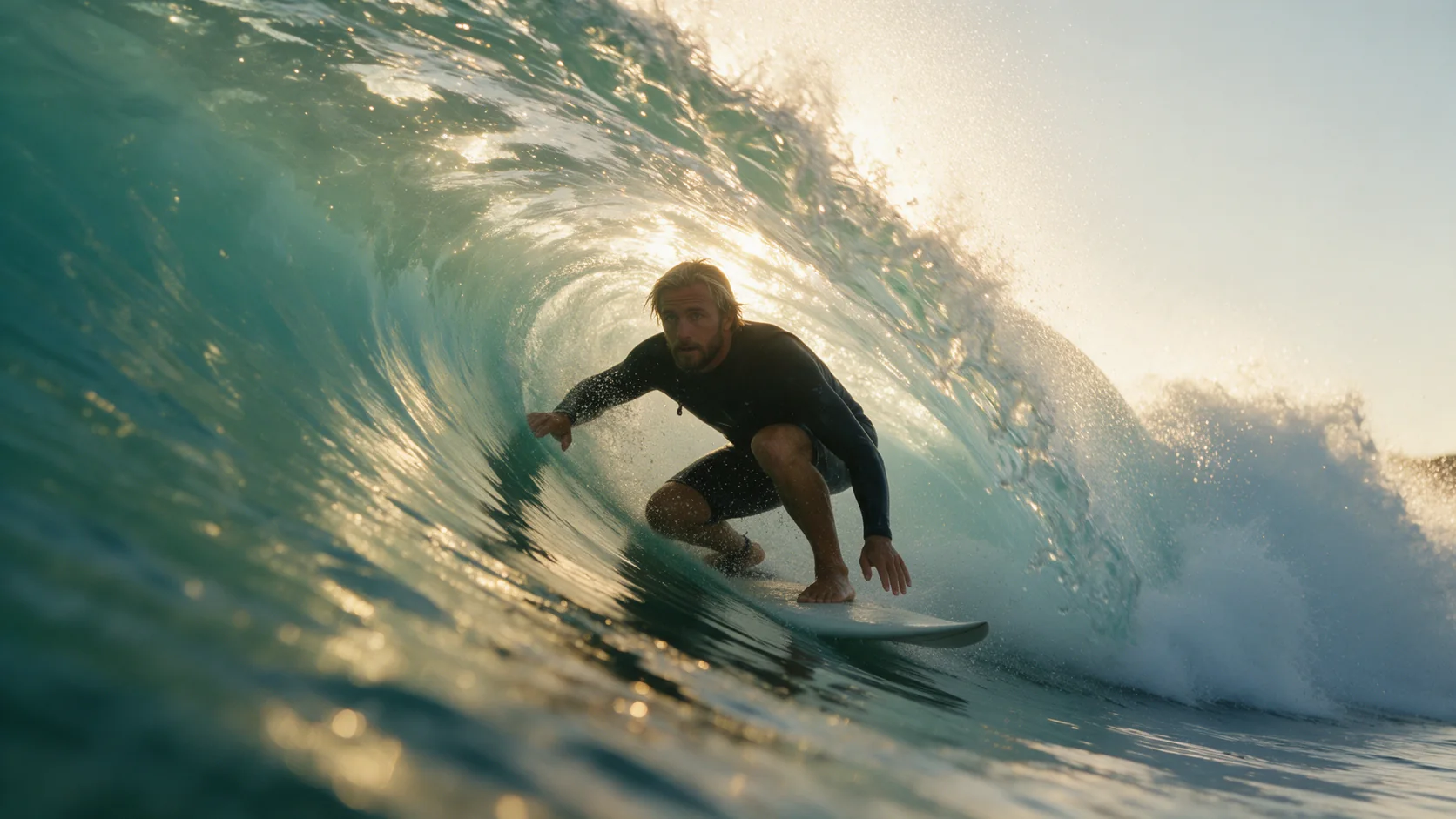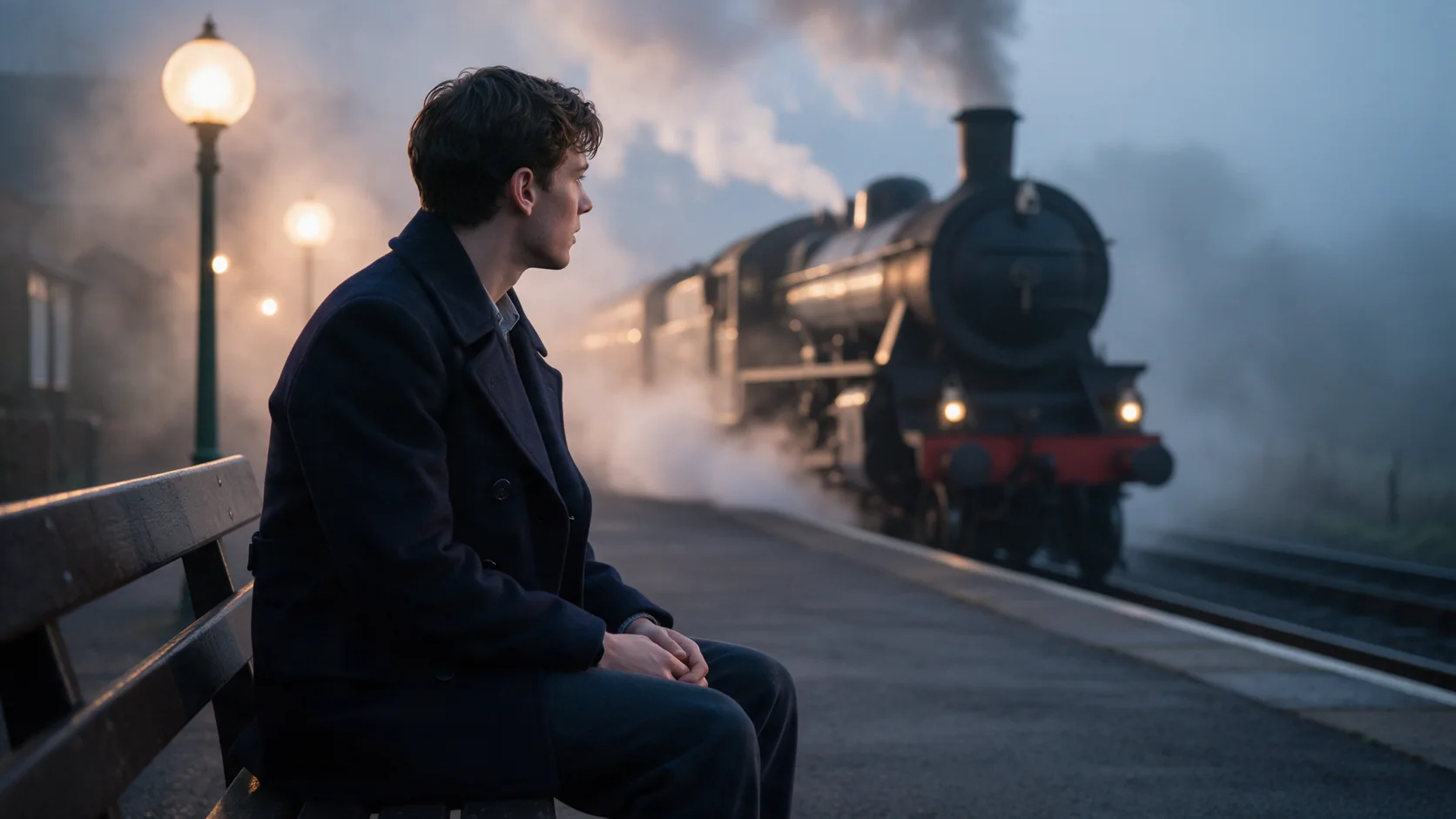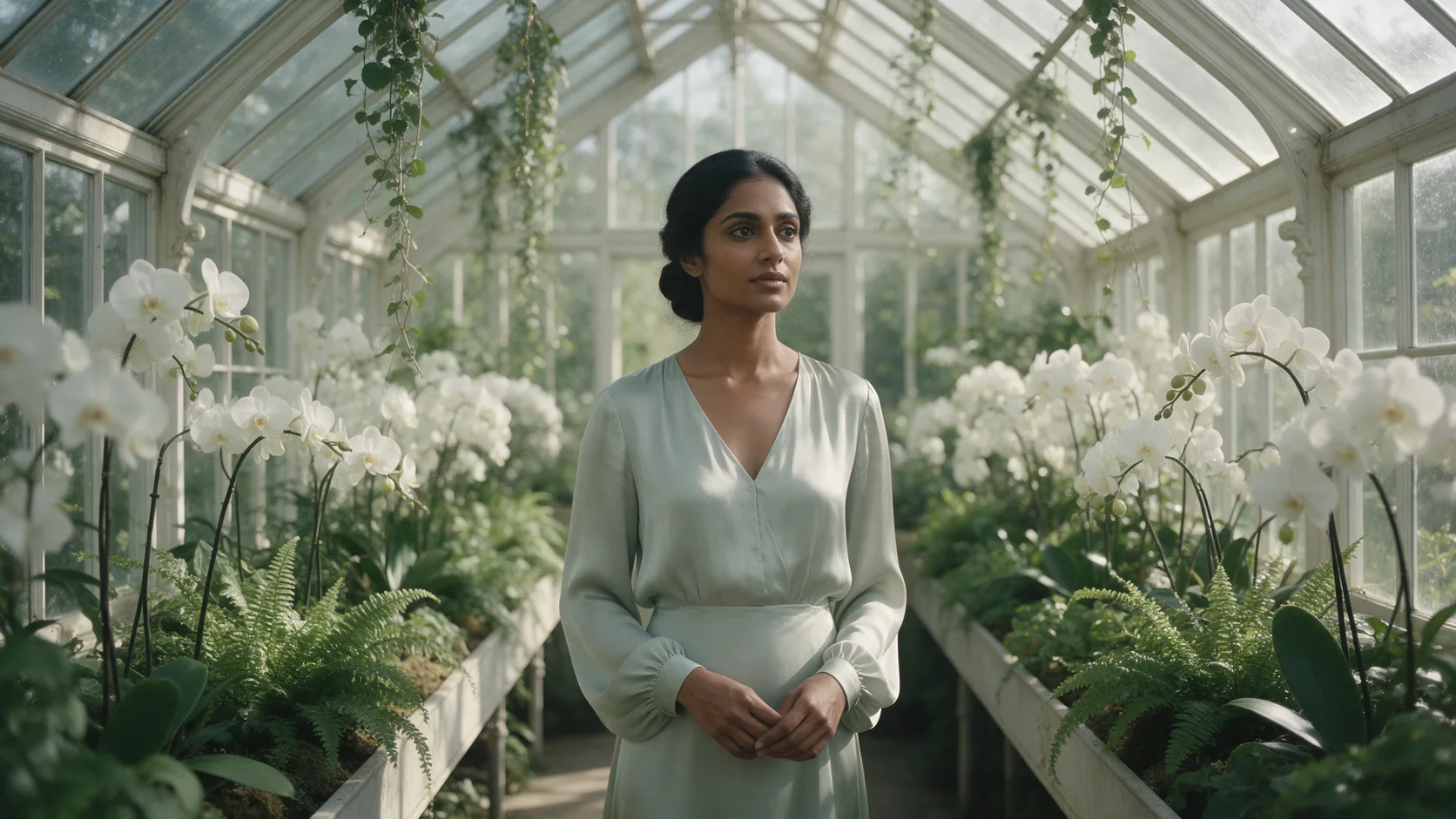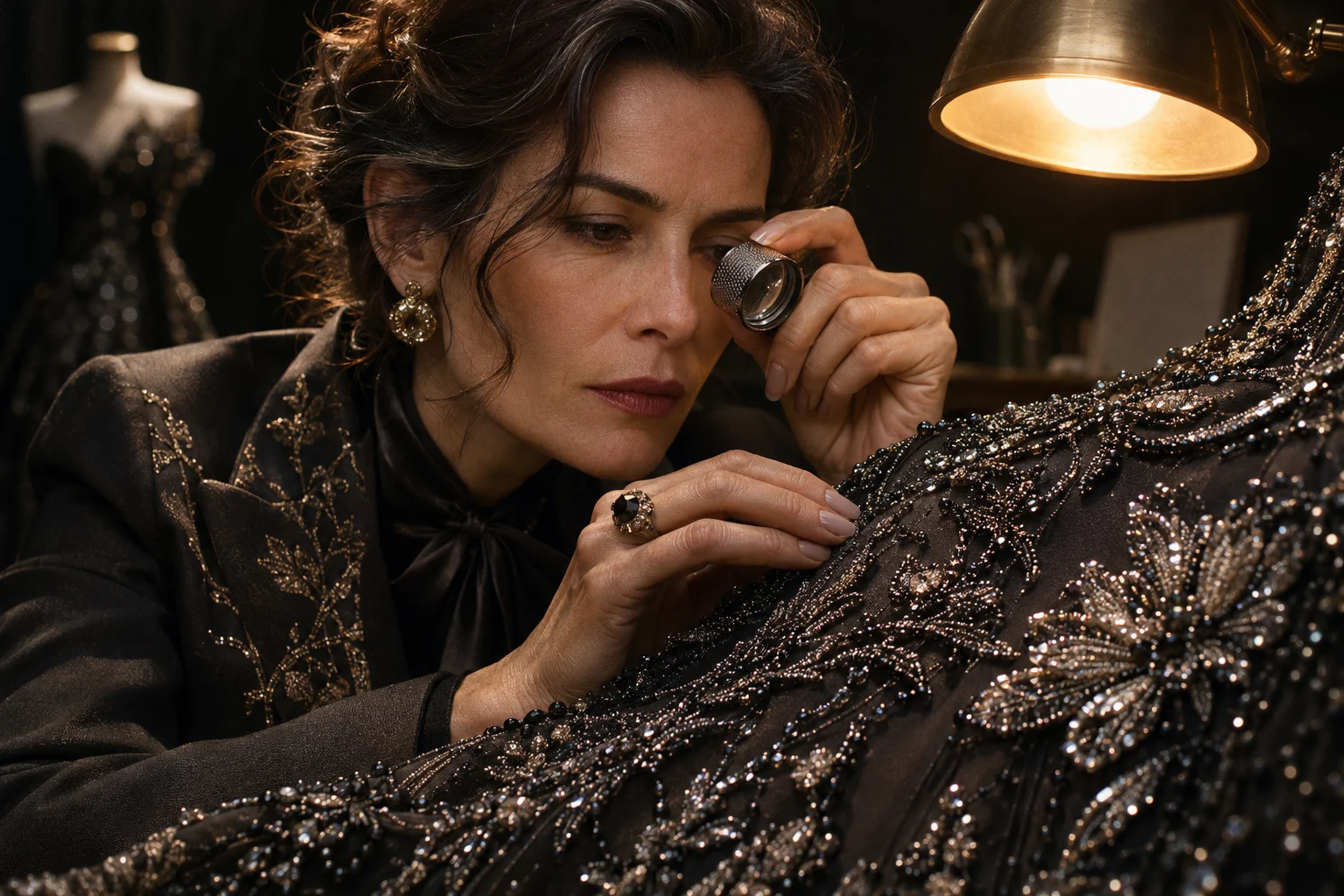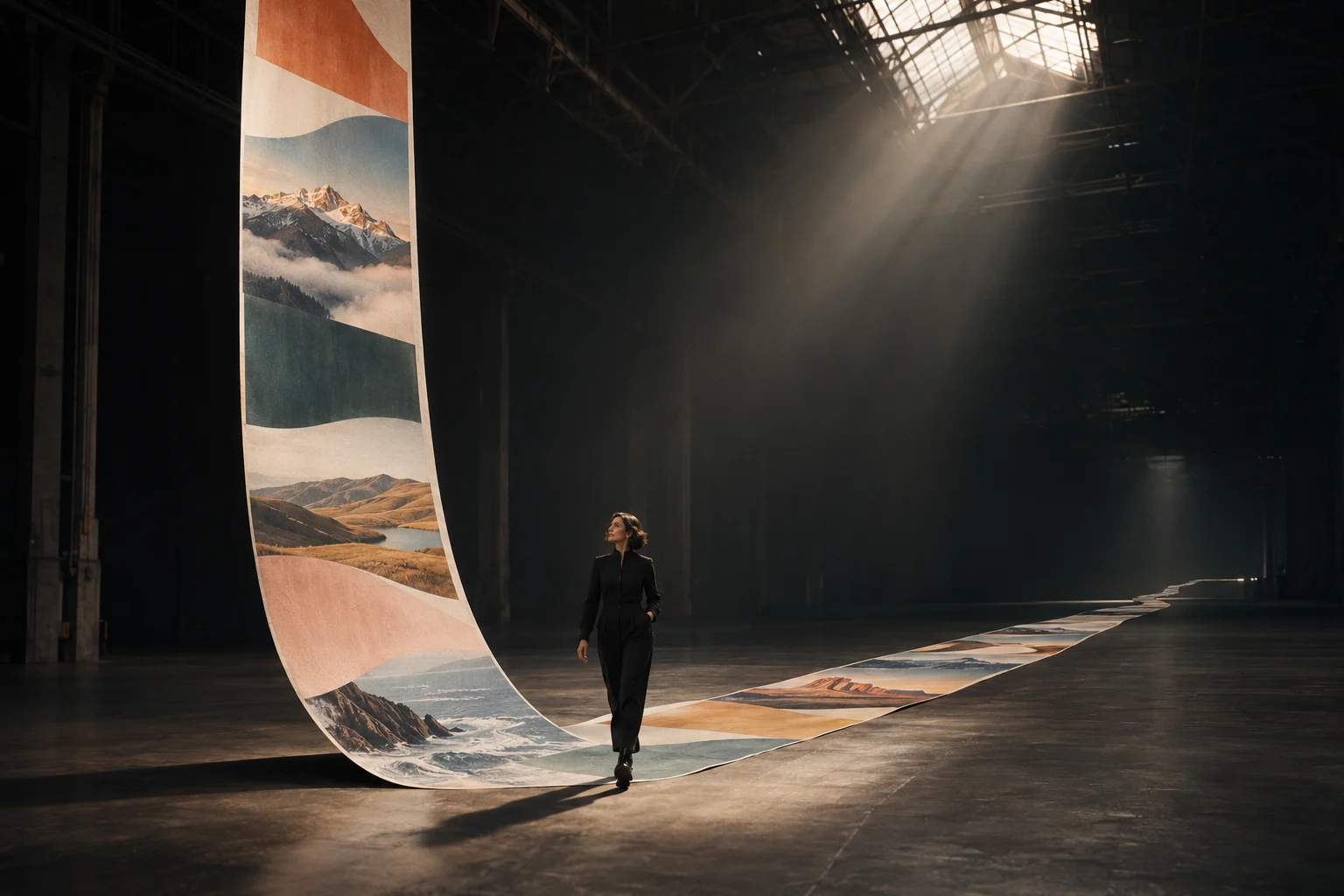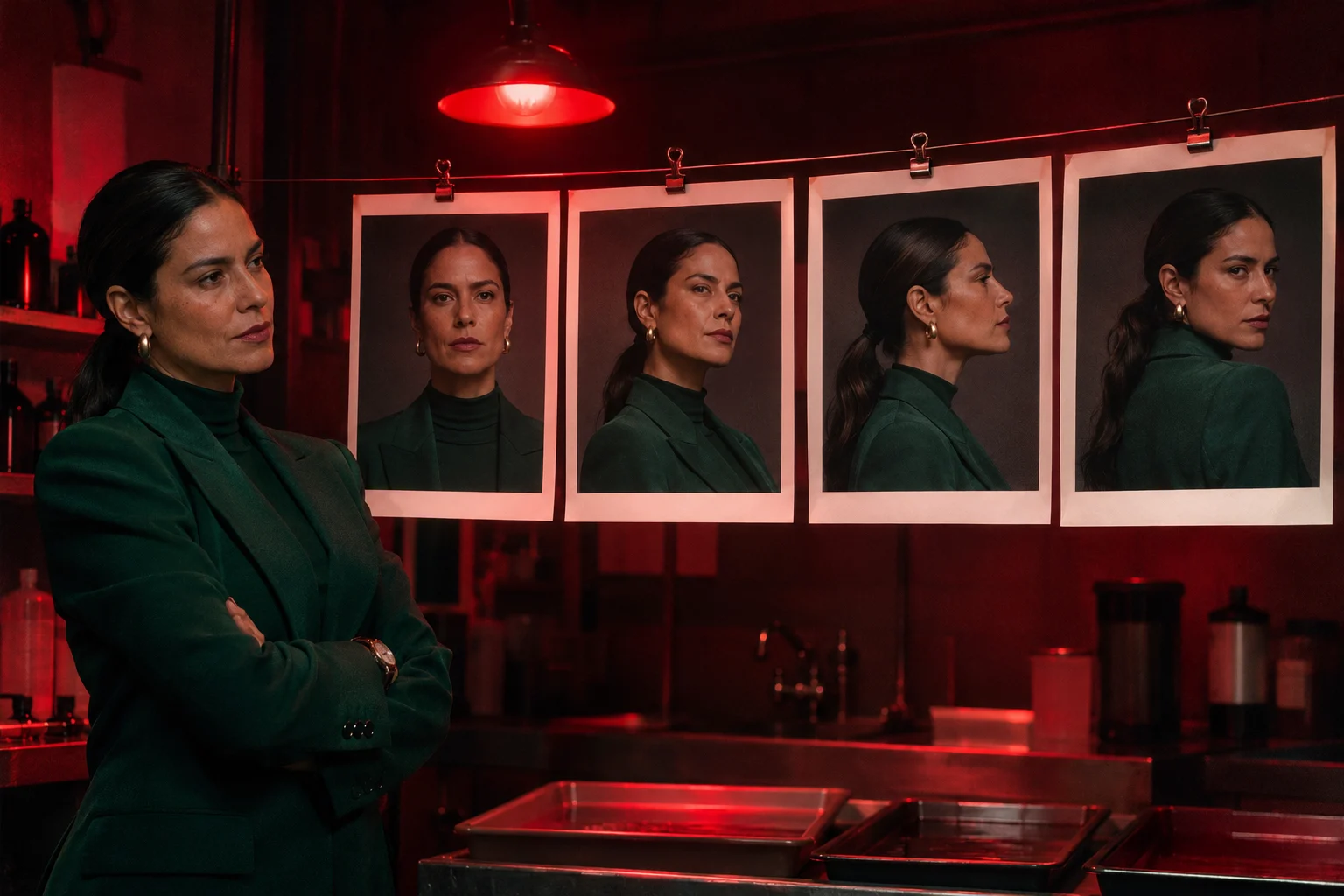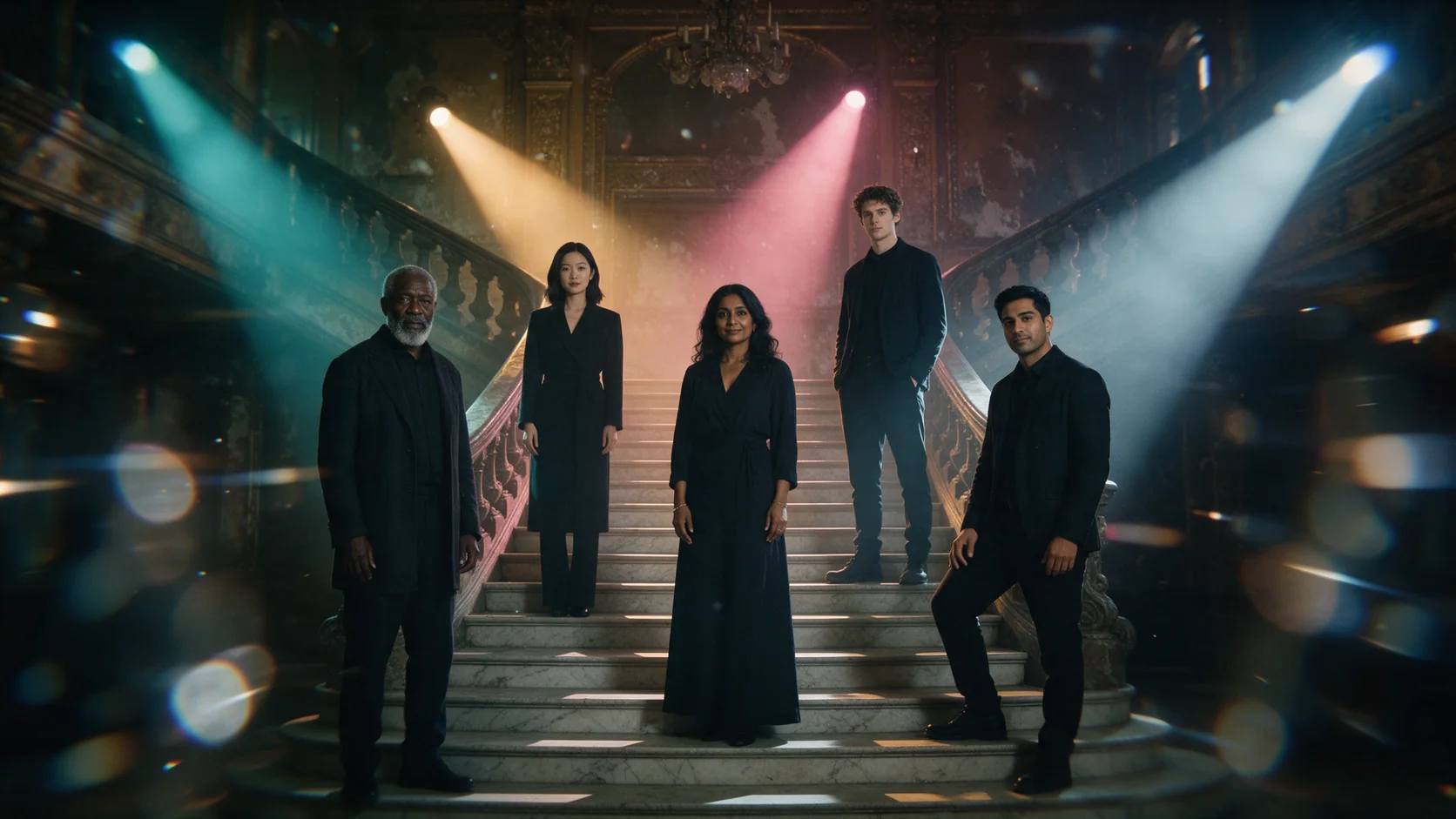
Kling O3 (Kling 3.0 Omni) image-to-video animates your opening frame into a clip of 3 to 15 seconds at up to 4K. Add an optional closing frame, native audio or multi-shot cuts; the aspect ratio follows your image.

From $0.067/s20% below the publisher's list price

Workbench

Input

Image to video
387/2500
Describe only what happens after the opening frame: the action, the camera move and, with sound on, dialogue and effects. The frame already set who and where. at least 1 characters · at most 2500 characters
1/1

Drop files or media links, paste, or browse · 1 file · Max 10 MB · JPG · PNG · WEBP · GIF

  • 1
1 / 1 files
Opening frame. JPEG or PNG. The clip starts from this image, and its people, wardrobe and setting are what carry through.
0/1

Drop files or media links, paste, or browse · 1 file · Max 10 MB · JPG · PNG · WEBP · GIF

0 / 1 files
Optional closing frame the clip should end on. Keep it close to the opening frame in light and framing - a big jump between the two can make the middle of a longer clip drift.
affects price
720p, 1080p or 4K. Higher tiers cost more per second.
Generate audioaffects price
For Kling O3, generate_audio adds native sound to generation; audio raises the per-second rate at 720p and 1080p, while the existing 4K rate is unchanged by the switch.
Durationaffects price
Whole seconds, 3 to 15. Drives the price along with resolution and audio. no lower than 3 · no higher than 15
Shot structure
Single takeMulti-shotCustom shot list
In Kling O3, single requests one shot, multi delegates shot changes to the model, and customize reads your multi_prompt timing; these choices do not change the rate.
Shot list0/6
For Kling O3 custom storyboards, set shot_type to customize and put up to 6 ordered shots in multi_prompt, with at most 512 characters per prompt; their whole-second lengths must total duration_seconds. at least 1 items · at most 6 items
Safety checkerOff

SpicyAPI does not run a safety checker on this model. Your prompt and media go to the model as written, and the model itself decides what comes back.

Checking your account before enabling submission and pricing.

Output

Ready for a new run
Example result

Missing the model you need?

VIDEO WITH SOUND, BUILT FOUR WAYS

Kling O3 API at a glance

One model, four ways in: write it, animate a frame, cast it from photos, or edit a clip you already have.

Modes in one model
4-IN-1
Text, image, reference photos or an existing video all go through the same endpoint set.
Reference photos
7
Give a person, an object and a place their own photo and it casts all three into one shot.
Top resolution
4K
Draft cheap at 720p, render the keeper in 4K.
Longest clip
15S
3 to 15 seconds for new clips; edits take a source clip of 3 to 10 seconds.
Native sound, optional
AUDIO
Dialogue, effects and ambience generated with the picture when you turn it on.
Auto multi-shot
MULTI
Ask for several shots in one prompt and it cuts between them on its own.

Results

What you can make with Kling O3

  • From text

    A three-shot scene from one paragraph

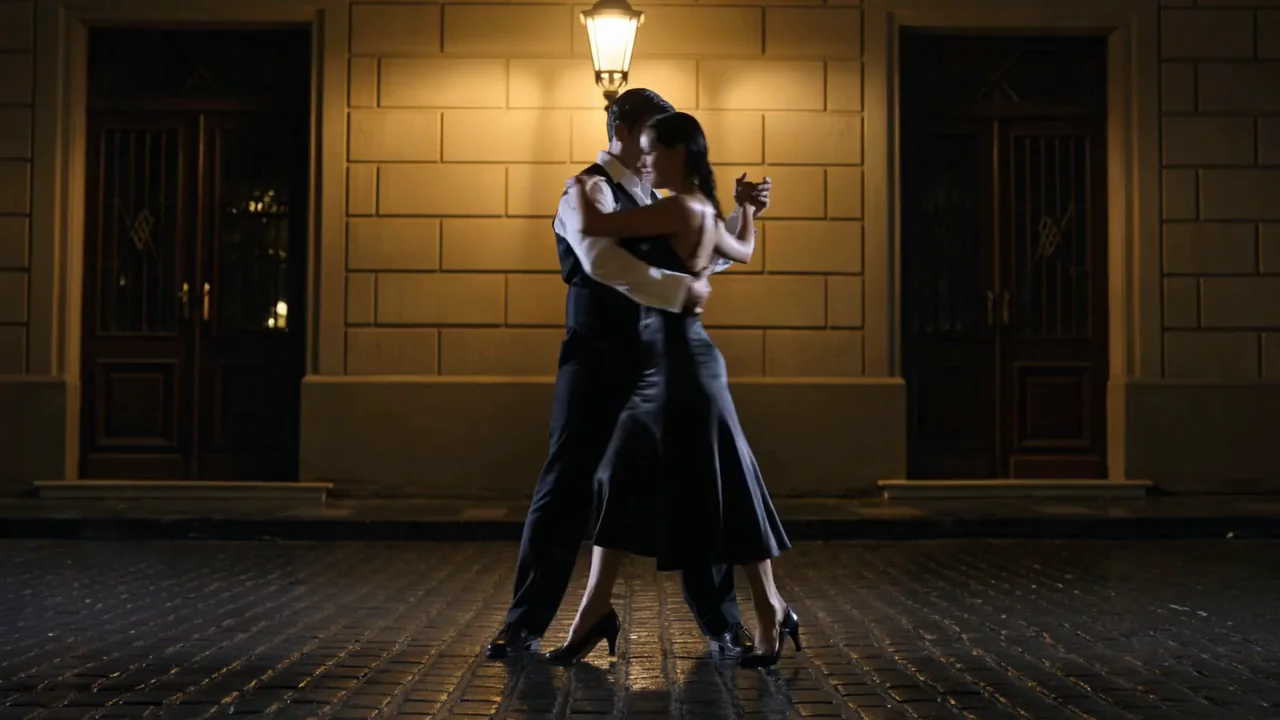
    Write the shots in order and turn shot_type to multi: Kling O3 cuts between them on its own, keeping the setting and the people consistent from one shot to the next. This rain-soaked tango was one prompt describing a wide shot, a close-up and a low angle - nothing else.

    Text-to-video, multi-shot, 1080p with sound: one prompt describing a wide shot, a close-up and a low angle came back as three cut shots.

  • From an image

    Your opening frame, carried forward

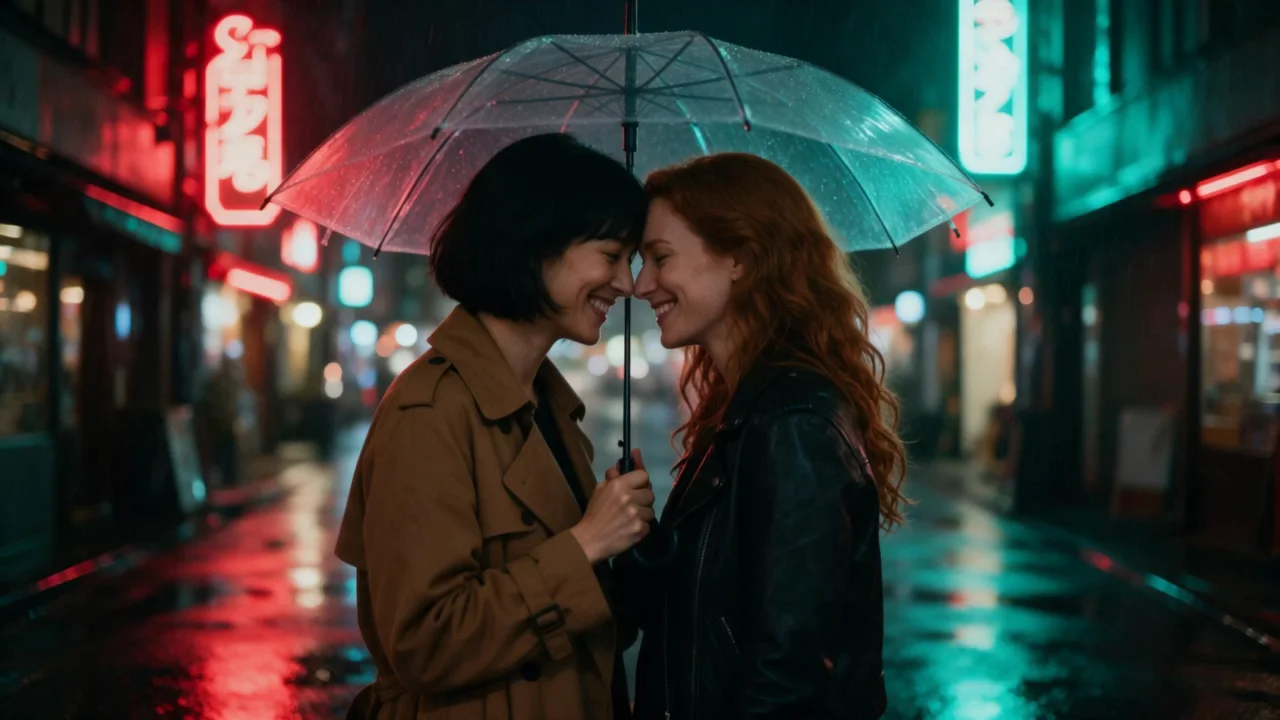
    Upload the frame you have already approved and describe only what happens next. Here the opening frame was two women sharing an umbrella; the prompt only added the heavier rain, the laugh and the walk into the neon street.

    Image-to-video, 720p with sound: the opening frame set the scene, the prompt only added the heavier rain and the walk into the street.

  • From reference photos

    Cast a person, an object and a place from three photos

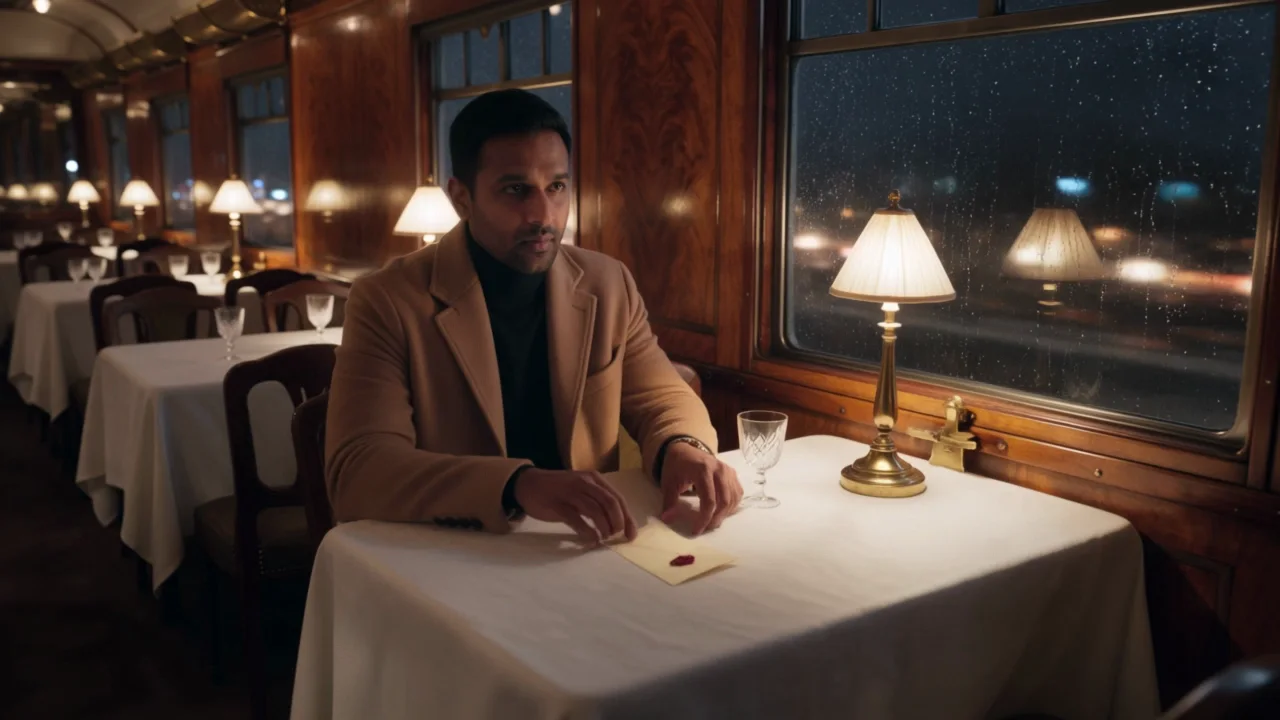
    Hand it up to seven images and give each one a job in the prompt: <<<image_1>>> is the man, <<<image_2>>> is the room, <<<image_3>>> is the letter he opens. All three carried through into a shot none of the source photos showed.

    Reference-to-video, 720p with sound: the man, the dining car and the letter each came from a separate reference photo.

  • Edit a video you have

    Change the season, keep everything else

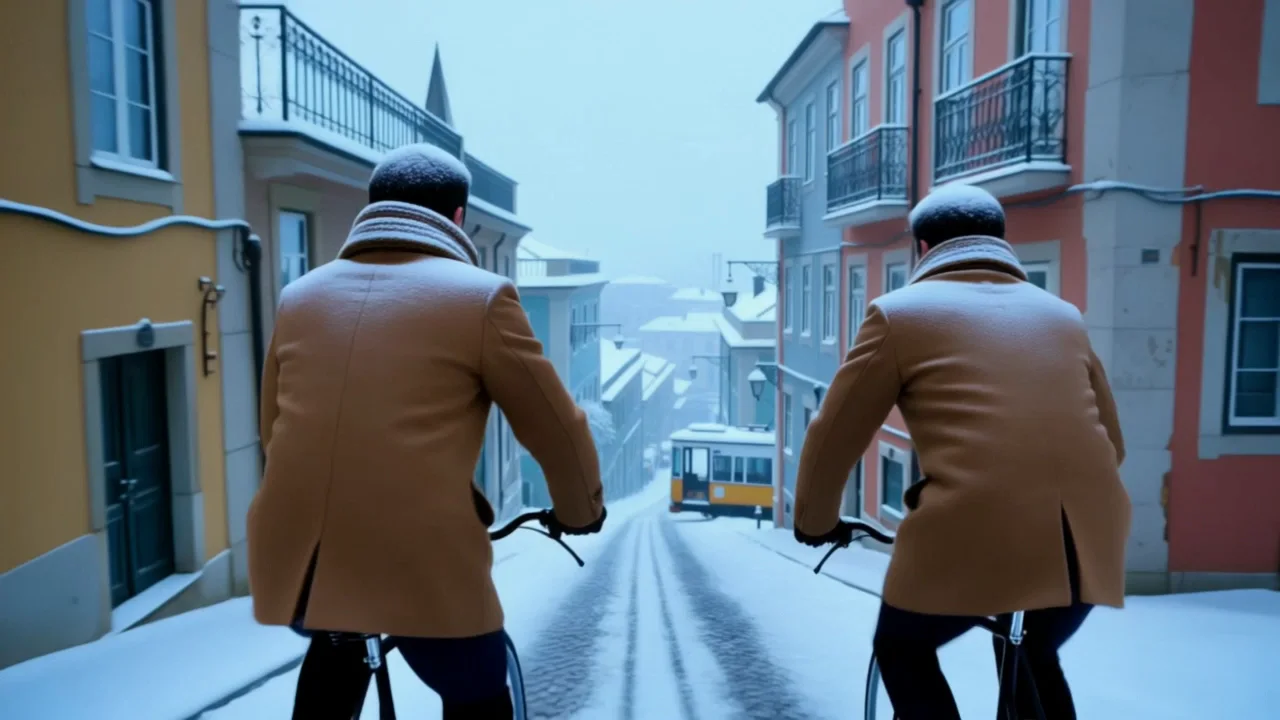
    Video-edit takes a finished clip and a prompt that names only what should change. Here the source was two men cycling downhill in Lisbon, laughing over their shoulders; the edit added snow to the street, rooftops and tram, and put both riders in wool coats, while the camera move, the ride and the laugh carried over untouched.

    Video-edit, 720p: the source clip was the same street and the same ride in morning sun - the edit added the snow and the coats and kept the rest.

  • With sound

    Dialogue arrives in the same file as the picture

    Turn on generate_audio and spoken lines, room tone and ambience are generated alongside the video. The two lines of dialogue in this clip came back exactly as written, timed to the picture.

    Text-to-video, 720p with sound: both lines of dialogue came back exactly as written.

Content test

Is Kling O3 uncensored? What we tested

Content levels tested on Kling O3, by mode
LevelVideo editingImage to videoReference to videoText to video
Mild
Not tested yet
Not tested yet
Not tested yet
Not tested yet
Moderate
RefusedTested Sep 28, 2026
Strong
RefusedTested Sep 28, 2026
Not tested yet
Not tested yet
Not tested yet
Very strong
Not tested yet
Not tested yet
Not tested yet
Not tested yet
Maximum
Not tested yet
Not tested yet
Not tested yet
Not tested yet
How we test

How each mode behaves

Text to video
shot_type: single is not a hard guarantee of one continuous take - Kling O3 occasionally cuts anyway. Add "one continuous shot, no cuts" to the prompt when a single unbroken take matters.
Image to video
The opening frame is followed closely and an optional last_image_url pins the ending, but the middle of a long clip can wander. Keep the two frames close in light and framing for the cleanest result.
Reference to video
Each reference photo is only as useful as the job you give it in the prompt. Three or four references with one clear job each hold up better than seven overlapping shots of the same subject.
Video editing
Video-edit keeps the source clip's own sound by default (keep_original_audio); switch it off for a silent result. It does not generate new sound, and the switch does not change the price. The result runs exactly as long as your source clip, from 3 to 10 seconds, and the source needs to be at least about 720 pixels on its shortest side. When an edit adds a new wardrobe item to more than one person, it can give them the same style and color instead of distinct ones unless the prompt says otherwise.
All modes
Kling O3 applies content checks to reference-based generation and video editing as well as text and opening-frame requests; adult NSFW edits or generations are refused without charge. SpicyAPI adds no separate filter to Kling O3, and cannot disable Kling’s checks. MiniMax H3 Spicy is a separate unrestricted choice from Kling O3, with its own input options.

Use cases

What to build with the Kling O3 API

  • A multi-shot scene without filming multiple takes

    Write a wide shot, a close-up and a low angle in one prompt and let shot_type: multi cut between them. It is the fastest way to get coverage of a scene out of a single request.

  • A repeatable character from a handful of photos

    Reference-to-video takes a face, an outfit and a location as separate photos, so a character can appear in a new setting you never filmed instead of only the one frame you have of them.

  • Change the season, wardrobe or backdrop of a clip you already have

    Video-edit takes an existing video and a prompt describing only what should change. Everything you do not mention - the framing, the motion, any dialogue - carries over from the source clip.

  • Animate an approved frame with dialogue built in

    Start from an image you have already signed off on and describe the action, the camera move and, with generate_audio on, the line a character says. The frame stays put; only what you wrote moves.

Prompts

Kling O3 prompt examples you can copy

  • Text to video

    Write three shots, let multi-shot cut between them

    Result from this prompt

    A night tango on a rain-slick cobblestone street in Buenos Aires. A man in his late thirties in a dark waistcoat and a white shirt open at the collar, and a woman in her early thirties in a backless black satin dress, dance close under a single amber streetlamp. Shot 1, wide: the couple turns through the falling rain and her dress flares. Shot 2, close-up: their faces almost touching, rain running down his cheek, she smiles. Shot 3, low angle on their feet: a sharp turn, her heel flicking water off the stones. Sound: a bandoneon tango drifting from an open window, steady rain, heels clicking on wet stone, her quiet laugh.

    Why it works. Numbering the shots and describing each camera angle in order - wide, close-up, low angle - is what tells the model where one shot should end and the next begin, instead of leaving it to guess.

    Try this prompt
  • Text to video

    Name the exact camera position to keep two faces in frame

    Result from this prompt

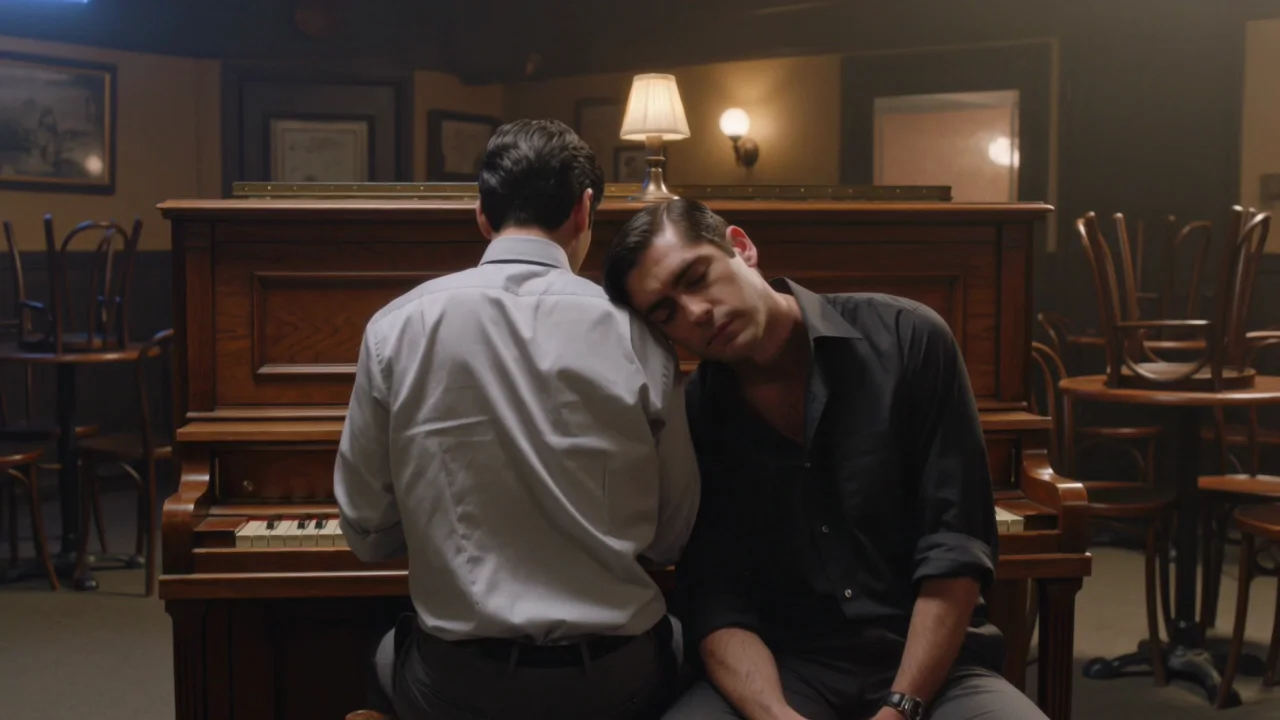
    A small jazz bar after closing, chairs upturned on the tables, one warm lamp over an old upright piano. Seen from the end of the keyboard so both faces are clear: two men in their thirties, a couple, sit close together on the piano bench. One, in a loosened tie with his sleeves rolled up, plays a slow chord; the other, in an open-collar black shirt, rests his head on the pianist's shoulder with his eyes half closed. The pianist stops, turns to him and says softly, "One more song?" The other smiles without lifting his head: "Only if it's ours." One continuous slow push-in, 35mm, warm tungsten light. Sound: soft piano chords, their low voices, the hum of the empty room.

    Instead of “Two men on a piano bench, one playing, the other leaning on his shoulder.”

    Why it works. "Seen from the end of the keyboard" is a real camera instruction; without it the model can pick an angle where the second person is mostly hidden behind the first.

    Try this prompt
  • Image to video

    Describe only what happens after the frame

    Result from this prompt

    The rain gets heavier. The woman in the camel trench coat tilts the umbrella back and laughs; the other woman pulls her closer by the collar and they walk off together down the neon street, the camera following at their shoulders. Sound: heavy rain drumming on the clear umbrella, distant traffic, footsteps splashing, and one of them says, "Come on, we're going to miss the last train."

    Why it works. The opening frame already set the two women, the umbrella and the neon street, so the prompt only has to say what happens next - the heavier rain, the laugh, the walk away.

    Try this prompt
  • Reference to video

    Give each reference photo one job

    Result from this prompt

    Image 1 is the man, Image 2 is the dining carriage, Image 3 is the sealed letter. The man from Image 1, still in his camel overcoat, sits alone at a table in the train carriage from Image 2 at night. He breaks the red wax seal of the letter from Image 3, unfolds it and reads, and a slow smile spreads across his face while city lights streak past the rainy window. Slow push-in. Sound: the rhythmic clatter of the train, rain on the glass, paper unfolding, a soft exhale.

    Why it works. Naming what each numbered image is responsible for - the man, the carriage, the letter - is why all three carried through together instead of the model blending them into something new.

    Try this prompt
  • Video editing

    Change one thing, leave the rest as it is

    Result from this prompt

    Turn the season to deep winter: fresh snow on the cobblestones, the balconies, the rooftops and the yellow tram, snowflakes drifting through the air and cold blue morning light. Dress both riders in wool coats and knitted scarves. Keep the street, the bicycles, the riders' movement and the camera move exactly as they are.

    Why it works. Video-edit only changes what you name - here, the season and the wardrobe - and holds the framing, motion and pacing of the source clip as they are.

    Try this prompt

Compare

Kling O3 vs similar models: which one to pick

ModelModesFromContentPick it when
Kling O3This pageImage to video · Reference to video · Text to video · Video editing$0.067 / output secondFiltered — This model refuses requests beyond its own limits outright. Measured, not assumed — models we have not measured carry no label at all.You want reference photos, an edit of a video you already have, or the widest range of modes in one endpoint set.
Kling 3.0Character animation · Image to video · Text to video$0.067 / output secondFiltered — This model refuses requests beyond its own limits outright. Measured, not assumed — models we have not measured carry no label at all.You want a single flagship shot with a first and last frame, or Motion Control to transfer a performance onto your character.
Kling 3.0 TurboImage to video · Text to video$0.112 / output secondFiltered — This model refuses requests beyond its own limits outright. Measured, not assumed — models we have not measured carry no label at all.You want a generated soundtrack on a text or opening-image shot and can work without reference photos or a video-edit task.
Kling 2.6Character animation · Image to video · Text to video$0.069 / output secondFiltered — This model refuses requests beyond its own limits outright. Measured, not assumed — models we have not measured carry no label at all.You need a silent 1080p scene from text or an opening image, or want to animate a character from a driving video without reference-photo composition.

Pricing

Kling O3 API pricing

A 5-second clip starts at $0.336 at 720p and $1.68 at 4K.

Get started

How to use the Kling O3 API in three steps

  1. Step 1

    Try it in the playground

    Try Kling O3 with the starting material shown above and inspect the quote for that exact configuration before you submit.

  2. Step 2

    Get an API key

    Create an API key for Kling O3 in the console and fund the account for the selected video settings; access is billed by use rather than a subscription.

  3. Step 3

    Send the same request from your code

    Use the API tab’s Kling O3 request as your integration starting point, then store the returned task ID so the application can fetch or receive the finished clip.

Parameter reference and code samples are in the API and Readme tabs at the top of this page.

FAQ

Kling O3 API FAQ

About Kling O3

Kling O3 API, also called Kling 3.0 Omni, uses named references and shot lists to build scenes, alongside text, opening-frame and video-edit modes; editing stays at 720p or 1080p. Kling O3 runs as an asynchronous task billed in US dollars per second of output; check the selected settings before submission, and retrieve the result by task ID or webhook. Kling O3 applies content checks to reference-based generation and video editing as well as text and opening-frame requests; adult NSFW edits or generations are refused without charge. SpicyAPI adds no separate filter to Kling O3, and cannot disable Kling’s checks. MiniMax H3 Spicy is a separate unrestricted choice from Kling O3, with its own input options. Before submitting to Kling O3, obtain the rights and consent for the source material and take responsibility for the resulting video.

Related models and next tasks